
Reviewed · WASHINGTON DC NEIGHBORHOOD WALKING TOURS
Off the Beaten Path: 16th Street and Adams Morgan Neighborhood Tour
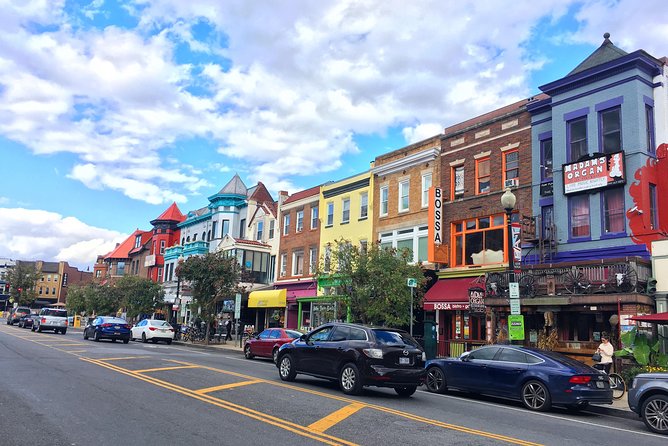
The most interesting part of this Washington, DC tour is what it leaves out: the usual Mall circuit. You begin at Meridian Hill Park, then walk through Columbia Heights and Adams Morgan, two neighborhoods where architecture, politics, immigration, art, and everyday city life meet.
I like the personal storytelling and the focus on details you would likely miss alone. I also like that the walk works for locals as well as first-time visitors. Guides Kim and Carolyn have made strong impressions with their stories, architectural observations, and restaurant tips. The main drawback is simple: two hours is a short time for three neighborhoods, and you should expect a steady walk with little time for lingering.
Key points
- Meridian Hill Park starts the story: Learn about the park, its memorials, winding paths, and Mary Henderson’s grand plans for the area.
- Columbia Heights adds architectural detail: Look closely at building fronts and hear how some structures served different purposes over time.
- Adams Morgan supplies the personality: The route explores the neighborhood’s political character, diversity, quirks, and local identity.
- Guides make the difference: Kim and Carolyn are named guides associated with especially strong storytelling and personal attention.
- The tour suits repeat visitors: It offers a useful change from the National Mall and can give long-time residents a new view of their own city.
- Plan for a two-hour walk: The group can reach 20 people, the starting point is near public transportation, and the tour ends in central Adams Morgan.
Why this neighborhood walk is worth your time

Washington is often reduced to monuments, museums, and formal government buildings. Those places matter, but they do not explain how the city feels away from the Mall. This tour takes you into streets where grand plans meet ordinary apartment blocks, old facades, local businesses, and neighborhoods shaped by many communities.
I especially like the way the tour connects design with people. Instead of treating buildings as pretty backdrops, the guide explains why they look the way they do and how their roles changed. A facade may tell you about wealth, ambition, politics, or a building’s earlier use.
That approach also makes the tour useful if you already know Washington. Several people who live in the city, including residents of 16th Street, found plenty to learn. You do not need to arrive with a strong interest in architecture or city planning, but curiosity helps.
The price is $48 per person. For two hours with a local guide and a maximum group size of 20, that is a fair rate if you value context and conversation rather than simply covering ground. It is less useful if you want a long list of famous sights or a photo stop at every corner.
More neighborhood walking tours in Washington DC:
- Delicious Donuts of Downtown DC: A Sweet City Experience
★ 5.0 · 512 reviews - Georgetown Foodie Culinary Tour & Neighborhood Walk
★ 5.0 · 437 reviews - Dupont Circle and Embassy Row Architectural Walking Tour
★ 5.0 · 117 reviews
Meridian Hill Park and Mary Henderson’s ambitious vision
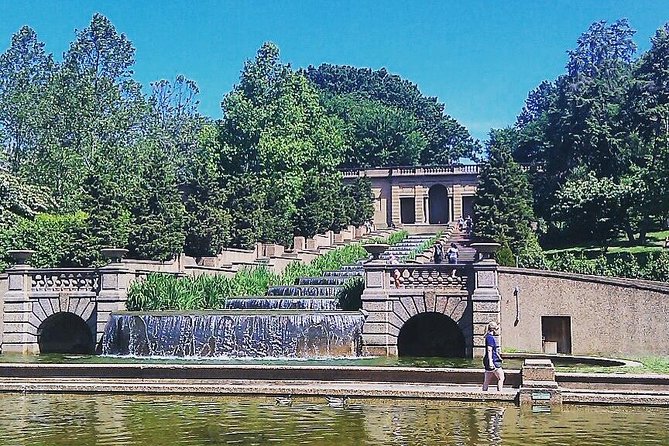
The walk begins at 1600 Florida Avenue Northwest in Meridian Hill Park. Admission to the park is free, and the opening 25 minutes focus on its paths, small memorials, and larger ideas.
This is a smart starting point. The park is not just a patch of green before the real tour begins. It gives the guide a place to explain how one person imagined a grand district in the heights of Washington. Mary Henderson’s plans included a diplomatic setting with embassies and mansions, and her influence helps explain the streets you will see later.
You should expect to use both the main areas and less obvious paths. The guide points out details that are easy to pass without thought, then places them in the larger story of Washington’s growth. The tour also touches on why Washington became the capital in 1790, giving the neighborhood walk a useful national context.
The park portion has a relaxed feel, but it is not a long rest stop. You will be walking and listening, so wear shoes that can handle uneven paths and city sidewalks. If you want extensive free time for photographs, this opening section may feel brisk.
Columbia Heights through facades and changing uses
From the park, the route moves through Columbia Heights. The available details do not provide a fixed list of every building or corner, and that is actually useful to know before booking. The experience is built around the guide’s interpretation of the streets, not a rigid checklist of named attractions.
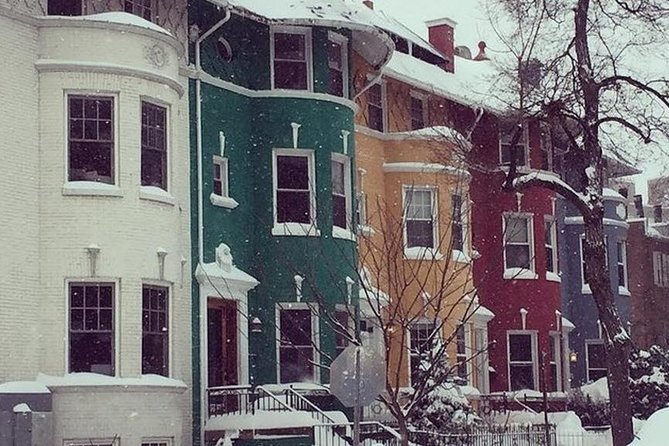
Expect close attention to building fronts and architectural styles. Guides explain how several structures took on different roles over the years. That kind of detail changes the way you walk. Instead of seeing a row of buildings as one block, you begin to notice entrances, materials, proportions, and signs of changing ownership or purpose.
This is also where the tour’s personal style matters. Carolyn, one of the guides, is described as a gifted storyteller who connects architecture with the people and events behind it. Kim is also praised for keeping the walk engaging and clear. The point is not to memorize dates. It is to understand how a neighborhood accumulates layers.
Columbia Heights can be a good fit for anyone who has already seen the city’s major memorials. You get a more ordinary view of Washington, but ordinary does not mean dull. The interest comes from seeing how a planned capital developed into lived-in districts with their own tone.
Adams Morgan and the city’s local character
The route ends in Adams Morgan, near the intersection of 18th Street and Kalorama Street Northwest. This is the part of the tour where the neighborhood’s personality comes forward most strongly.
Adams Morgan is presented through its political leanings, diversity, architecture, and quirks. The guide does not treat it as a generic entertainment district. Instead, you hear how its identity formed and why it feels different from more formal parts of Washington.
That balance is important. You get facts, but you also get a sense of place. A good guide can explain the structure of a neighborhood while pointing out the odd, memorable details that make it feel human. This tour seems designed for exactly that kind of connection.
The ending is practical. You finish in the heart of Adams Morgan, rather than being returned to the starting point. That makes it easy to continue exploring on your own, stop for a meal, or use the neighborhood as the next part of your day. Restaurant recommendations are part of the guide’s local advice, though the tour price does not include food or drinks.
A completely different kind of day in Washington DC:
- DC Memorials Night Tour: Glass-Roof Convertible Upgrade Option
★ 4.5 · 6,933 reviews - National Mall Monuments Night Tour with 10+ Stops, Entry Tickets
★ 4.5 · 4,863 reviews - Washington DC Monuments by Moonlight Tour by Trolley
★ 4.5 · 3,956 reviews - Hop-on Hop-off Sightseeing Tour by Open-top Bus with 18 Stops
★ 3.5 · 3,848 reviews
What the guides add to the experience
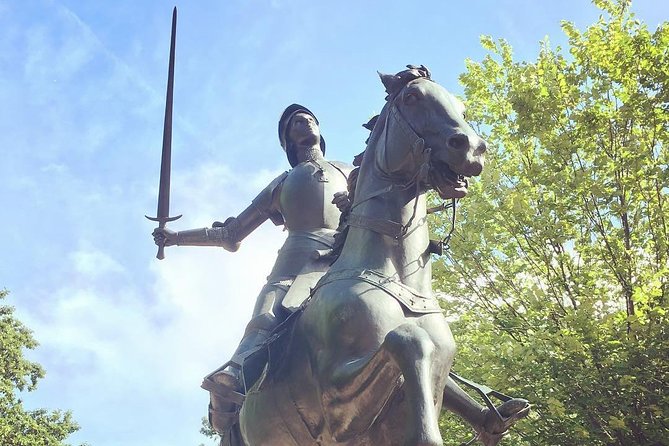
The strongest reason to choose this walk is the guide. DC Design Tours uses guides with backgrounds in history or architecture, and Kim and Carolyn are the names most closely tied to this route.
Kim is praised for being personable and for holding attention through the full two hours. Carolyn is described as friendly, prompt, and especially good at turning neighborhood details into stories. Those qualities matter on a walking tour. Information alone can be read online, but a guide helps you connect separate facts into one understandable account.
The tour also seems to work well for mixed groups. Families, couples, local residents, and people visiting from abroad have all found reasons to enjoy this kind of walk. One repeat customer took several DC Design Tours, including routes through Cleveland Park, Southwest, Dupont Circle and Embassy Row, U Street, and the National Mall. That suggests this experience can work as part of a larger series if you want to understand Washington district by district.
Still, guide-led tours are personal experiences. The exact storytelling style may vary depending on who leads your walk. The named guides give you a useful sense of the standard to expect, but the company does not promise a specific guide in the information provided.
Architecture, politics, and daily life in one walk
This tour is most valuable when you want connections rather than isolated facts. You might hear about an old building, then learn how its use changed. You might look at a mansion or embassy and consider the person who helped shape the district around it. In Adams Morgan, political and cultural identity becomes part of the physical streets.
The route also provides a more balanced picture of Washington. The capital can feel formal and carefully arranged, but these neighborhoods show ambition, disagreement, change, and diversity. You get a sense of how national history affects local streets without spending the whole walk inside official monuments.
I would choose this tour for a first or second day in Washington if you want to see another side of the city early in your visit. It can help you understand where to return later, especially if you want to eat in Adams Morgan or explore Columbia Heights on your own.
I would not choose it as your only Washington tour. It does not replace the National Mall, the major museums, or a full tour of the capital’s best-known monuments. Think of it as a neighborhood companion to those experiences.
The pace, group size, and practical details
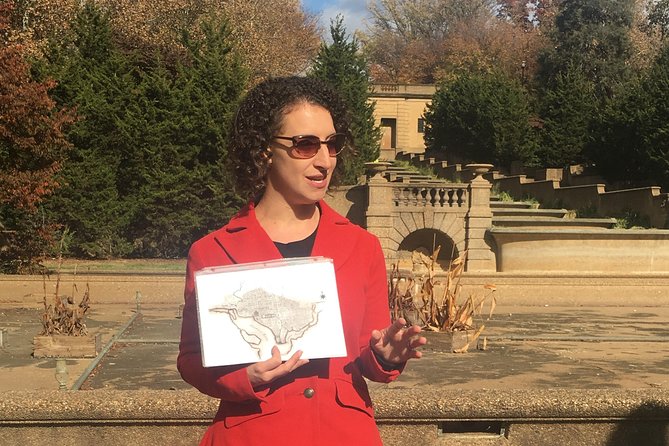
The tour lasts about two hours and accepts a maximum of 20 people. That is small enough for a guide to speak directly to the group, though it is not an intimate private walk. If you prefer a more personal experience, private tours may be available through the same company, but that is not included in the standard $48 price.
The tour is offered in English and includes a mobile ticket and a local guide. The start is near public transportation at 1600 Florida Avenue Northwest. The end is in Adams Morgan, near 18th Street and Kalorama Street Northwest, so plan your route based on where you want to go afterward.
A moderate level of physical fitness is recommended. You will be on foot through a park and city neighborhoods, and the route is not designed as a seated sightseeing experience. Service animals are allowed.
The tour is often booked about 73 days in advance. That is a useful warning if your dates are fixed, especially because the maximum group size is 20 and minimum numbers apply. Confirmation arrives at booking, but the company can cancel if too few people sign up. In that case, you receive an alternative or a full refund.
You can cancel for a full refund up to 24 hours before the start time. Changes or cancellations inside that 24-hour window are not accepted for a refund. The cut-off follows local Washington time.
How the $48 price compares with the experience
At $48, this is not a bargain-priced orientation walk, but the value is reasonable if your priority is interpretation. You are paying for a guide who can explain architecture, tell local stories, answer questions, and help you see meaning in places that may not appear in a standard sightseeing plan.
The price works best for people who enjoy walking slowly enough to look carefully. If you measure value by the number of sights covered, you may prefer a larger city tour. This route takes time to explain a smaller area, and that means fewer headline attractions.
I also see value for Washington residents. A local may not need basic directions or a list of famous sites, but the city’s neighborhood stories are easy to miss. The tour can be a pleasant way to spend a Sunday afternoon and learn something new without leaving town.
The free cancellation policy up to 24 hours before departure reduces the risk of booking early. Since the tour may sell out or depend on minimum attendance, early booking makes sense for a planned trip.
Who should book this Washington walking tour?
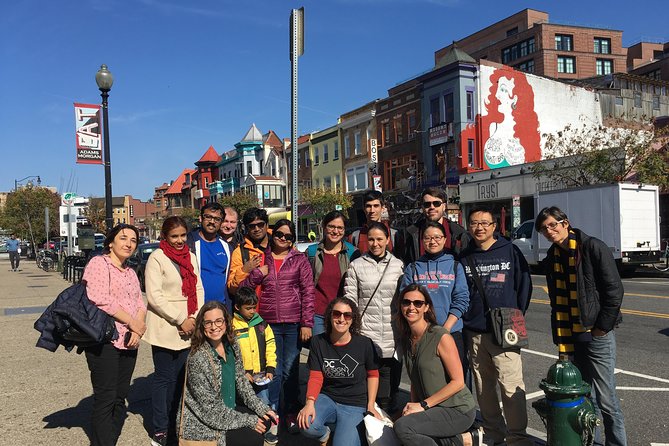
Book it if you want:
- A break from the National Mall and the city’s best-known monuments
- Architecture explained in plain language
- Stories about Mary Henderson, embassies, mansions, and changing buildings
- A guided introduction to Columbia Heights and Adams Morgan
- A walk that works for both first-time visitors and long-time residents
- Local suggestions for continuing your time in Adams Morgan
Think twice if you have limited mobility, dislike walking, or want a tour with a detailed stop-by-stop schedule. The route requires moderate fitness, and the information provided does not list an indoor alternative or a detailed set of later stops.
My take: book it for a more human Washington
I would book this tour if I had already seen the main monuments or wanted to understand Washington beyond its official face. The combination of Meridian Hill Park, Columbia Heights, and Adams Morgan offers a useful change of pace, while guides such as Kim and Carolyn bring the architecture and local stories into focus.
The strongest feature is the way the walk links buildings, planners, politics, and neighborhood life. The main limitation is its short two-hour length and the fact that the route ends away from its starting point. Wear good shoes, leave room in your day for Adams Morgan, and book ahead if you are visiting on fixed dates.
For a first-time visit, it is a strong add-on. For a Washington resident, it may be the better reason to go.
FAQ
How long is the 16th Street and Adams Morgan tour?
The tour lasts approximately two hours.
Where does the tour begin?
It begins at 1600 Florida Avenue Northwest, Washington, DC 20009, in Meridian Hill Park.
Where does the tour end?
The walk ends in Adams Morgan near the intersection of 18th Street and Kalorama Street Northwest.
What neighborhoods does the tour visit?
The route explores Meridian Hill Park, Columbia Heights, and Adams Morgan.
Is the tour offered in English?
Yes. The tour is offered in English and includes a local guide.
What happens if the tour is canceled because there are not enough people?
You will be offered an alternative date or experience, or you will receive a full refund.
Just added in Washington DC
- Washington, DC: Georgetown Architecture Walking Tour★ 5.0 · 8 reviews
- Washington D.C.: Georgetown Guided Secret Food Tour★ 3.9 · 7 reviews
- Washington DC: Express Morning or Night-Time Monuments Tour★ 3.2 · 3 reviews
- Washington DC: E-Bike Rental★ 4.3 · 7 reviews
- Washington DC: Christmas Eve Gourmet Brunch or Dinner Cruise★ 4.2 · 6 reviews
- Washington DC Day Tour – Private Tour★ 4.1 · 3 reviews
- Washington DC: After Dark Night-Time Sightseeing Tour★ 3.8 · 6 reviews
- Washington DC: Best of Capitol Hill Guided Bike Tour★ 3.2 · 7 reviews
Washington DC Neighborhood Walking Tours, compared.
Delicious Donuts of Downtown DC: A Sweet City Experience
Read our review →
Georgetown Foodie Culinary Tour & Neighborhood Walk
Read our review →
Dupont Circle and Embassy Row Architectural Walking Tour
Read our review →
Local Neighborhood Washington DC Food Tour by DrinkEatWalk Tours
Read our review →
Residences of the Presidents Walking Tour: Dupont and Kalorama
Read our review →
African-American Heritage Walking Tour of U Street in DC
Read our review →

Browse the lists this tour appears in