
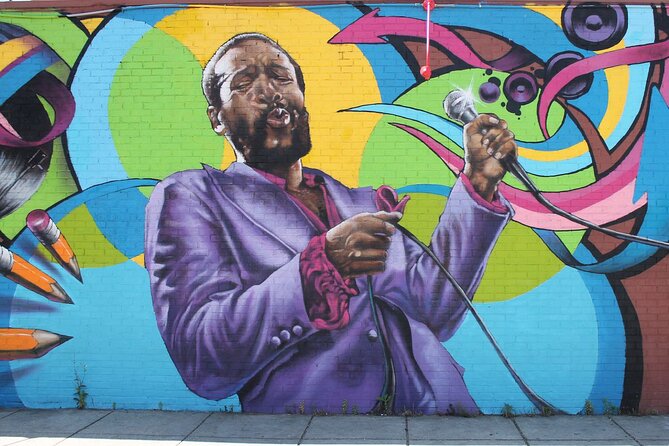
Reviewed · AFRICAN AMERICAN HISTORY MUSEUM TOURS
African-American Heritage Walking Tour of U Street in DC
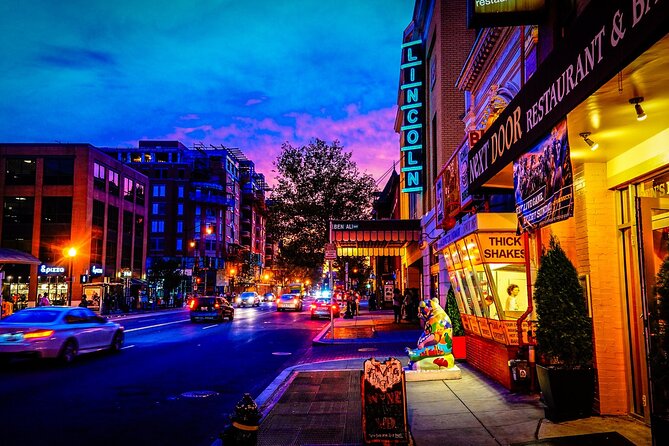
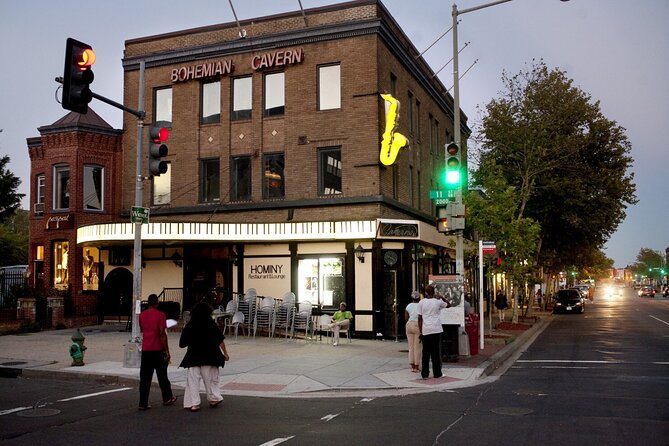
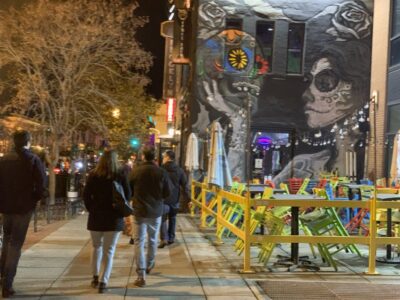
Washington’s U Street is more than a nightlife strip. It was once known as Black Broadway, a center of Black music, theater, business, and community life. This two-hour evening walk connects that story with Ben’s Chili Bowl, the African American Civil War Memorial, and the Howard Theatre.
I like the focus on local history told in the streets, where theaters, murals, memorials, and restaurants still give the neighborhood a strong sense of place. I also like the human scale: you walk, pause, ask questions, and hear the sort of neighborhood stories that a bus tour cannot provide.
The main drawback is reliability. Several bookings were canceled close to the start time, and a few people reported that no guide arrived. The tour itself has earned strong praise for guides such as Nur Ali, but I would avoid placing it on the only evening of your Washington visit.
Key points to know
- Black Broadway after dark: Begin at 5 pm and see U Street as its evening life begins.
- Ben’s Chili Bowl mural: Spend about 30 minutes at one of Washington’s best-known Black-owned landmarks.
- African American Civil War Memorial: Learn about the United States Colored Troops and the Black community’s fight for the right to serve.
- Howard Theatre: Connect Washington’s music story to performers from Louis Armstrong to Kendrick Lamar.
- Guide quality matters: Nur Ali, also referred to as Nor or Nore in some booking details, receives especially warm praise for his passion and personal approach.
- Plan for a walk: The tour lasts about two hours, has a maximum of 20 people, and includes no food, drinks, or transportation.
Why U Street tells Washington’s Black story so well
U Street gives you a useful starting point because the neighborhood brings together music, politics, food, architecture, and everyday community life. During the evening walk, your guide explains how the area earned the nickname Black Broadway and why it became such an important center for African American performers.
The neighborhood was closely tied to Washington’s jazz scene. Duke Ellington, Cab Calloway, Pearl Bailey, Sarah Vaughan, Jelly Roll Morton, and many other artists performed in theaters and clubs around the area. That list is not just a roll call of famous names. It shows how U Street helped shape American music before Black performers had equal access to venues elsewhere in the city.
I like this part of the tour because you are not simply looking at old buildings. You are learning how a neighborhood worked. The clubs and theaters provided jobs, audiences, meeting places, and a public stage for Black artists. Your guide also points out how the area has changed, giving you a look at both earlier Washington and the present-day neighborhood.
The tour begins at 1250 U Street NW at 5 pm and ends back at the meeting point. Since the walk takes place in the evening, you see U Street at a useful time rather than in the middle of a quiet afternoon. Still, the exact feel of the route can depend on the day, the guide, and what is open.
More African American history tours in Washington DC:
- Guided African American History Tour with Reserved Museum Entry
★ 4.5 · 1,180 reviews - African American History Tour with Museum of African American History Ticket
★ 4.5 · 390 reviews - Washington, DC: African American History Tour & Museum Entry
★ 4.9 · 312 reviews
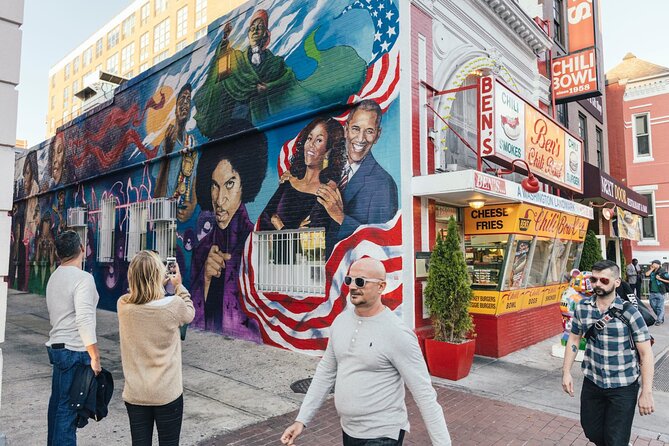
Ben’s Chili Bowl and the mural at 1213 U Street
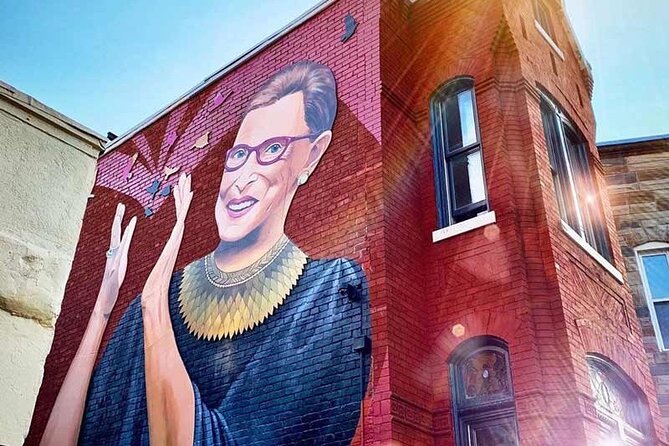
Ben’s Chili Bowl is one of the most recognizable stops on the route. The restaurant is known for its half-smoke sausage, a Washington specialty, but the tour focuses on the mural outside as much as the food inside.
The mural celebrates notable Black Americans and has changed over time. It once included figures such as Bill Cosby, Barack Obama, Donnie Simpson, and Chuck Brown. The Cosby image was later removed after allegations against him became public. For a short period in 2017, the wall carried a tribute to the Washington Wizards during the basketball playoffs. Local artist Aniekan Udofia later painted the version displayed today.
That changing artwork gives your guide a chance to discuss how public memory shifts. A mural is not frozen history. It reflects whom a community honors, whom it questions, and how current events can alter the way a familiar place is seen.
You have about 30 minutes here, which should give you enough time to hear the story without rushing past it. Food is not included, so you should not assume that a half-smoke or chili fries form part of the ticket. You can ask your guide about ordering or return later on your own, but the tour price covers the guide rather than a meal.
One practical point: Ben’s Chili Bowl can be busy, and the group may spend more time outside than inside. If eating there is important to you, allow extra time before or after the walk rather than counting on a sit-down meal during the scheduled route.
The African American Civil War Memorial and the cost of service
The African American Civil War Memorial is one of the most serious stops. It honors Black soldiers who fought for the Union and is paired with a museum devoted to their service.
When the Confederate states refused to return to the Union, President Abraham Lincoln issued the Emancipation Proclamation and allowed Black men to serve in Union military units. More than 200,000 Black Americans served in the 175 regiments of the United States Colored Troops, or USCT. Their service made up about one-tenth of the Union forces.
The memorial also helps explain the difficult conditions these soldiers faced. They fought Confederate troops who often treated them with particular cruelty, while also dealing with discrimination within the Union military. About 180,000 Black soldiers served, including roughly 98,500 formerly enslaved men.
Names of the soldiers, along with the names of white officers, appear on the Wall of Honor. That detail makes the memorial personal. Instead of treating the Civil War as only a story of generals and battlefields, the stop directs your attention to the individual people who served.
The museum and memorial receive about 30 minutes on the route. Admission is listed as free, but the amount of interior access can depend on opening conditions. One complaint about a shortened outing involved attractions not being open, so you should understand that a two-hour booking does not guarantee lengthy indoor time at every location.
This part is especially worthwhile if you want your Washington visit to include Black military history, not only music and civil rights. The tour also brings out the role of Black Washingtonians in pressing the government to change its policy on military service.
Howard Theatre, from open-mic contests to major stars
The Howard Theatre adds music and performance to the route. Founded in 1910 in the Shaw neighborhood near Howard University, it was created as a place where Black men and women could enjoy entertainment when other Washington venues excluded them.
The theater became known for major performers, including Louis Armstrong and, in later years, Kendrick Lamar. But its early local role matters just as much. Before national fame, the Howard Theatre hosted amateur events and battle-of-the-band contests. It gave musicians a place to test new ideas, build an audience, and take part in a shared cultural life.
Your guide can use this stop to connect local entertainment with broader changes in Black American music. The theater came before the Chicago jazz era and the Harlem Renaissance reached their full national influence, placing Washington at an important point in the development of Black performance culture.
The listed stop lasts about 30 minutes. You will likely spend part of that time outside, hearing about the building and the performers associated with it. The tour does not promise a show or backstage entry, so think of this as a historical stop rather than a concert visit.
Some versions of the experience have also included a walk around Howard University’s campus. That detail has been a highlight for people who enjoyed seeing the yard and learning more about the university. The supplied route specifically names Howard Theatre, however, so you should not book expecting a campus tour unless the operator confirms that it is included on your date.
More neighborhood walking tours in Washington DC:
- Delicious Donuts of Downtown DC: A Sweet City Experience
★ 5.0 · 512 reviews - Georgetown Foodie Culinary Tour & Neighborhood Walk
★ 5.0 · 437 reviews - Dupont Circle and Embassy Row Architectural Walking Tour
★ 5.0 · 117 reviews - Local Neighborhood Washington DC Food Tour by DrinkEatWalk Tours
★ 5.0 · 51 reviews
What makes the guides important
This is a guide-led history walk, and the guide makes a major difference. The strongest reports describe Nur Ali as warm, passionate, and well informed about Washington’s urban core and Black communities. He is praised for explaining the past and present together, rather than treating the neighborhood like a museum display.
One appealing feature is the relaxed style. You can ask questions while walking, and the conversation may feel more personal than a tightly scripted tour. Some outings have included extra neighborhood detail and time around Howard University, depending on the route and the day.
The maximum group size is 20. That is not a private tour, but it is small enough for questions to be possible when the group is functioning well. A larger group can make street-side explanations harder to hear, particularly near traffic or nightlife.
Guide names appear in several forms, including Nur, Noor, Nor, and Nore. Nur Ali is the clearest full name connected with the strongest praise. Since staffing can change, do not assume that he will lead every departure.
Is $90 a fair price for two hours?
At $90 per person, this is not a bargain-priced neighborhood stroll. The fee pays for a licensed guide, and the value depends heavily on how much context and personal explanation you receive.
I would consider the price reasonable if you want a focused introduction to Black Washington and prefer asking questions as you walk. You are paying for interpretation, not admission tickets, transport, or food. The main stops are listed with free admission, so the guide’s storytelling is the central product.
The price is harder to justify if you mainly want to see the mural, take photographs outside the Howard Theatre, and walk past the memorial. You could visit several of these places independently at little or no admission cost. In that case, the tour earns its keep only if the guide adds the connections and local detail you would miss on your own.
The average booking lead time is about 22 days, which suggests that you should not wait until the last minute if this is important to your schedule. At the same time, the record of late cancellations makes advance planning a little awkward. I would reserve it early, then keep a backup plan for the evening.
Timing, walking effort, and what to bring
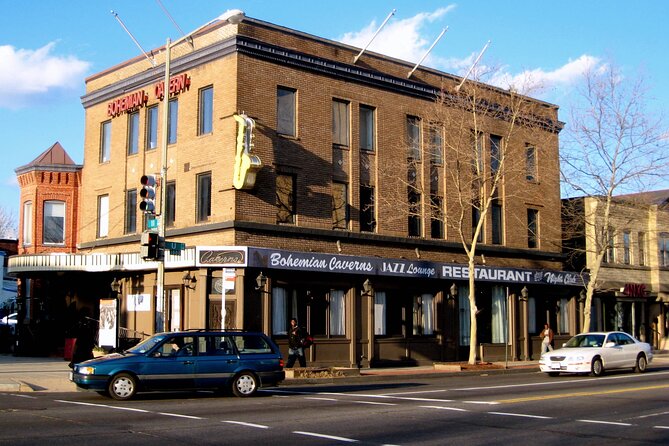
The walk starts at 5 pm and lasts about two hours. A moderate level of physical fitness is recommended. The information provided does not give a precise distance, so wear comfortable shoes and expect to spend most of the time on your feet.
The meeting point is near public transportation, which makes it easier to reach without arranging a car. Transportation is not included, and the tour ends back at the starting point. Food and drinks are also separate, so plan a meal before or after the walk.
Bring water, especially in warm weather, and dress for the forecast. The experience requires good weather and may be moved or refunded if rain or other poor conditions lead to cancellation. Since this is an evening outing, you may want a light layer even if the afternoon is warm.
The activity accepts mobile tickets and is offered in English. It is capped at 20 people, though the actual group may be smaller if the minimum number is not met.
The cancellation concern you should take seriously
The published rating is 3.8 from 20 ratings, with a clear split between strong praise for the guides and serious complaints about operations. Several people reported that the tour was canceled only a few hours before departure. Others said the guide did not arrive or that they could not reach the operator.
That does not erase the many positive accounts of engaging, personal walks led by guides such as Nur Ali. It does mean you should not schedule this as the one unmissable event of your Washington trip.
You can cancel for a full refund up to 24 hours before the start time. Cancellations or changes within 24 hours are not refunded. If the operator cancels because of weather or because too few people book, you should be offered another date, another experience, or a full refund.
I would keep your booking confirmation and check the meeting details before setting out. If you have an important dinner, train, or flight afterward, leave a generous margin.
Who should book this U Street walking tour?
I would recommend it to you if you want a compact introduction to Black Washington, especially its music venues, military history, and neighborhood institutions. It suits first-time visitors who want a local guide to explain how the stops connect.
It is also a good fit for solo visitors and couples who prefer conversation over a large coach tour. Families with older children may find the mix of food, music, war history, and public art more engaging than a formal museum-only outing.
I would hesitate if you need guaranteed indoor access, exact timing, or dependable last-minute communication. It is also not the right choice if you want a food tour, since no food is included and Ben’s Chili Bowl is treated as a historical stop.
Should you book it?
Book this tour if Black Washington’s story is a priority and you value a guide who can connect U Street’s clubs, memorials, murals, and theaters. The strongest experiences come from the commentary, particularly when Nur Ali leads the walk and adds neighborhood context beyond the main stops.
Skip it if you have only one evening, cannot tolerate a possible late cancellation, or would rather explore the sites independently. If you do book, reserve at least 24 hours ahead, wear walking shoes, bring a backup plan, and contact the operator if the meeting details are unclear.
FAQ
How long is the African American Heritage Walking Tour of U Street?
The tour lasts approximately two hours.
What time does the tour start?
The scheduled start time is 5 pm.
Where does the tour begin?
It begins at 1250 U Street NW, Washington, DC 20009.
Where does the tour end?
The activity ends back at the meeting point.
What places are included?
The route includes U Street, the Ben’s Chili Bowl mural, the African American Civil War Memorial and Museum, and the Howard Theatre.
Is food included in the $90 price?
No. Food and drinks are not included.
Is transportation included?
No. You are responsible for transportation to and from the meeting point.
How large is the group?
The activity has a maximum of 20 people.
What happens if the tour is canceled?
If poor weather or an insufficient number of bookings causes a cancellation, you should be offered a different date or experience, or a full refund. You can also cancel up to 24 hours before the start time for a full refund.
More Walking Tours in Washington DC
- Arlington National Cemetery Walking Tour & Changing of the Guards
★ 5.0 · 2,566 reviews - Ghosts of Georgetown & The Exorcist Steps Walking Tour
★ 5.0 · 610 reviews - Gastronomic Georgetown Walking Food Tour
★ 4.5 · 373 reviews - Ghosts of D.C. – Walking Tour
★ 4.5 · 344 reviews
More History Tours in Washington DC
- DC Monuments & History Guided E-Cart Tour-Blankets
★ 4.5 · 450 reviews - Smithsonian Museum of Natural History – Exclusive Guided Tour
★ 5.0 · 446 reviews - Historic Georgetown: History, Gossip, & Architecture Walking Tour
★ 5.0 · 321 reviews - DC’s Original Food and History Walking Tour
★ 5.0 · 255 reviews
Just added in Washington DC
- Washington DC: Express Morning or Night-Time Monuments Tour★ 3.2 · 3 reviews
- Washington, DC: Georgetown Architecture Walking Tour★ 5.0 · 8 reviews
- Washington D.C.: Georgetown Guided Secret Food Tour★ 3.9 · 7 reviews
- Washington DC: E-Bike Rental★ 4.3 · 7 reviews
- Washington DC: Christmas Eve Gourmet Brunch or Dinner Cruise★ 4.2 · 6 reviews
- Washington DC Day Tour – Private Tour★ 4.1 · 3 reviews
- Washington DC: After Dark Night-Time Sightseeing Tour★ 3.8 · 6 reviews
- Washington DC: Best of Capitol Hill Guided Bike Tour★ 3.2 · 7 reviews
African American History Museum Tours, compared.
Guided African American History Tour with Reserved Museum Entry
Read our review →
African American History Tour with Museum of African American History Ticket
Read our review →

DC Landmarks Walking Tour + African American Museum Admission
Read our review →
Browse the lists this tour appears in