
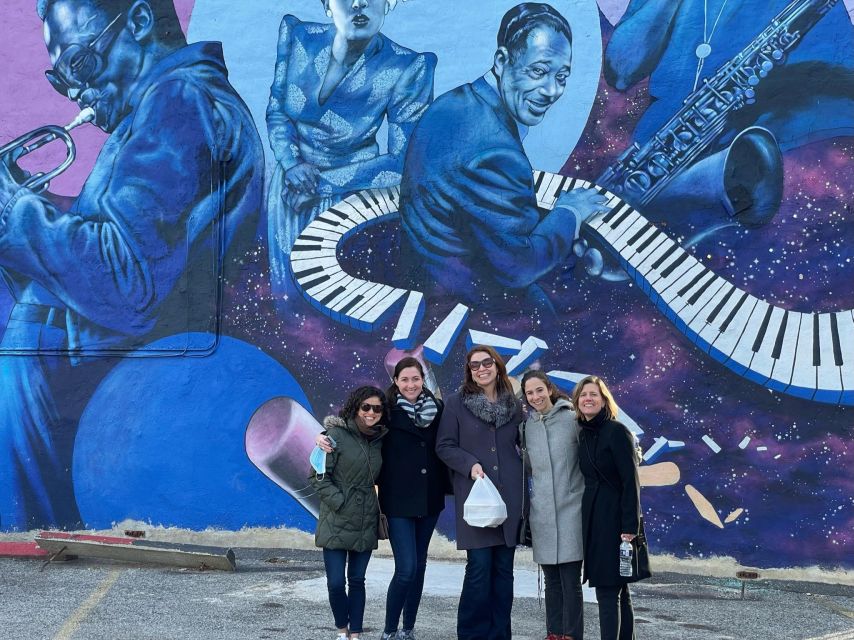
Reviewed · WASHINGTON DC NEIGHBORHOOD WALKING TOURS
DC’s Original Food & History Neighborhood Tour
U Street tells Washington’s story without a single marble monument. For three hours, you walk the corridor once known as Black Broadway, stopping for local food while your guide connects jazz clubs, Civil Rights events, street art, and changing architecture. This is the part of DC where the city feels lived in, not staged for visitors.
I like the way the food gives the history a clear shape. I also like the small group, limited to eight, which makes it easier to ask questions and keep up with the guide. The main consideration is the walking: expect about three miles, much of it outdoors, in a tour that runs rain or shine.
Key points to know before booking
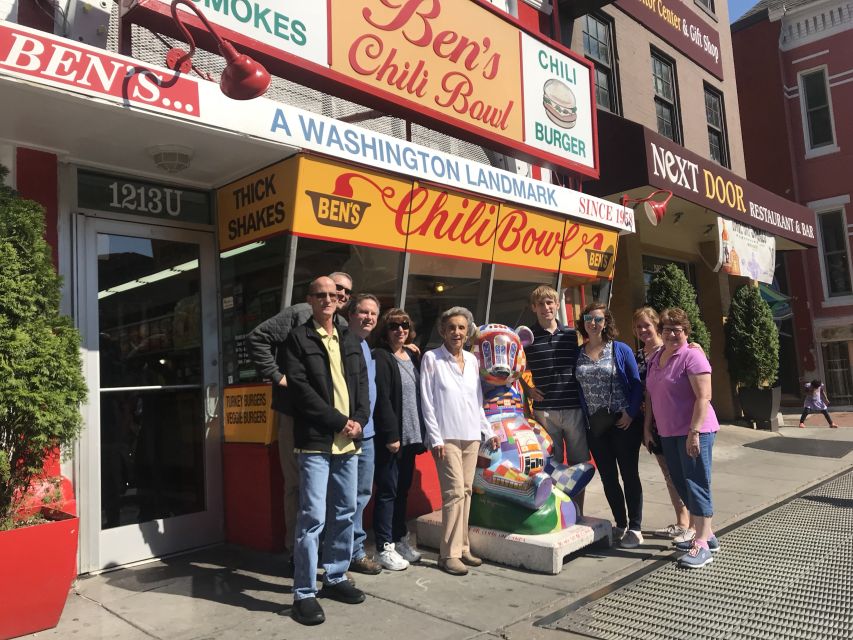
- Begin at Ben’s Chili Bowl: The tour starts at one of U Street’s best-known food landmarks and uses the neighborhood itself as the classroom.
- Taste enough for lunch: Several regional food stops are included, so you do not need to treat this as a quick snack walk.
- Learn about Black Broadway: Jazz-era U Street and the performers who got their start in its clubs are central to the tour.
- Look beyond the food: Murals, sculptures, architecture, and the effect of the Civil Rights riots all receive attention.
- Keep the group small: A maximum of eight participants gives the guide room for conversation and questions.
- Plan for three miles: Comfortable shoes and weather-ready clothing are essential, even though the tour is wheelchair accessible.
Why U Street is the right place for a food and history walk
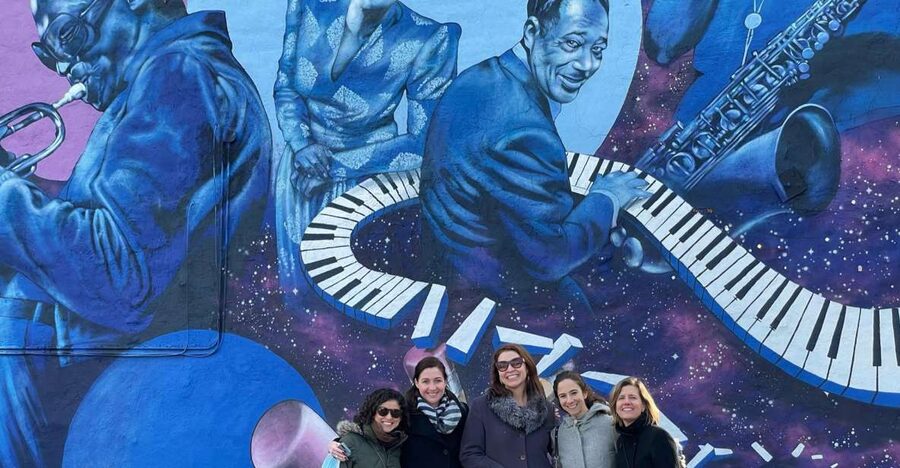
U Street gives you a different view of Washington. The National Mall presents the country through monuments and memorials. U Street presents the city through restaurants, music, neighborhood buildings, public art, and the stories of people who made a life here.
The area was once known as Black Broadway, a name tied to its importance in Washington’s Black cultural and musical life. The tour uses that era as a starting point, then follows U Street through Civil Rights struggles and the changes that continue today.
That approach matters. You are not simply told that the neighborhood has history. You see the streets where the story unfolded, then pause for food connected to the modern character of the area. The result is easier to remember than a string of dates.
The tour also helps correct a common first impression of DC. Washington is often treated as a city of government buildings, grand avenues, and formal attractions. U Street shows the city’s local side, with food businesses, murals, sculptures, and architecture that reveal how the neighborhood has grown and shifted.
More neighborhood walking tours in Washington DC:
- Delicious Donuts of Downtown DC: A Sweet City Experience
★ 5.0 · 512 reviews - Georgetown Foodie Culinary Tour & Neighborhood Walk
★ 5.0 · 437 reviews - Dupont Circle and Embassy Row Architectural Walking Tour
★ 5.0 · 117 reviews
Starting at Ben’s Chili Bowl
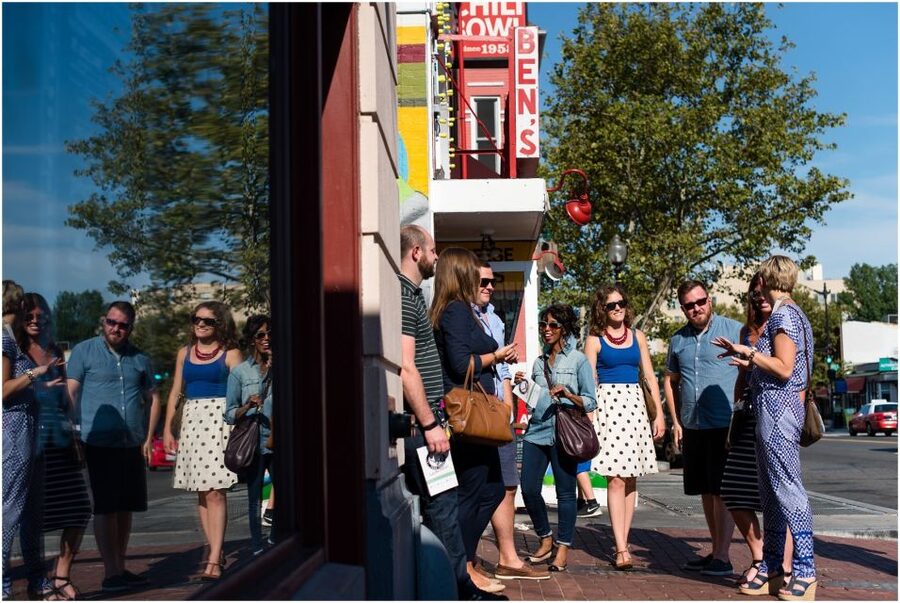
The meeting point is Ben’s Chili Bowl at 1213 U Street NW. This is a practical starting place because the restaurant is already part of U Street’s food identity, rather than a random place to gather before walking.
From here, your guide sets the tone for the afternoon. The tour is led in English, and guides including Rasheed and Jim have been singled out for being friendly, personable, and good at making the history enjoyable. That personal connection matters on a walking tour. Three hours can feel long if the guide lectures, but the format here is built around strolling, chatting, tasting, and stopping to look closely.
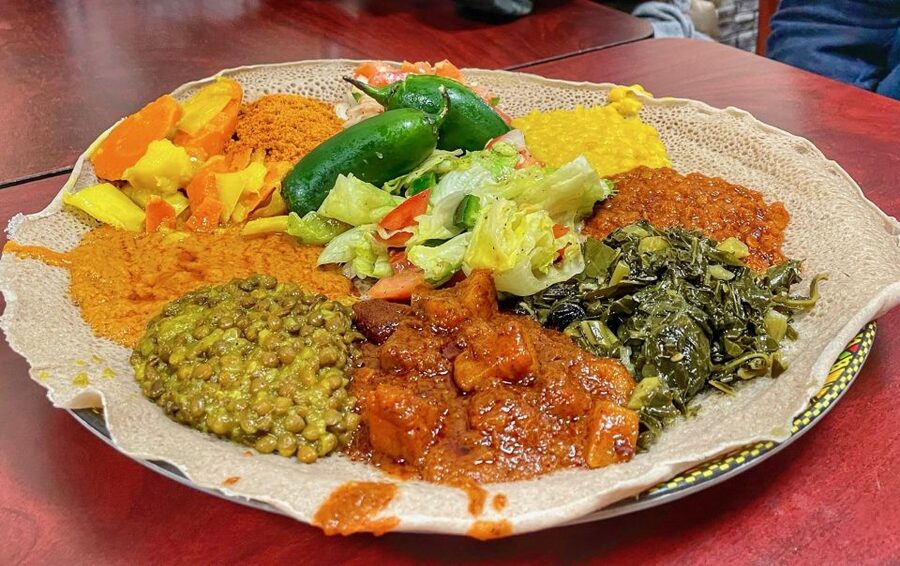
You should arrive ready to walk rather than expecting a seated meal. The food is spread across the route, and water is included. The tastings are described as enough for lunch, which makes the $112 price easier to assess. You are paying for a combination of food, guiding, and a focused introduction to one of DC’s most important neighborhoods.
Ben’s Chili Bowl is also a useful reminder that U Street’s food story is not limited to one type of cuisine. The tour takes you through several regional flavors, using food as a way to explain how the corridor developed.
Eating your way through U Street
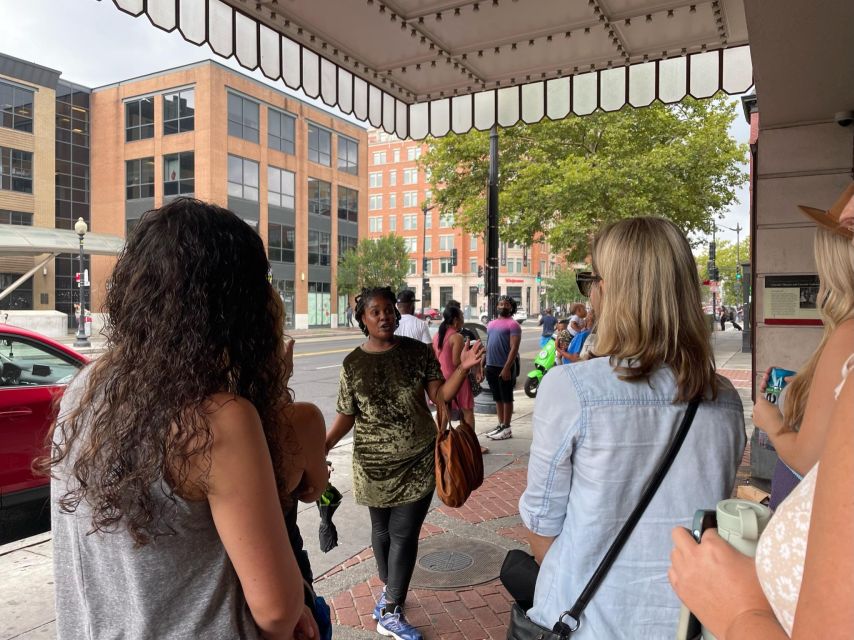
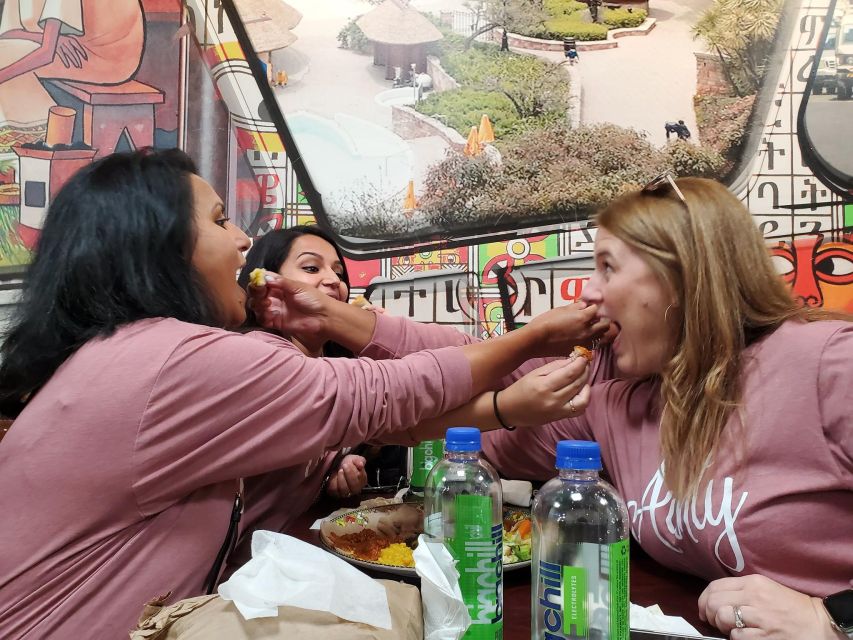
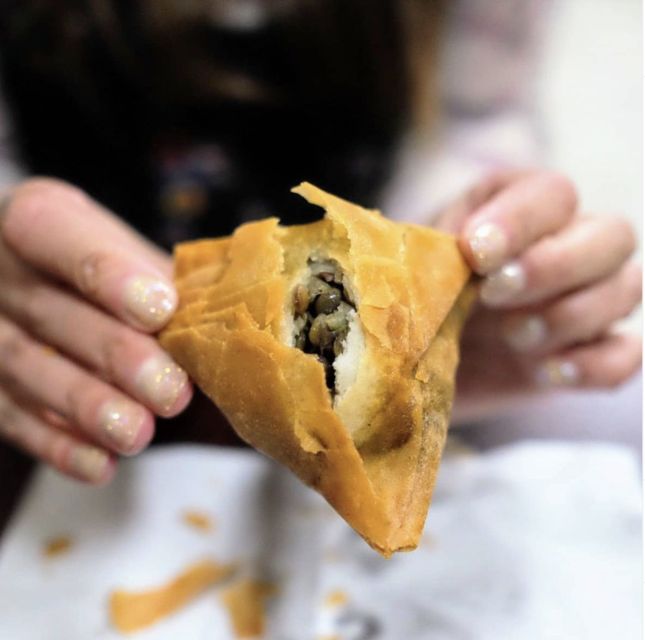
The tastings are the practical heart of the tour. You stop at local restaurants and sample foods that contribute to the story of the neighborhood. Exact dishes can vary, so you should think of this as a guided tasting route rather than a fixed restaurant meal with a published menu.
That flexibility can be a plus. A food walk works best when it reflects the neighborhood as it is now. You get a range of flavors, then hear how those foods connect to DC’s wider culinary roots. The experience is not built around fine dining or elaborate presentation. It is about trying local food in the places where people actually eat.
The tastings are also spaced through the walking route. That gives you time to digest, ask questions, and look around instead of sitting in one restaurant for most of the three hours. If you normally skip lunch while sightseeing, this tour can fill that gap.
Vegetarian options are available, and the operator can accommodate food allergies or other dietary needs if you provide the information when booking. I would still state your requirements clearly in advance. The tour takes place at several food stops, so early notice gives the team the best chance to plan properly.
A small caution: food preferences may shape how much value you get from the tasting portion. If you are happy trying a variety of regional foods, the route should feel generous. If you have strict dietary limits, confirm the available alternatives before booking rather than assuming every stop will offer the same range.
Following the story of Black Broadway
The main historical thread is U Street during the Jazz Era. Your guide explains the role of the corridor and the many household names who began in its small clubs. This is one of the strongest reasons to choose the tour over a standard neighborhood stroll.
You are not just walking past old buildings and hearing that famous musicians once performed nearby. The focus is on how the clubs helped make U Street a major cultural center. The phrase Black Broadway becomes more than a nickname because the guide places it within the neighborhood’s music, businesses, and community life.
The tour also looks at what happened beyond the stage. U Street’s importance was tied to the people who lived, worked, performed, and gathered there. Food stops give the cultural story a more grounded feel, while the street itself provides the setting.
If you enjoy music history, this part will likely be the highlight. If your main interest is architecture or food, the guide still gives you enough context to see those subjects differently. The tour is strongest when these threads are considered together.
More food and drink tours in Washington DC:
- Gastronomic Georgetown Walking Food Tour
★ 4.5 · 373 reviews - Washington’s Hidden Gems Food Tour with 6+ Tasty Bites
★ 4.5 · 292 reviews - DC’s Original Food and History Walking Tour
★ 5.0 · 255 reviews - Tastes of Georgetown Food & History Small Group Walking Tour
★ 4.5 · 203 reviews
Murals, sculptures, and street-level art
Several stops focus on murals, sculptures, and the artists behind them. These are not treated as decoration alone. Your guide reveals stories connected to tucked-away public art and points out details you might miss while walking on your own.
This is especially useful for visitors who want to take photographs but also understand what they are seeing. You have time for photo stops, guided sightseeing, and conversation, rather than racing past artwork on the way to the next restaurant.
The art also shows how U Street continues to change. Newer creative work sits alongside older buildings and long-standing businesses. The tour does not present the neighborhood as frozen in its Jazz-era past. It looks at the relationship between memory, current residents, local businesses, and the changes taking place around them.
Bring a camera if you like street photography, but do not expect the tour to be a dedicated photography walk. The art is one part of a larger route that also includes food and history.
Civil Rights, unrest, and neighborhood change
A serious part of the route deals with the Civil Rights riots that shaped Washington and changed U Street’s surroundings for years. This subject adds weight to the tour. It explains that the neighborhood’s changes did not happen only through music, restaurants, and new development.
The value of covering this history on foot is that you can connect events to the streets and buildings around you. Your guide can explain how conflict affected the area, then show how U Street evolved afterward. That makes the story more direct than a general overview in a museum.
The subject may not suit someone looking only for a light food outing. Still, it is an important reason this tour feels more useful than a simple tasting crawl. U Street’s past includes celebration, creativity, struggle, and recovery. You get a more honest picture by hearing all of it.
The guide’s manner matters here. Rasheed and Jim have been praised for being personable and making the tour fun while still giving the history proper attention. That balance is worth seeking in a subject that could otherwise become either too solemn or too shallow.
Architecture and a neighborhood in transition
The walking route includes architecture as well as public art and food. You look at how U Street has developed, what remains from earlier periods, and how the area continues to change.
The tour does not promise a formal architectural survey, so you should not book it expecting a specialist lecture on every building. Instead, architecture is part of the larger explanation of place. Buildings help show how the neighborhood’s identity has shifted and why its streets look the way they do today.
This is another advantage of walking rather than riding through the area. On foot, you can stop at a façade, mural, or sculpture and hear the story before moving on. The pace gives you a chance to notice details that disappear from a car or bus window.
The route covers about three miles in roughly two hours of walking, with the full activity lasting three hours. The extra time accounts for tastings, photo stops, and conversation. Wear shoes you can comfortably use for that distance.
Ending at Colada Shop
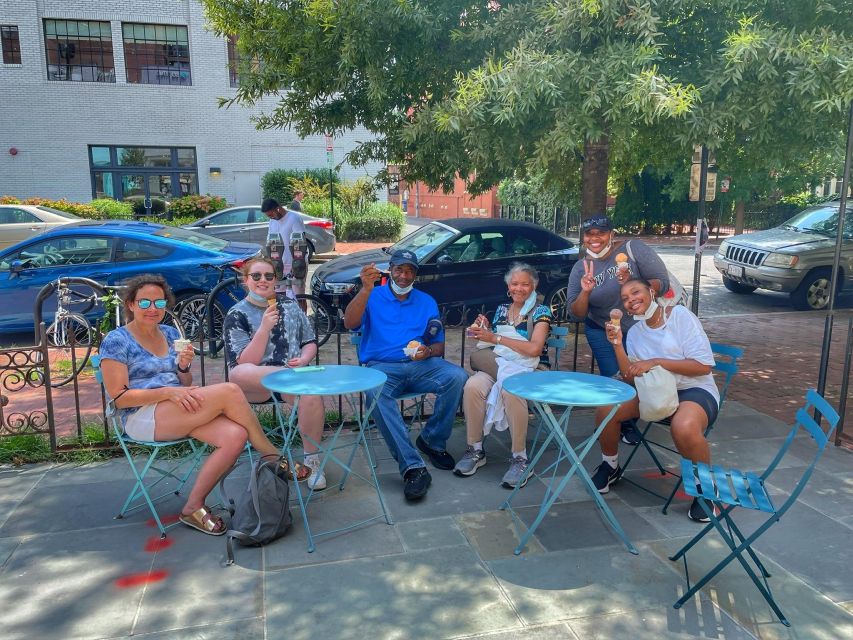
The published route identifies Colada Shop as the finish, while the meeting point is Ben’s Chili Bowl and the activity information says the tour ends back at the meeting point. Because those details do not perfectly match, check the exact end location and current route when you reserve.
Either way, the tour keeps you within the U Street area rather than sending you across Washington. That makes it easy to plan around other DC activities, provided you allow time for the three-hour schedule and any walk back to your next stop.
Finishing with food at Colada Shop gives the route a final taste of the neighborhood’s present-day dining scene. It also gives you a natural chance to ask last questions and decide which places you want to revisit on your own.
Is $112 a fair price?
At $112 per person, this is not a cheap walk. The value depends on how you use it.
You receive a three-hour guided tour, all tastings, water, and a small group capped at eight people. The food is substantial enough to serve as lunch, which means you can compare the price with what you would otherwise spend on a meal plus a private or small-group history tour.
The best value comes if you want several things at once: local food, neighborhood history, public art, architecture, and a guide who can connect them. If you only want to eat, you can spend less elsewhere. If you only want a quick look at U Street, three hours may feel like too much.
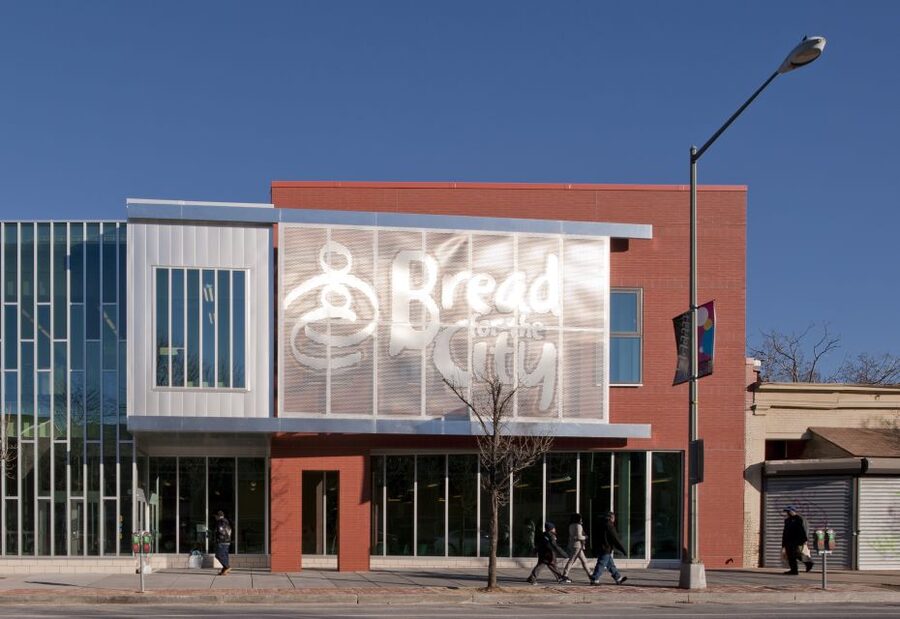
The donation to Bread for the City adds a useful social benefit. A portion of every ticket supports a local charity that provides food, clothing, legal services, and medical services to DC residents. That does not replace good food or good guiding, but it gives the purchase a local purpose beyond your own afternoon.
Who should book this U Street tour?
I would recommend it to first-time DC visitors who have already seen, or plan to see, the major monuments and want a more local side of the city. It also suits repeat visitors who want to understand U Street instead of simply passing through for a meal.
Food-focused visitors should like the tasting format, especially if they enjoy trying several cuisines in one outing. Music fans will get extra value from the Black Broadway and Jazz Era material. Art lovers will appreciate the murals and sculptures, though the tour is not devoted to art alone.
Families and mixed-interest groups may find the format useful because it combines eating, walking, stories, and photo stops. The small group also helps keep the experience conversational.
You should think carefully if you dislike outdoor walking, need a very short route, or want a fixed menu with exact dishes guaranteed. The tour is wheelchair accessible, but the three-mile distance and rain-or-shine format still matter. Check the route details and mention any mobility or dietary needs when booking.
Should you book it?
Book this tour if you want U Street explained as a living neighborhood, not just a place to grab lunch. The strongest combination is the small group, the enough-for-lunch tastings, and the way the guide links food to Black Broadway, Civil Rights, public art, and neighborhood change.
Skip it if your DC plans are already packed with formal attractions and you cannot spare three hours outdoors. Also skip it if you want a strictly culinary tour with no serious history.
For most visitors seeking the Real DC beyond the monuments, the $112 price is defensible. You get a meal-sized tasting route, a focused local history lesson, and a useful introduction to one of Washington’s most important streets. Bring good shoes, dress for the weather, and arrive ready to walk and listen.
FAQ
Where does the tour start?
It starts at Ben’s Chili Bowl, 1213 U Street NW, Washington, DC 20009.
Where does the tour end?
The activity information states that it ends back at the meeting point. The route also identifies Colada Shop as the finish, so confirm the current end point when booking.
How long does the tour last?
The tour lasts three hours. The walking portion covers about three miles in roughly two hours, with additional time for tastings and conversation.
What food is included?
All tastings are included, along with water. The tastings are described as enough for lunch and include flavors from several local restaurants.
Are vegetarian options available?
Yes. Vegetarian options are available, and food allergies or other dietary requirements can be accommodated when provided at booking.
Is the tour offered in English?
Yes. The tour has a live English-speaking guide.
How large is the group?
The tour is limited to eight participants.
Is the tour wheelchair accessible?
Yes, the activity is listed as wheelchair accessible. Because the route covers about three miles, you should consider the walking distance when planning.
What should I wear?
Wear comfortable walking shoes and clothing suited to the weather. The tour operates rain or shine.
Can I cancel for a refund?
Yes. You can cancel up to 24 hours in advance for a full refund. Reserve now and pay later is also available.
More History Tours in Washington DC
- Guided African American History Tour with Reserved Museum Entry
★ 4.5 · 1,180 reviews - DC Monuments & History Guided E-Cart Tour-Blankets
★ 4.5 · 450 reviews - Smithsonian Museum of Natural History – Exclusive Guided Tour
★ 5.0 · 446 reviews - African American History Tour with Museum of African American History Ticket
★ 4.5 · 390 reviews
More Food Tours in Washington DC
- Acquired Taste Food Tour in Georgetown
★ 5.0 · 105 reviews - Washington D.C.: Taste of Georgetown Walking Food Tour
★ 4.7 · 89 reviews - Local Neighborhood Washington DC Food Tour by DrinkEatWalk Tours
★ 5.0 · 51 reviews - Cobblestones & Croissants: A Morning Food Tour in Georgetown, DC
★ 5.0 · 45 reviews
Just added in Washington DC
- Washington DC: Express Morning or Night-Time Monuments Tour★ 3.2 · 3 reviews
- Washington, DC: Georgetown Architecture Walking Tour★ 5.0 · 8 reviews
- Washington D.C.: Georgetown Guided Secret Food Tour★ 3.9 · 7 reviews
- Washington DC: E-Bike Rental★ 4.3 · 7 reviews
- Washington DC: Christmas Eve Gourmet Brunch or Dinner Cruise★ 4.2 · 6 reviews
- Washington DC Day Tour – Private Tour★ 4.1 · 3 reviews
- Washington DC: After Dark Night-Time Sightseeing Tour★ 3.8 · 6 reviews
- Washington DC: Best of Capitol Hill Guided Bike Tour★ 3.2 · 7 reviews
Washington DC Neighborhood Walking Tours, compared.
Delicious Donuts of Downtown DC: A Sweet City Experience
Read our review →
Georgetown Foodie Culinary Tour & Neighborhood Walk
Read our review →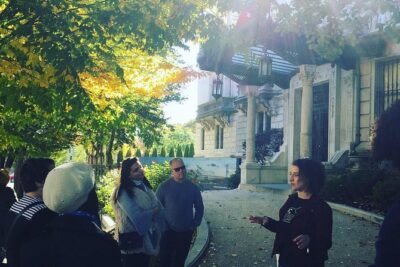
Dupont Circle and Embassy Row Architectural Walking Tour
Read our review →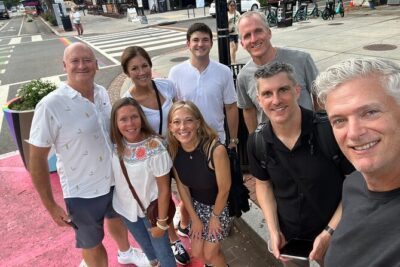
Local Neighborhood Washington DC Food Tour by DrinkEatWalk Tours
Read our review →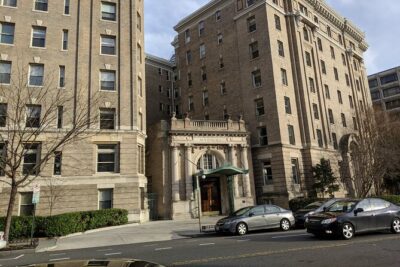
Residences of the Presidents Walking Tour: Dupont and Kalorama
Read our review →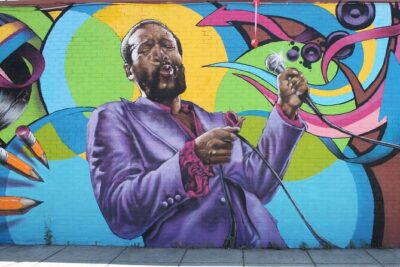
African-American Heritage Walking Tour of U Street in DC
Read our review →
Off the Beaten Path: 16th Street and Adams Morgan Neighborhood Tour
Read our review →Browse the lists this tour appears in