
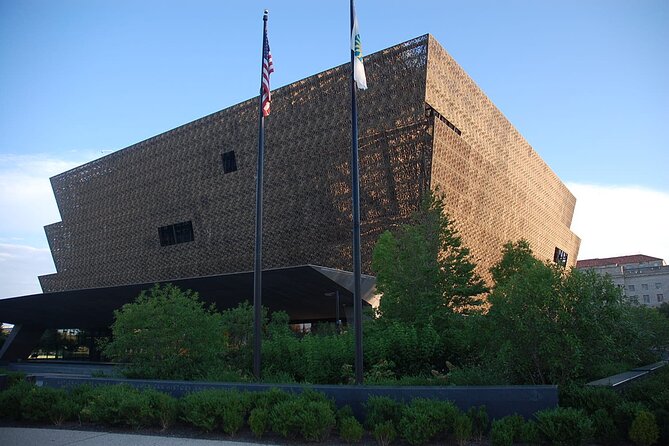
Reviewed · SMITHSONIAN MUSEUM TOURS
Private Tour of Museum of African American History and Culture
The most useful feature of this private NMAAHC tour is its focus. This is a large museum, and two hours can pass quickly. Your guide takes you through the first three floors, connecting the exhibits from slavery and freedom to segregation and the civil rights movement. I like the personal, African American perspective and the wireless microphone with headphones, which lets you hear clearly in a busy public setting.
I also like that the tour helps you get your bearings before you explore on your own. Kenny, the guide named in the tour details, is described as warm, clear, and careful about making sure important exhibits are not missed. The main drawback is time: two hours is only an introduction, so you may want several more hours afterward if you hope to see the museum at a slower pace.
Key points to know before booking
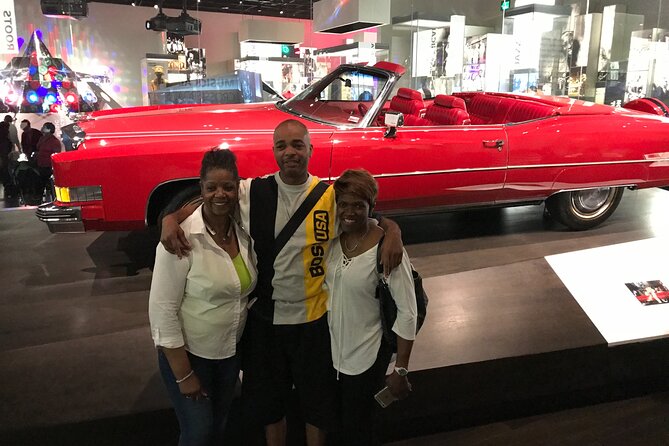
- First three floors in about two hours: The tour gives you a guided framework for the museum’s major historical sections.
- Personal African American perspective: Your guide adds context and reflection beyond what you get from walking through the galleries alone.
- Headphones and a wireless microphone: You can follow the commentary without straining to hear over museum noise.
- Private group of up to seven: Your party receives the guide’s attention rather than joining a large public group.
- $300 per group: The price is fixed for up to seven people, so the per-person value improves with a larger party.
- Plan extra museum time: The guided visit covers important ground, but it is not designed to show every gallery in one sitting.
Why a focused tour helps inside NMAAHC
The National Museum of African American History and Culture can be difficult to approach without a plan. Its subject covers centuries, from slavery and freedom through segregation, civil rights, and later chapters of African American life. The size and emotional weight of the material can make a first visit feel scattered.
A private guide gives you a route and a sense of order. Instead of trying to decide which display to read next, you can listen, look, and ask questions as the story develops. Kenny’s role, based on the experience described, is not simply to point out objects. He explains the museum’s layout and helps you decide what deserves your attention during a limited visit.
That matters because the museum is not a quick stop between monuments. You are dealing with subjects that need time and thought. A guide can connect one gallery to the next, helping you understand why the exhibits are arranged as they are and how the different periods relate to one another.
The private format is especially helpful here. With only your own group, you are not tied to the pace or interests of strangers. If your group needs a moment to reflect, wants clarification, or prefers to spend more time with a particular section, the setting is more personal than a standard group tour.
More African American history tours in Washington DC:
- Guided African American History Tour with Reserved Museum Entry
★ 4.5 · 1,180 reviews - African American History Tour with Museum of African American History Ticket
★ 4.5 · 390 reviews - Washington, DC: African American History Tour & Museum Entry
★ 4.9 · 312 reviews
The first three floors: a clear route through difficult subjects
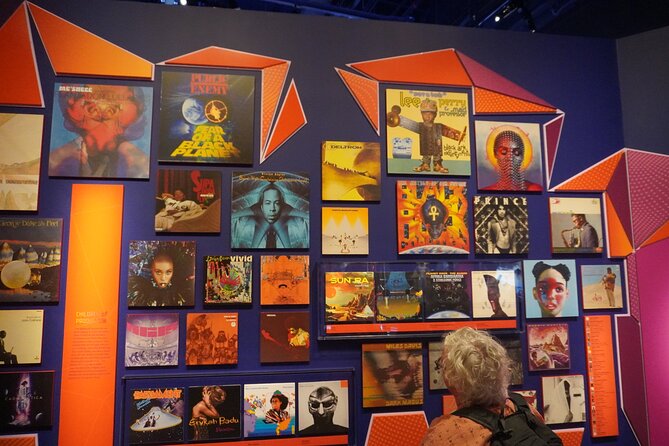
The tour begins with the museum’s sections on slavery and freedom. This part of the visit establishes the historical foundation for everything that follows. You can expect stories of hardship, resistance, resilience, and hope, presented through museum exhibits and your guide’s explanation.
The value of having a guide here is context. A label can identify an object or event, but a guide can help you understand how separate stories fit together. You are not just moving from one case to another. You are building an overview of the forces and experiences that shaped African American life.
This is also where the private format may feel most useful. The subject matter can be emotionally demanding, and a personal guide can help you pause and process rather than rush through. The headphones make it easier to stay connected to the commentary even when the surrounding museum is active.
From there, the route continues into the Era of Segregation. This section addresses Jim Crow laws, exclusion, and the long struggle against a system built into American public life. The tour then connects these barriers with the victories and sacrifices of the civil rights movement.
I like this chronological structure because it gives you a way to understand change. The civil rights movement does not appear as an isolated chapter. It follows the earlier material and shows how organized resistance developed over time.
The tour is described as covering the first three floors. That makes the visit a substantial introduction, but you should not expect a complete look at the entire museum. The experience is best understood as a guided foundation. Afterward, you will know where you are and what you may want to return to.
Headphones make a real difference
The guide uses a wireless microphone connected to headphones. That may sound like a small detail, but it can shape the quality of the visit.
Museum galleries are public spaces. Other groups may be moving nearby, and general background noise can make a soft-spoken guide hard to follow. With headphones, you can hear the explanation without standing shoulder to shoulder with the guide or asking for constant repetition.
The arrangement also supports a quieter kind of tour. You can look at an exhibit while listening, instead of trying to stay directly beside the guide. It creates a more personal connection to the stories without requiring the guide to raise their voice.
For a museum dealing with serious subjects, that clarity matters. You do not want to miss a key explanation because of noise or because your group is spread across a gallery. The headphones help keep the group together while allowing each person to pay attention to the displays.
This setup does not turn the visit into a private museum opening. You are still in a public institution with other people around you. It simply makes the guide’s commentary easier to follow.
Kenny’s personal approach
Kenny is the guide specifically named in the available tour information. His approach combines museum orientation with personal reflection from an African American perspective. That combination is one of the strongest reasons to choose this experience instead of walking through the museum without a guide.
The historical material is more meaningful when it is connected to lived perspective, but personal commentary should also support the exhibits rather than replace them. Here, the tour is built around the museum’s galleries, with the guide helping you understand what you are seeing and why it matters.
Kenny is also described as making sure the group does not miss important material. That is useful in a museum with more content than you can reasonably absorb in two hours. You may still choose to return to certain areas, but you will have a better idea of which sections deserve your remaining time.
The guide’s friendly manner is another practical advantage. A good museum tour should not feel like a lecture delivered at you. It should help you ask questions and stay engaged, particularly when the topic is heavy. The private setting gives you more room for that exchange.
Because the tour is offered in English, you should book it only if everyone in your group is comfortable following an English-language explanation.
More Smithsonian museum tours in Washington DC:
- Smithsonian Museum of Natural History – Exclusive Guided Tour
★ 5.0 · 446 reviews - Smithsonian Museums Walking Tour with Reserved Air & Space Entry
★ 5.0 · 297 reviews - Smithsonian Museum of American History Exclusive Guided Tour
★ 5.0 · 245 reviews - The Smithsonian National Air & Space Museum Exclusive Guided Tour
★ 5.0 · 214 reviews
Two hours is a beginning, not the whole museum
The scheduled duration is approximately two hours. That is enough to cover a selected route through the first three floors, but it is not enough for a slow reading of every exhibit.
I would treat the tour as the first part of your museum visit. Use the guide to understand the layout and major themes. Then, if your schedule allows, stay on your own to revisit sections that caught your attention.
This approach avoids a common museum problem: spending too long at the entrance or early displays and running out of time before you understand the larger story. The guided route gives you a framework first.
The experience is also useful if you have only a short window in Washington DC. You will receive a focused introduction rather than wandering without direction. Still, the tour is not ideal if you want to examine every object, read every label, or move at a very slow pace.
The description of the experience suggests that many people would benefit from staying several extra hours. That is sensible advice. The guided portion provides the overview, while independent time lets you follow your own interests.
Is $300 a good value?
The cost is $300 per group of up to seven people, with admission and all fees and taxes included. Lunch is not included.
For a full group of seven, the price works out to about $43 per person. For four people, it is $75 each. For two people, it becomes $150 each. The private format offers the best value when you can bring a family group or several friends.
The price is harder to justify for one or two people if you only want a quick introduction. In that case, you are paying for privacy, a dedicated guide, the headphones, and the convenience of a planned route, not just for entry to the museum.
I see the strongest value in the personal attention. You are not paying for a long day of touring. You are paying for a concentrated explanation of a large and serious museum, with a guide who helps you decide what matters most.
Since the museum can be difficult to cover in one visit, the tour may save time and prevent frustration. You will still need to decide if that guidance is worth the fixed group price. For a family or group of friends, the answer is more likely to be yes.
Meeting point and practical planning
The tour starts and ends at the National Museum of African American History and Culture, at 1400 Constitution Avenue NW in Washington, DC. Because the activity returns to the same meeting point, you do not need to arrange a separate drop-off at the end.
The museum is near public transportation, which makes it practical to reach without a car. The supplied details do not specify a particular Metro station, transit route, or parking arrangement, so you should check your own route before the tour day.
Confirmation is provided at booking. Service animals are allowed, and the activity states that most people can participate. If anyone in your group has a specific mobility or access concern, check the details before booking rather than assuming the general participation note answers every question.
The tour is usually booked about 34 days ahead. That pattern suggests you should reserve well before your Washington visit, especially if you need a particular date. The activity is offered in English only.
You can cancel for a full refund up to 24 hours before the start time. Cancellations or changes made less than 24 hours before the start are not accepted for a refund, and the cut-off follows Washington DC local time.
Who will get the most from this tour?
This experience suits you if you want a clear first visit rather than an unstructured museum walk. It is particularly useful for families, small groups, and people who feel they may miss important context in a large institution.
It also suits you if personal interpretation matters. The African American perspective brought by the guide adds a human layer to the museum visit, while the headphones help you follow the explanation closely.
You may prefer to visit independently if you already know the museum well, want to spend most of your time reading at your own pace, or have a strict budget for one or two people. The guide covers selected material, so independent visitors may prefer the freedom to choose their own route.
I would also think about the emotional pace. This is not a light sightseeing stop. The subjects are serious, and the tour asks you to pay attention to difficult parts of American history. That is precisely why a thoughtful guide can help, but it also means you should leave room in your day rather than rushing straight to another activity.
Should you book the private NMAAHC tour?
Book it if your group wants a focused introduction, values personal guidance, and can share the $300 cost among several people. Kenny’s clear explanations, African American perspective, and use of headphones address three real challenges of the museum: scale, context, and background noise.
Do not book it expecting to see everything in two hours. Plan to stay longer if you want to explore at your own pace. For a group of four to seven, this is a practical way to turn a large museum into a manageable first visit. For one or two people, compare the privacy and structure against the higher per-person cost.
FAQ
Where does the private NMAAHC tour start?
It starts at the National Museum of African American History and Culture, located at 1400 Constitution Avenue NW, Washington, DC 20560.
Where does the tour end?
The activity ends back at the museum meeting point.
How long does the tour last?
The tour lasts approximately two hours.
How many people can join the private tour?
The price covers one private group of up to seven people. Only your group participates in the activity.
Is admission to the museum included?
Yes. Admission tickets, all fees, and taxes are included.
Is lunch included?
No. Lunch is not included in the tour price.
What language is the tour offered in?
The experience is offered in English.
Are service animals allowed?
Yes. Service animals are allowed.
Can I cancel for a full refund?
Yes. You can cancel at least 24 hours before the start time for a full refund. Cancellations or changes made less than 24 hours before the start are not accepted for a refund.
More History Tours in Washington DC
- DC Monuments & History Guided E-Cart Tour-Blankets
★ 4.5 · 450 reviews - Historic Georgetown: History, Gossip, & Architecture Walking Tour
★ 5.0 · 321 reviews - DC’s Original Food and History Walking Tour
★ 5.0 · 255 reviews - Tastes of Georgetown Food & History Small Group Walking Tour
★ 4.5 · 203 reviews
More Museum Tours in Washington DC
- National Mall Tour with 10 Stops & U.S. Capitol or Museum Entry
★ 4.5 · 331 reviews - Capitol Combo: U.S. Capitol + Library Congress or Capitol Museum
★ 4.5 · 294 reviews - U.S. Capitol Tour with Library of Congress or Capitol Museum
★ 4.0 · 286 reviews - Museum of the Bible Admission Ticket
★ 4.5 · 233 reviews
Just added in Washington DC
- Washington, DC: Georgetown Architecture Walking Tour★ 5.0 · 8 reviews
- Washington D.C.: Georgetown Guided Secret Food Tour★ 3.9 · 7 reviews
- Washington DC: Express Morning or Night-Time Monuments Tour★ 3.2 · 3 reviews
- Washington DC: E-Bike Rental★ 4.3 · 7 reviews
- Washington DC: Christmas Eve Gourmet Brunch or Dinner Cruise★ 4.2 · 6 reviews
- Washington DC Day Tour – Private Tour★ 4.1 · 3 reviews
- Washington DC: After Dark Night-Time Sightseeing Tour★ 3.8 · 6 reviews
- Washington DC: Best of Capitol Hill Guided Bike Tour★ 3.2 · 7 reviews
Smithsonian Museum Tours, compared.
Guided African American History Tour with Reserved Museum Entry
Read our review →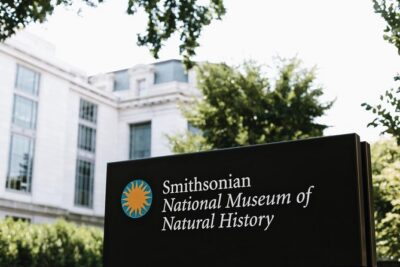
Smithsonian Museum of Natural History – Exclusive Guided Tour
Read our review →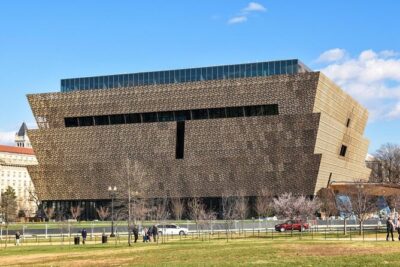
African American History Tour with Museum of African American History Ticket
Read our review →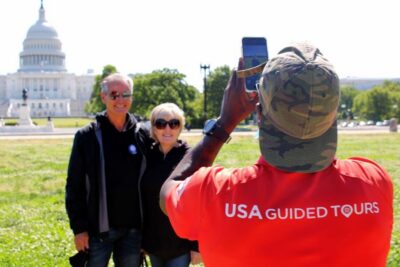

Smithsonian Museums Walking Tour with Reserved Air & Space Entry
Read our review →
Smithsonian Museum of American History Exclusive Guided Tour
Read our review →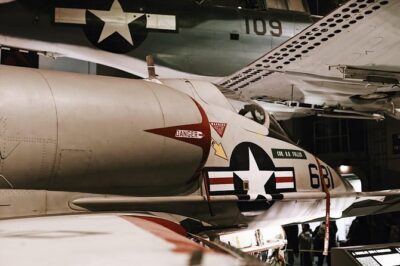
The Smithsonian National Air & Space Museum Exclusive Guided Tour
Read our review →
Smithsonian Museum of Natural History Small Group Tour: 8ppl Max
Read our review →Browse the lists this tour appears in