
Reviewed · MUSEUMS
Museum of the Bible Admission Ticket
The Museum of the Bible turns a familiar book into a large, hands-on Washington attraction. You can walk through a first-century village, see rare objects linked to Jewish and Christian traditions, and follow the Bible from early writing systems to modern life. The strongest parts are the interactive displays and the polished films.
I like that you can visit at your own pace, with a digital guide available for extra background. I also like the location, only a few blocks from the National Mall. The main caution is cost: guided tours, virtual reality, and special films may require separate tickets, and advance booking may not always bring a clear advantage.
Key points to know before you go
- Plan on at least three hours: Two 30-minute video presentations can take a large part of your visit, and several floors deserve careful attention.
- Start on the third floor: This helps you follow the suggested flow through the fourth and fifth floors before finishing on the second.
- The Bible’s physical story is a major focus: You will see displays about oral tradition, cuneiform, papyrus, printing, and later forms of publication.
- The best attractions may cost extra: Virtual reality, Washington Revelations, and guided tours are not included with standard admission.
- The museum suits more than committed believers: Its displays cover writing, culture, art, history, and technology, though some sections present the Bible from a clearly faith-based viewpoint.
- Leave time before the 5 p.m. closing: The building closes firmly, and a rushed final floor would undercut the experience.
A large museum near the National Mall
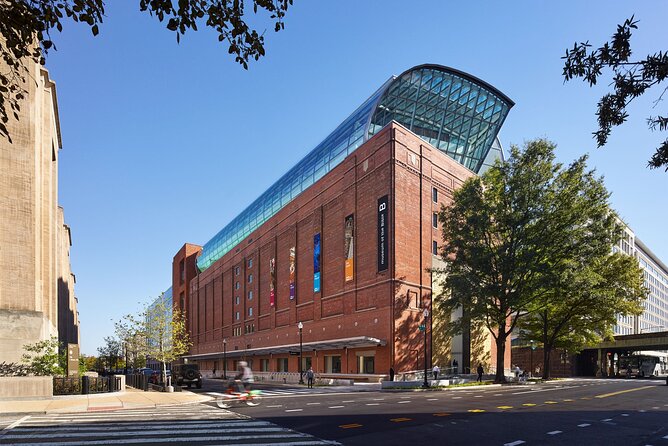
The Museum of the Bible is at 400 4th Street SW, a few blocks from the National Mall. That location makes it easy to pair with downtown sightseeing, though you should not treat it as a quick one-hour stop. The building contains several floors of exhibits, films, interactive rooms, and optional activities.
The central idea is simple: the Bible is not presented only as a sacred text. It is also shown as a book that has shaped writing, art, music, education, politics, language, and daily life. That broader approach gives the museum a wider appeal than its name may suggest.
I would allow three hours as a minimum. If you want to read display text, watch both longer films, and try the paid attractions, four hours may still feel short. One practical suggestion is to begin on the third floor, continue to the fourth and fifth, and finish on the second floor. This order helps you build a story rather than moving randomly between galleries.
More museum tours in Washington DC:
- Guided African American History Tour with Reserved Museum Entry
★ 4.5 · 1,180 reviews - Smithsonian Museum of Natural History – Exclusive Guided Tour
★ 5.0 · 446 reviews - African American History Tour with Museum of African American History Ticket
★ 4.5 · 390 reviews
The third floor explains how the Bible became a book
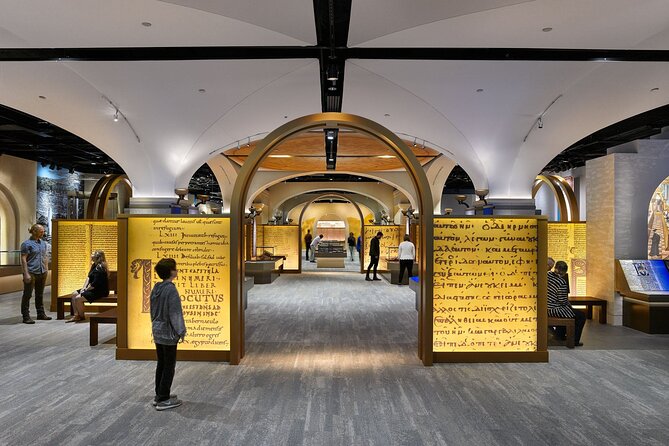
The third floor is a strong place to begin because it gives you the basic timeline. The displays move from oral traditions to early written forms, including cuneiform and papyrus, then onward through later developments in the history of the Bible.
This section is especially useful if you think of the Bible only as a finished printed volume. You can instead see the long process behind its transmission. Writing materials, methods of copying, translation, and publication all affect how texts survive and reach new audiences.
The subject matter can be serious, but the museum uses screens, sound, visual displays, and hands-on elements to keep the visit moving. I like this floor for its educational value. It gives you something concrete to think about, even if you do not share the religious beliefs presented in other sections.
Some displays may take more time than expected. If you stop at every panel, you can easily spend a full hour here. Families should set a relaxed pace, since younger children may prefer the visual and interactive sections to long explanations.
Interactive galleries bring biblical settings to life
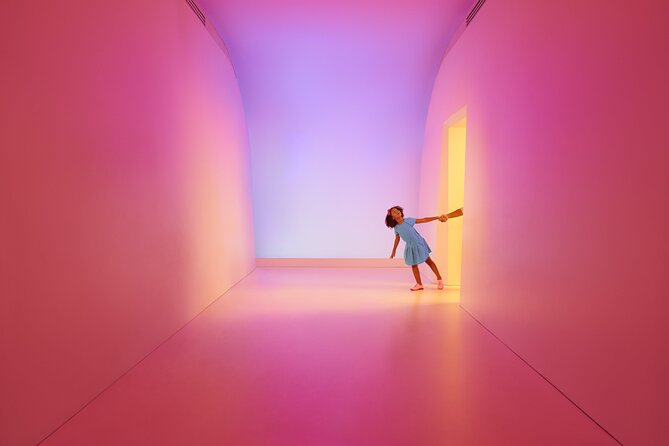
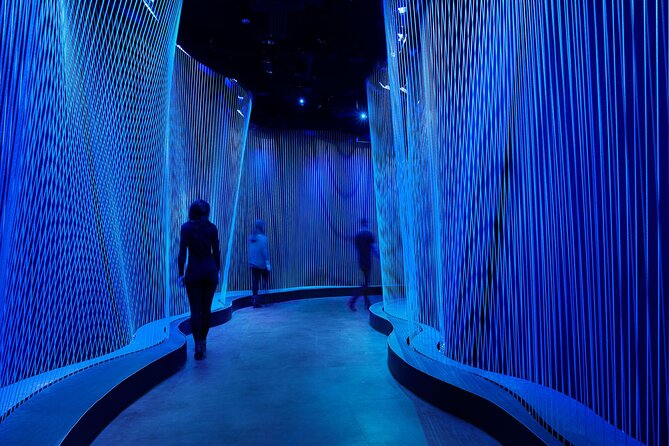
The museum’s most memorable moments come from its use of physical sets, sound, projection, and theatrical presentation. You can walk on dry ground through a recreation of the Red Sea and wander through a first-century village setting.
These rooms are designed to make familiar stories feel physical. Instead of only reading about a place or event, you move through a setting built to suggest it. That makes the museum particularly effective for children and anyone who learns better through images and movement.
The presentation is polished and accessible, but it is not neutral in tone. Much of the museum treats biblical stories as living matters of faith, not only as subjects for academic study. That will be a benefit for many visitors and a point to keep in mind if you prefer a strictly secular museum.
I also like the way technology is used here without replacing the objects. The sound, film, and lighting add energy, but the visit still includes artifacts and historical displays. The result is more varied than a series of glass cases.
The fourth and fifth floors add film and visual drama
The fourth and fifth floors provide some of the museum’s most visually ambitious material. This is where the visit shifts from the development of the Bible as a written object to its stories, people, and influence.
The longer video presentations matter to your schedule. Two sessions run for about 30 minutes each, so you need to allow roughly an hour if you want to see both. The films are easy to miss if you do not ask staff where they are or check the schedule when you arrive.
One film has been singled out as a particularly strong part of the experience. It uses presentation, sound, and story to create an emotional response. I would not rush past the film areas, but I would ask about show times early in your visit. That simple step can prevent you from discovering too late that you missed one.
The fifth floor also offers broad visual displays and dramatic presentations connected with biblical themes. These can be moving and inspiring, especially for Christian visitors. At the same time, the tone is openly devotional in places, so you should choose the museum knowing that faith is part of the experience rather than a subject kept at arm’s length.
A few more Washington DC tours worth putting side by side
- National Mall Monuments Night Tour with 10+ Stops, Entry Tickets
★ 4.5 · 4,863 reviews - National Mall Tour with 10+ Stops, Boat Cruise, Entry Tickets
★ 4.5 · 1,212 reviews - DC: Capitol Hill and Library of Congress Tour with Tickets
★ 4.7 · 1,125 reviews - Washington DC: Arlington Nat. Cemetery Ticket & Tram Tour
★ 4.6 · 544 reviews
The second floor offers a good final stop
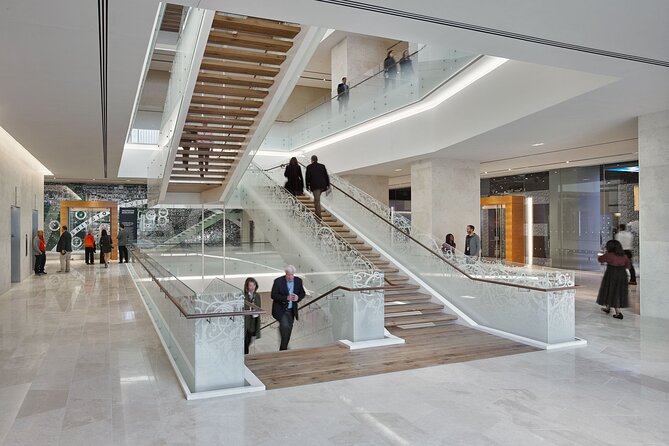
Ending on the second floor can work well because it gives you a different look at the Bible’s continuing place in modern society. After seeing early writing, historical artifacts, and biblical settings, you can consider how the book has continued to affect people and communities.
The exact order of rooms may depend on current operations, but the general advice to finish here is practical. Starting on the third floor gives you a timeline, while the second floor can serve as a final reflection on the Bible’s impact.
This floor may also help visitors who are less interested in ancient objects. The museum is not only about the past. Its purpose is to show how the Bible remains part of public and personal life today.
Rare artifacts provide substance behind the spectacle
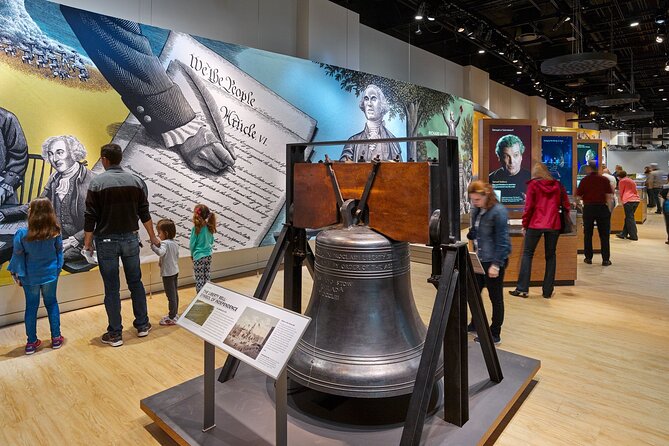
The interactive rooms get attention, but the artifacts give the museum weight. Displays include rare materials connected with the history of the Bible, including items associated with the Vatican and Israel.
The value here is not only rarity. Physical objects let you see how the Bible was preserved, copied, carried, and presented across time. They connect the large stories told by the museum to actual materials made and handled by people.
You should expect a mixture of original objects, reproductions, modern technology, and reconstructed settings. That variety is useful for a general audience, though visitors hoping for a quiet manuscript museum may find the approach more theatrical than expected.
The digital guide can add context as you move through the displays. Since no named guide is assigned to this admission ticket, the digital option is the main way to get extra explanation without paying for a separate guided tour.
Add-on attractions can change the value
Standard admission covers entry to the museum, but it does not cover every activity inside. Guided tours, Washington Revelations, and virtual reality are separate add-ons.
The virtual reality experience has been especially popular with people who want a more active presentation. It may be a good choice if you enjoy technology and want something beyond display cases and films. The guided options make sense if you prefer a structured explanation rather than choosing your own route.
The problem is that the extras can add up quickly. One family calculated that the additional attractions cost about $82 beyond admission. That is enough to change the visit from a reasonably priced museum outing into a major expense, particularly for a family.
I suggest deciding what you want before you arrive. If the main admission already fills three hours, you may not need anything else. If you want the full package, compare the combined cost with any available membership option. Do not assume the extra experiences are included simply because they are inside the building.
Is advance booking worth it?
Advance tickets offer a confirmed reservation, but they may not always save time. At least one admission holder still waited in the same security and ticket lines as people buying on site. That means you should not book this option solely because you expect to walk straight past the entrance queue.
Price also matters. A senior visitor paid $34.99 through the booking channel but later learned that an in-person senior rate was $5 lower. Student pricing for children may also be available at the museum. Because rates and discounts can change, check the current official options before paying.
The practical answer is mixed. Advance booking may help you plan a specific day, but it is not guaranteed to provide priority entry or the lowest price. If you qualify for a senior or student discount, check those rates carefully. If your schedule is flexible, buying directly may be worth considering.
Timing, transport, and the firm closing hour
The listed opening period runs Monday through Saturday from 9 a.m. to 5 p.m. The experience is near public transportation, and the location is convenient for a day that includes the National Mall.
Parking requires care. Street signs and drop-off areas can be confusing, and paying for a nearby space does not automatically mean you are parked legally. Read the signs closely rather than relying on a nearby driver or passerby.
Arrive early enough to clear security and get oriented. If you arrive late in the day, you may have time for only the headline displays. Since the building closes at 5 p.m., do not leave an important floor or film for the final minutes.
Service animals are allowed, and most people can take part. The attraction is not described as a guided group tour, so you generally control your own pace unless you purchase a separate tour.
Food and breaks inside the building
A restaurant is available, and several people have found it useful as a break during a longer visit. One visitor particularly liked the food on the sixth floor.
That makes the museum easier to handle as a half-day stop. You do not have to rush through three or four hours without a pause, especially if you are visiting with children or older relatives. Still, food quality can vary, so I would treat the restaurant as a convenience rather than the main reason to visit.
A break can also help you absorb the material. The museum asks you to shift between ancient writing, religious stories, technology, film, and modern culture. A short pause may be welcome before you continue.
Who will enjoy this museum most?
This is a strong choice for Christian visitors who want a serious and visually engaging presentation of biblical history and faith. The museum also works for families, since the interactive spaces and reconstructed settings give children more to do than simply read labels.
It can suit visitors with little religious background as well. The writing systems, artifacts, printing history, and modern cultural impact provide plenty of material outside personal belief. Still, you should expect a faith-based presentation in several areas, particularly those focused on Jesus Christ and Christian interpretation.
I would be more cautious about recommending it to someone who wants a small, quiet museum with a narrow academic focus. The building is large, polished, and theatrical. At times, the presentation may feel repetitive or overly earnest if you are not drawn to the subject.
Is three hours enough?
Three hours is a sensible starting point, not a strict limit. It should let you cover the main floors and see some of the films without racing. If you read everything, stop for food, or add virtual reality or a guided tour, plan on more time.
Families may find that children move quickly through some galleries and then want extra time in the interactive areas. Couples and solo visitors can create a tighter route by focusing on the third, fourth, and fifth floors.
I would write down your priorities before entering:
- The history of writing and Bible transmission
- The first-century village and Red Sea presentation
- The longer films
- Rare artifacts
- Virtual reality or a paid tour
This keeps the visit focused. Without a plan, the sheer number of rooms and presentations can make the final hour feel rushed.
Cancellation and ticket details
Free cancellation is available when you cancel at least 24 hours before the scheduled start time. Cancellations made within 24 hours are not refunded, and changes in that final 24-hour period are not accepted.
The experience may also be affected by poor weather. If it is canceled for that reason, you are offered another date or a full refund. Confirmation is provided when you book.
The most important ticket detail is that standard admission does not cover the paid attractions. Check the total before confirming, especially if you are buying for a family or considering several add-ons.
Should you book the Museum of the Bible?
I would book it if you want a substantial indoor attraction near the National Mall, especially if you enjoy religious history, rare objects, films, and interactive exhibits. Give yourself three hours, begin on the third floor, and ask about film times as soon as you arrive.
I would pause before booking through a third-party seller if you qualify for a senior or student discount, or if you expect advance tickets to skip the entrance line. Buying directly may offer better clarity on current rates and add-ons.
The museum is at its best when you treat it as a half-day experience rather than a quick stop. The main admission offers plenty to see, while the optional virtual reality and guided programs are worthwhile only if they fit your interests and budget.
FAQ
Where is the Museum of the Bible?
The museum is located at 400 4th Street SW, Washington, DC 20024, a few blocks from the National Mall.
How long should I spend at the museum?
Plan on about three hours for the main visit. You may need longer if you watch both 30-minute video presentations, stop for food, or purchase extra experiences.
What does the admission ticket include?
The ticket includes admission to the Museum of the Bible in Washington, DC.
Are guided tours included?
No. Guided tours are listed as add-on experiences and are not included with standard admission.
Is virtual reality included?
No. The virtual reality experience is an optional add-on and requires a separate purchase.
What other paid experience is available?
Washington Revelations is also listed as an add-on experience separate from standard admission.
What are the opening hours?
The listed hours are Monday through Saturday, 9 a.m. to 5 p.m., during the stated operating periods.
Is the museum near public transportation?
Yes. The museum is listed as being near public transportation.
Are service animals allowed?
Yes. Service animals are allowed.
Can I cancel for a full refund?
Yes, if you cancel at least 24 hours before the experience start time. Cancellations made less than 24 hours before the start time are not refunded.
Just added in Washington DC
- Washington DC: Express Morning or Night-Time Monuments Tour★ 3.2 · 3 reviews
- Washington, DC: Georgetown Architecture Walking Tour★ 5.0 · 8 reviews
- Washington D.C.: Georgetown Guided Secret Food Tour★ 3.9 · 7 reviews
- Washington DC: E-Bike Rental★ 4.3 · 7 reviews
- Washington DC: Christmas Eve Gourmet Brunch or Dinner Cruise★ 4.2 · 6 reviews
- Washington DC Day Tour – Private Tour★ 4.1 · 3 reviews
- Washington DC: Best of Capitol Hill Guided Bike Tour★ 3.2 · 7 reviews
- Washington DC: After Dark Night-Time Sightseeing Tour★ 3.8 · 6 reviews
Museums, compared.
Guided African American History Tour with Reserved Museum Entry
Read our review →
Smithsonian Museum of Natural History – Exclusive Guided Tour
Read our review →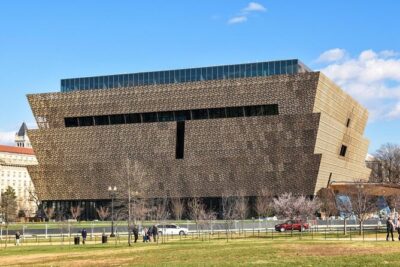
African American History Tour with Museum of African American History Ticket
Read our review →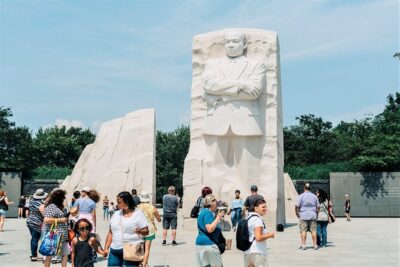
National Mall Tour with 10 Stops & U.S. Capitol or Museum Entry
Read our review →

Smithsonian Museums Walking Tour with Reserved Air & Space Entry
Read our review →
Capitol Combo: U.S. Capitol + Library Congress or Capitol Museum
Read our review →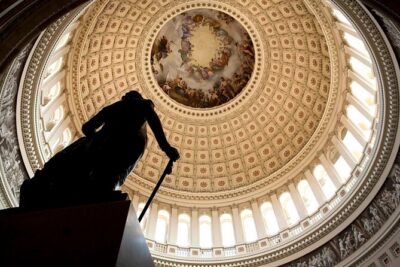
U.S. Capitol Tour with Library of Congress or Capitol Museum
Read our review →Browse the lists this tour appears in