
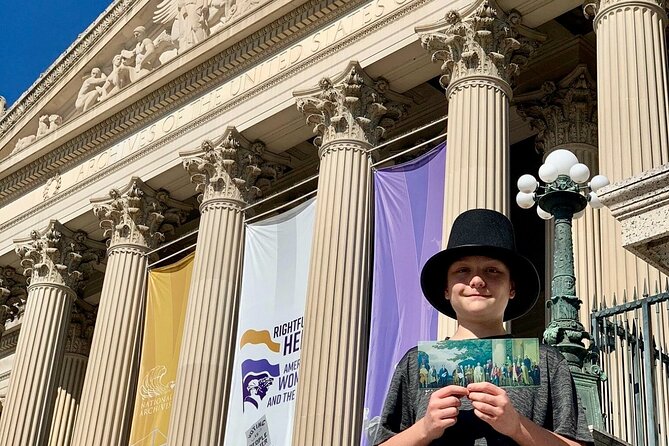
Reviewed · NATIONAL ARCHIVES TOURS
Family Friendly National Archives Building Private Tour
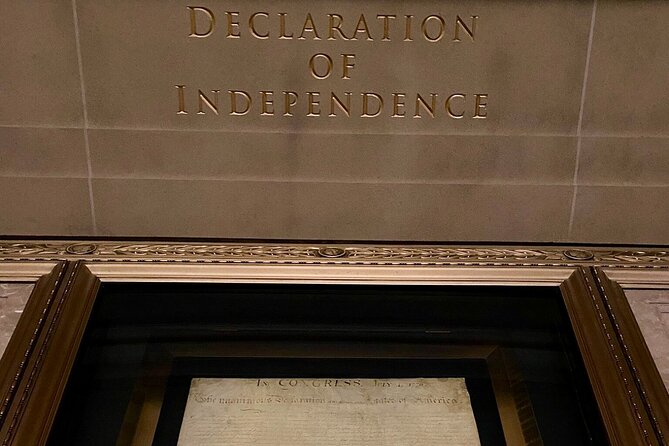
The original Declaration of Independence, Constitution, and Bill of Rights are the stars here, displayed in the National Archives Rotunda. You also see the Magna Carta of 1297, letters from George Washington and JFK, and Abraham Lincoln’s Emancipation Proclamation. It is a compact way to meet the documents behind American government.
I like the private format, with only your group of up to eight people, and I like the family focus. A guide such as Maribeth Oaks or Ryan can adjust the pace, answer questions, and connect what you see to school lessons. The main drawback is the price: at $271.89 per person, this is a serious splurge for a two-hour museum visit.
Key points to know
- Original founding documents: See the Declaration of Independence, Constitution, and Bill of Rights in the Rotunda.
- A private group of up to eight: Your guide works only with your party, not a large public group.
- Strong family appeal: Stories and questions help children, teens, and students follow the material.
- Guides with personal style: Maribeth Oaks is praised for her careful explanations, while Ryan brings local knowledge and an easy social manner.
- Two hours is focused but brief: You get a guided introduction to major documents, not an all-day museum visit.
- Plan for security and bags: Large bags and suitcases are not allowed, and occasional delays or closures can affect the visit.
Meeting America’s founding documents
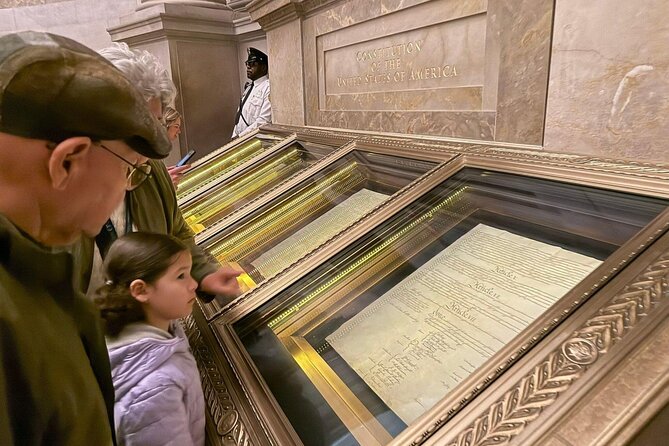
The National Archives is one of those museums where a small number of objects carry enormous weight. In the Rotunda, you can look directly at the original Declaration of Independence, Constitution, and Bill of Rights. These are not reproductions or wall graphics. They are the documents that helped define the country’s government and its stated ideals.
That makes this tour especially useful for families who want more than a quick photograph in front of a famous page. A guide can explain what you are looking at, why it mattered, and how the documents connect. Children may not read every line, but they can understand that these fragile pages helped shape daily life in the United States.
I would give the guide your group’s interests at the start. If your child is studying US history, say so. If your family is more interested in political ideas, slavery and emancipation, or famous presidents, that helps the guide choose where to spend the limited two hours.
The Rotunda is the emotional center of the visit, but it is also quiet and formal. You will need to respect museum rules, including any rooms where speaking is restricted. That is a small inconvenience, and your guide explains those limits before you enter.
More National Archives tours in Washington DC:
- VIP Best of DC with US Capitol + National Archives Reserved Entry
★ 4.5 · 2,491 reviews - Skip-the-line National Archives Building Exclusive Guided Tour
★ 5.0 · 381 reviews - National Archives Skip the Line Guided Tour Semi-Private 6ppl Max
★ 5.0 · 196 reviews
What you see during the two-hour visit
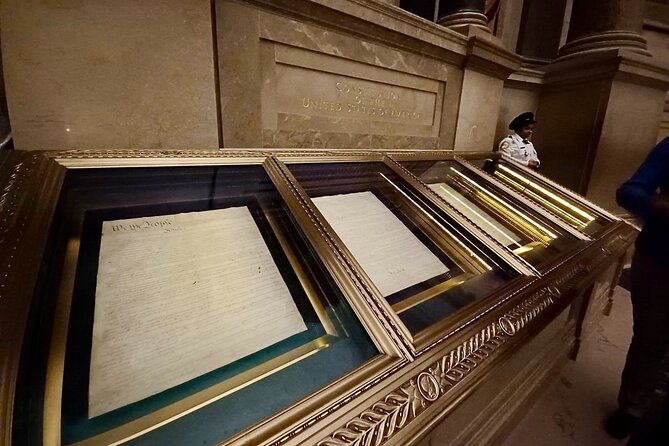
The main stop is the National Archives Museum at 701 Constitution Avenue NW. The full experience lasts about two hours and ends at the same location. There is no separate transfer between several attractions, so the schedule remains fairly simple.
The tour centers on several key documents and related material:
- The original Declaration of Independence
- The United States Constitution
- The Bill of Rights
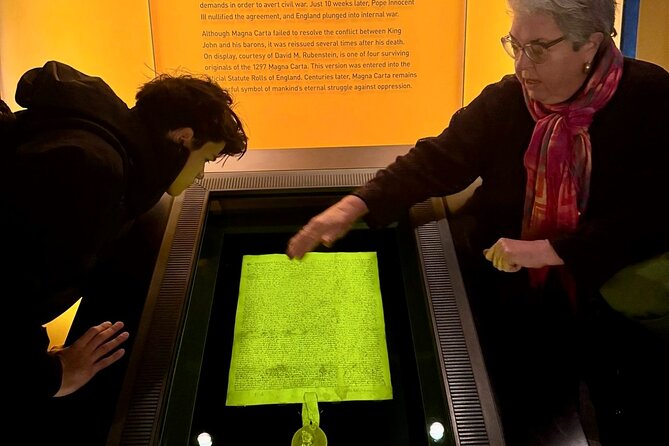
- The Magna Carta of 1297
- Letters from George Washington
- Letters from John F. Kennedy
- The Emancipation Proclamation signed by Abraham Lincoln
The founding documents naturally get the most attention. The Magna Carta adds useful earlier context. It shows that American ideas about law, rights, and government did not appear from nowhere. The document is much older than the United States and helps place the American founding in a longer story.
The presidential letters offer a different kind of connection. Instead of formal laws, you see the thoughts and handwriting of people who shaped the country at particular moments. The Emancipation Proclamation brings the subject toward the Civil War and Lincoln’s effort to help end slavery.
I appreciate that this mix gives the tour more range than a single-room look at the founding papers. At the same time, two hours is not enough for every collection. Some exhibits and collections may vary during the year, so do not treat the published highlights as a guarantee that every related object will be displayed on your date.
Why a private guide helps families
A family can walk through the Archives on its own, but a private guide changes the rhythm. Instead of reading every label and trying to decide what matters, you have one person selecting the main points and filling in the gaps.
That matters most with children and teens. The documents are visually powerful, but much of the text is small, formal, or difficult to read. A guide can turn a page into a story and pause when a child has a question. The private setting also lets your group move at a pace that suits your family rather than a fixed public group.
Maribeth Oaks receives especially strong praise for taking time with questions and giving careful explanations. Her approach suits a family that wants to linger over a document instead of racing from case to case. Ryan is described as sociable, local to the area, and able to connect with a family in a relaxed way.
Those details matter because a museum guide is not just a walking voice. The best guide for your party will notice when a child is losing interest, when a student wants more detail, or when an adult has a question that goes beyond the basic label. The tour is private, so you have a better chance of getting that kind of attention.
Still, the guide’s exact approach can vary. Maribeth and Ryan are named as guides associated with positive experiences, but you should not assume that either one will lead your booking unless the provider confirms it.
A useful visit for school-age children
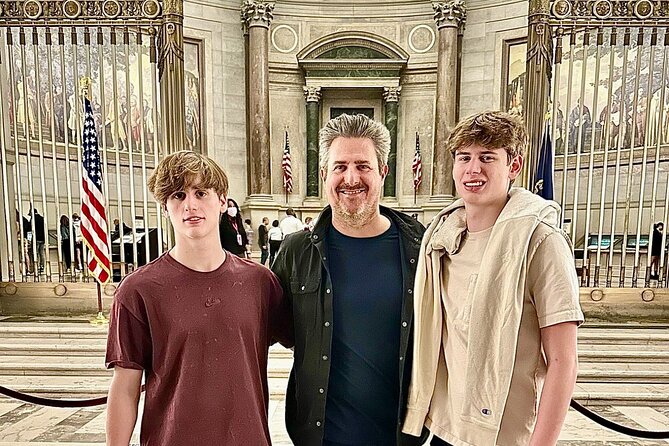
This is a good choice for families with children who have some interest in US history, civics, or famous leaders. One family specifically connected the visit with a daughter’s US history class, and that is the right age range to consider. The documents become more meaningful when a child already has a few basic ideas about the American Revolution, the Constitution, or the Civil War.
Younger children can still enjoy the visit, but the experience depends on the guide and the child’s attention span. Two hours in a quiet museum may feel long for a preschooler. The tour description is aimed at kids, teens, and families, yet it does not promise special hands-on activities or child-only exhibits.
I would prepare children with a few simple questions:
- What is a constitution supposed to do?
- Why do original documents matter?
- What rights are listed in the Bill of Rights?
- What problem was the Emancipation Proclamation trying to address?
You do not need a full history lesson before arriving. A little preparation simply gives children something to watch for. Ask them to spot signatures, compare the age of the Magna Carta with the American documents, or explain one idea they remember afterward.
The tour can also serve as a useful supplement to classroom study. It puts actual objects in front of a student who may otherwise encounter these subjects only in a textbook. That connection is valuable, even if your family spends more time looking than reading.
More family tours in Washington DC:
- Private Family-Friendly Bike Tour of DC
★ 5.0 · 83 reviews - Washington DC: Family Treasure Hunt River Cruise
★ 4.8 · 8 reviews - Washington DC Monuments self-guided walking tour & scavenger hunt
★ 3.5 · 6 reviews - Washington DC Museum of Natural History Private Family tour
★ 4.0 · 5 reviews
The value of a $271.89 private tour
At $271.89 per person, this experience costs much more than entering a museum on your own. The price reflects the private guide, the small group limit, and the focused attention rather than a long list of attractions.
For a group of two, the total is especially high. For a group of six or eight, the cost still adds up, but the private format may make more financial sense if you value a dedicated guide and do not want to join strangers. Group discounts are available, though the supplied details do not state the discount amount or the final price for each group size.
I would consider the cost reasonable only if at least one of these points matters to you:
- Your child or teen is studying US history.
- Your family prefers a private guide to a self-guided museum visit.
- You want to ask many questions and control the pace.
- You have limited time in Washington and want a focused introduction.
- You are marking a special trip and want more personal attention.
If you are mainly looking for a quick look at the famous documents, you may find the price hard to justify. The museum visit itself is the core attraction, and two hours is not a full day of touring. The tour gives you help with context and organization, not access to a long list of extra sites.
The admission ticket is included as part of the guided museum visit, and gratuity is optional rather than built into the price. Hotel pickup and drop-off are not included, so add your own transportation costs when comparing the total.
Getting there and handling the entrance
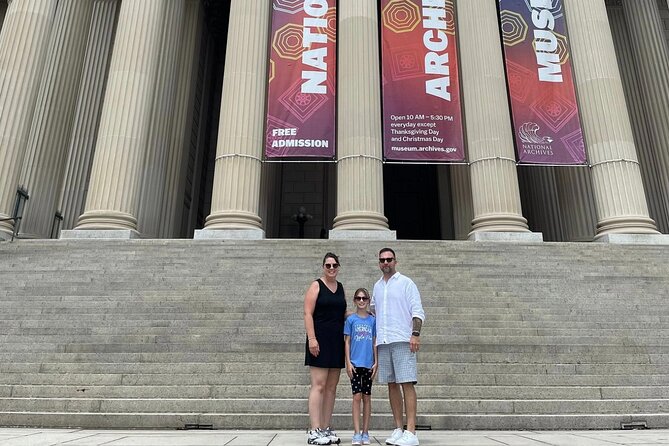
The meeting point is the National Archives Museum at 701 Constitution Avenue NW in Washington, DC. The museum is near public transportation, which makes it possible to reach without arranging a private vehicle. If you prefer a direct ride, the operator recommends Uber or a taxi because hotel pickup and drop-off are not part of the experience.
Plan to arrive with time to find the entrance and handle security. Large bags and suitcases are not allowed inside. Only handbags or small, thin backpacks can pass through security, so pack lightly and avoid bringing anything you do not need.
Security can create a line, even when a tour is promoted as having quick or direct access. Do not schedule a tight connection immediately after the visit. Museum management can also close the Archives or delay opening without advance warning. If opening is delayed by more than one hour, an appropriate alternative may be offered, but the stated terms do not provide a refund or discount for that situation.
Dress appropriately for entry into some sites on the tour. The museum is wheelchair friendly, and the activity is listed as requiring a moderate level of physical fitness. That combination suggests the visit is accessible for many people, but you should still share specific mobility needs when booking.
What the private format feels like
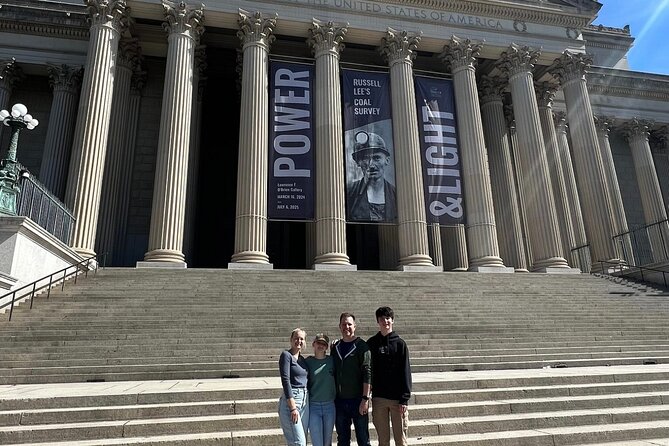
A maximum of eight people keeps the group small enough for real conversation. Your guide does not need to compete with a large crowd, and your family does not have to wait for a dozen other people to finish at each display.
That said, private does not mean completely informal. The Archives has quiet rooms and rules about speaking, and the documents are protected objects in a formal museum setting. You will need to listen, move carefully, and follow staff instructions.
The format is best for a family that wants to ask questions. One of the strongest features of the guide style described here is patience. Maribeth is praised for not rushing and for making sure the group could absorb what it was seeing. That is exactly the quality I would want when looking at documents that may appear familiar from school but become more powerful in person.
Ryan’s sociable manner may suit a family that wants a lighter exchange while still learning a great deal. The experience is educational, but it does not need to feel like a classroom lecture. Ask questions freely, especially if your children are making connections between the documents.
Cancellation and practical booking notes
You receive confirmation at the time of booking, and the tour is offered in English with a mobile ticket. It is a private activity, so only your own group participates.
Free cancellation is available if you cancel at least 24 hours before the local start time. A cancellation made less than 24 hours in advance is not refundable, and changes within that same period are not accepted. I would check your family’s schedule carefully before the final day, especially if your Washington plans depend on weather or other timed attractions.
The tour is booked, on average, nine days ahead. That is not a guarantee of availability, but it is a useful planning signal. If you want a private guide for a particular date, especially during a busy family trip, booking ahead is sensible.
Who should book this National Archives tour?
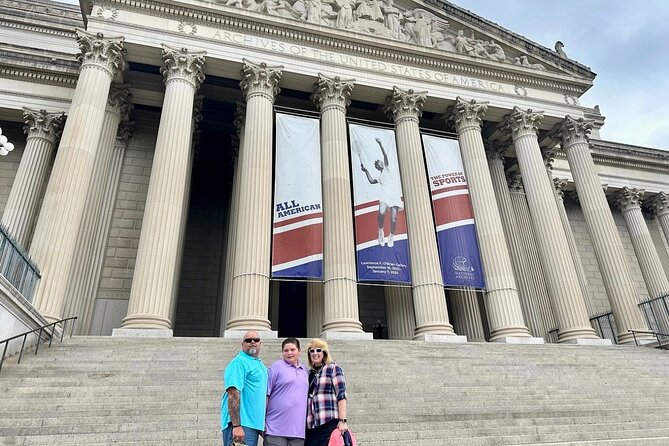
I would recommend it most strongly to families with school-age children or teens, especially those studying US history. It also suits adults who want a guide to explain the documents rather than reading museum text on their own.
The tour is less convincing for budget-minded visitors, repeat museumgoers, or anyone who wants a broad survey of many Washington attractions in one outing. You pay for personal attention, not for a packed sightseeing route.
Book it if the original documents are a major priority and you want the visit shaped around your own family. Skip it if you only want a fast look at the Rotunda and are comfortable exploring independently. The price is high, but the private pace, family focus, and chance to ask direct questions can make it worthwhile for the right group.
FAQ
Where does the National Archives private tour start?
It starts at the National Archives Museum, 701 Constitution Ave. NW, Washington, DC 20408, USA.
Where does the tour end?
The activity ends back at the National Archives Museum meeting point.
How long does the tour last?
The tour lasts approximately two hours.
What documents can I see?
The visit includes the original Declaration of Independence, Constitution, and Bill of Rights. It also includes the Magna Carta of 1297, letters from George Washington and JFK, and the Emancipation Proclamation signed by Abraham Lincoln.
How many people can join the private tour?
A maximum of eight people is permitted per tour. Only your own group participates.
Is the tour wheelchair friendly?
Yes. The tour is listed as wheelchair friendly.
Is transportation from my hotel included?
No. Hotel pickup and drop-off are not included. Uber or a taxi is recommended for reaching the museum if needed.
Can I cancel for a full refund?
Yes, if you cancel at least 24 hours before the experience start time. Cancellations made less than 24 hours in advance are not refunded, and changes during that period are not accepted.
Just added in Washington DC
- Washington DC: Express Morning or Night-Time Monuments Tour★ 3.2 · 3 reviews
- Washington, DC: Georgetown Architecture Walking Tour★ 5.0 · 8 reviews
- Washington D.C.: Georgetown Guided Secret Food Tour★ 3.9 · 7 reviews
- Washington DC: E-Bike Rental★ 4.3 · 7 reviews
- Washington DC: Christmas Eve Gourmet Brunch or Dinner Cruise★ 4.2 · 6 reviews
- Washington DC Day Tour – Private Tour★ 4.1 · 3 reviews
- Washington DC: After Dark Night-Time Sightseeing Tour★ 3.8 · 6 reviews
- Washington DC: Best of Capitol Hill Guided Bike Tour★ 3.2 · 7 reviews
National Archives Tours, compared.

VIP Best of DC with US Capitol + National Archives Reserved Entry
Read our review →
Skip-the-line National Archives Building Exclusive Guided Tour
Read our review →
National Archives Skip the Line Guided Tour Semi-Private 6ppl Max
Read our review →
VIP National Archives Skip-The-Line Guided Tour 6 ppl Max
Read our review →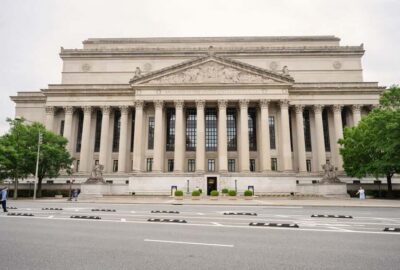
National Archives + American History Museum Tour 8ppl Max
Read our review →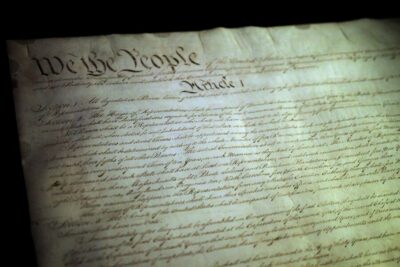
National Archives Skip the Line Tour Semi-Private 6ppl Max
Read our review →Browse the lists this tour appears in