
Reviewed · SMITHSONIAN MUSEUM TOURS
National Archives + National Portrait Gallery Tour 6ppl Max
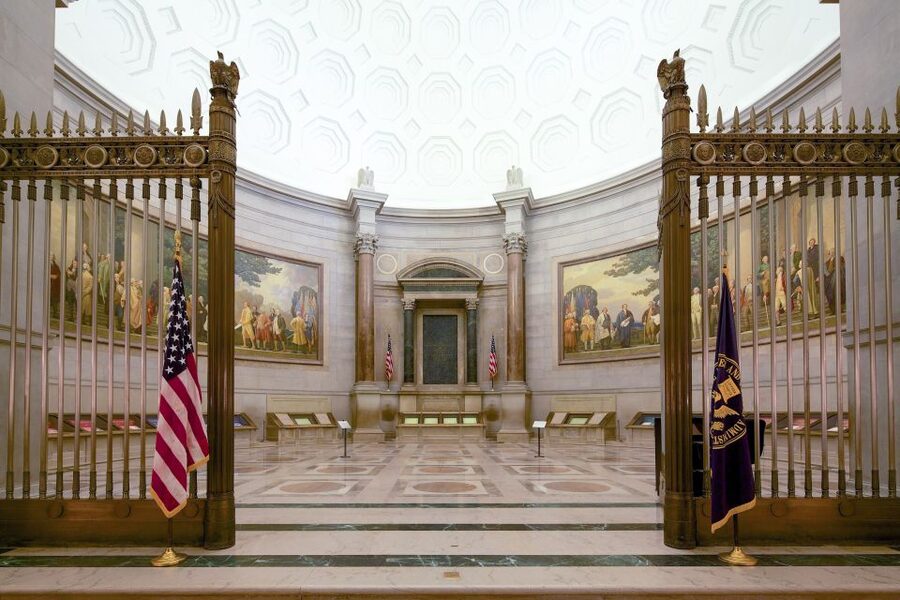
The most powerful moment here comes early: you stand before the original Declaration of Independence, Constitution, and Bill of Rights in the National Archives Rotunda. These are not copies behind a screen. They are the fragile handwritten documents that set the rules, ideals, and arguments of the United States in motion. I like the small-group format and the chance to connect those famous papers with the 1297 Magna Carta and Rosa Parks materials. I also like that the second half moves beyond presidents to Mary Cassatt, Edward Hopper, Andy Warhol, and Norman Rockwell.
The main caution is the price, $174 per person, and the length. At 330 minutes, this is a serious half-day outing, not a quick museum stop. A past 2 out of 5 booking account also described trouble hearing and losing the guide during a separate Capitol-related portion, so stay close to your guide and confirm the exact route when you book. The published experience here focuses on the Archives and Portrait Gallery.
Key points to know before booking
- Original founding documents: See the Declaration of Independence, Constitution, and Bill of Rights in the National Archives Rotunda.
- A 1297 Magna Carta: The Rubenstein Gallery adds useful context about the older legal ideas behind American government.
- Two Smithsonian collections: The National Portrait Gallery and American Art Museum share one building, with the Kogod Courtyard at its center.
- Presidents and artists: Expect presidential portraits, famous Americans, and works by Cassatt, Hopper, Warhol, and Rockwell.
- Small groups: The experience is offered as a private or small-group tour, with the supplied details stating no more than eight people. The title says six people maximum, so confirm the exact group size.
- A long, structured visit: Plan on 330 minutes, including two guided sessions and a break for food or a drink.
Why the National Archives makes a strong first stop
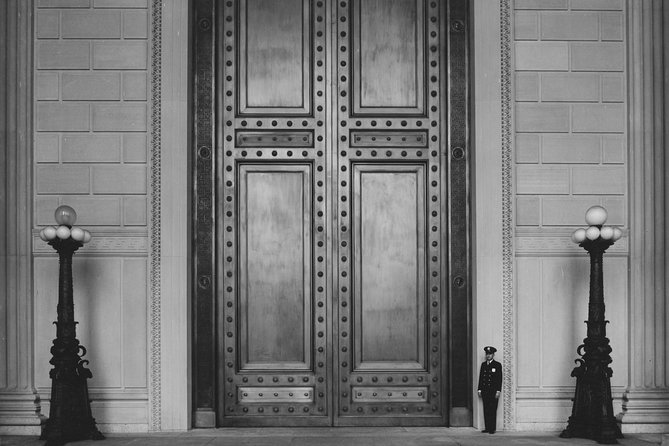
Start at the bottom of the front stairs of the National Archives Building on Constitution Avenue NW. This is an easy meeting point, but arrive ready for security. Large bags and luggage are not allowed, though a handbag or small, thin backpack is permitted. Bring a valid photo ID or passport.
The tour begins with skip-the-line access, which matters most when downtown Washington is busy. You avoid spending your first part of the visit waiting outside and can get to the main attraction sooner. Entry procedures can still take time, so comfortable shoes and a little patience are sensible.
Inside the Rotunda, the focus is on the three founding documents known as the Charters of Freedom: the Declaration of Independence, the Constitution, and the Bill of Rights. Seeing the handwriting, worn paper, and formal presentation gives these familiar schoolbook pages a physical presence. Your guide adds the political circumstances around their creation, helping you see that the nation was built through debate and compromise, not by a single clean plan.
I find a guided visit especially useful here because the documents are visually quiet. The text is small, and the room can feel solemn rather than entertaining. A guide helps point out what matters and explains why these papers still shape arguments over rights, government power, and citizenship.
The museum also displays paintings and other material that give the founding period more context. That extra framing is important. It keeps the Rotunda from becoming a quick photo stop and helps connect the documents to the people and conflicts surrounding them.
More National Archives tours in Washington DC:
- VIP Best of DC with US Capitol + National Archives Reserved Entry
★ 4.5 · 2,491 reviews - Skip-the-line National Archives Building Exclusive Guided Tour
★ 5.0 · 381 reviews - National Archives Skip the Line Guided Tour Semi-Private 6ppl Max
★ 5.0 · 196 reviews
The Bill of Rights and the question of citizenship
The Bill of Rights is one of the clearest reasons to take this tour with a guide. Most people recognize the first ten amendments, but seeing the original document can prompt a more careful question: who was protected by these promises at the time, and who was left out?
The tour continues in the Rubenstein Gallery, where you see a 1297 copy of the Magna Carta. This document predates the United States by centuries, yet it helps explain older ideas about law, authority, and limits on rulers. The point is not that the Magna Carta created American democracy in its modern form. Its value is that it shows part of the long argument over whether government must answer to law.
Materials connected to Rosa Parks bring the discussion forward into the civil rights era. Placing those items near the founding documents encourages you to think about citizenship as something that has been contested and expanded over time. The central American promise that people possess basic rights has never been applied evenly or without protest.
This section is one of the strongest parts of the experience because it adds tension to the usual patriotic story. You are not simply shown famous documents and told to admire them. You are asked to consider the gap between an ideal and its application.
Some rooms may require quiet, and speaking may be restricted. Your guide is expected to explain those limits before you enter. That can make the visit feel less like a free-flowing conversation, but it protects the atmosphere and keeps the museum respectful.
The break between the two museums
After the Archives portion, you get a break before meeting for the second guided session. Food and drinks are not included, so plan to buy your own meal or snack. The available information does not specify a restaurant or the exact length of this pause, so ask your guide for timing and nearby options at the start.
This break matters because the full activity lasts 330 minutes. The first museum asks you to concentrate on small details and serious political ideas. A short pause gives you time to reset before moving into portraiture and American art.
Bring water, especially in summer, and consider an umbrella if rain is likely. Washington weather can make even a short walk between indoor stops unpleasant. Comfortable shoes are more important than dressy ones here.
Presidential portraits at the National Portrait Gallery
The second guided session takes place at the Smithsonian National Portrait Gallery and the Smithsonian American Art Museum. Both collections occupy the same building, so you can move between them without making another cross-town museum trip.
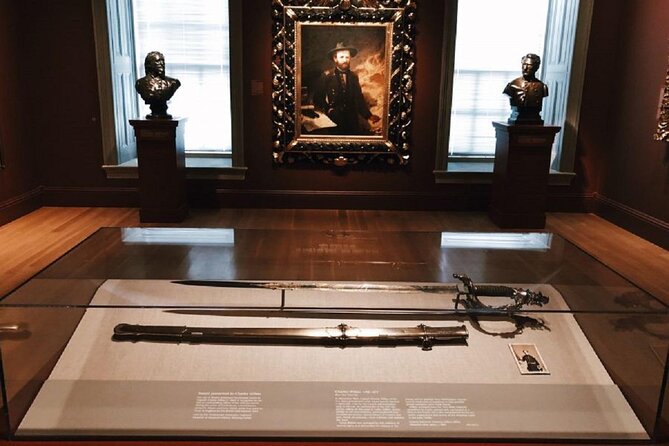
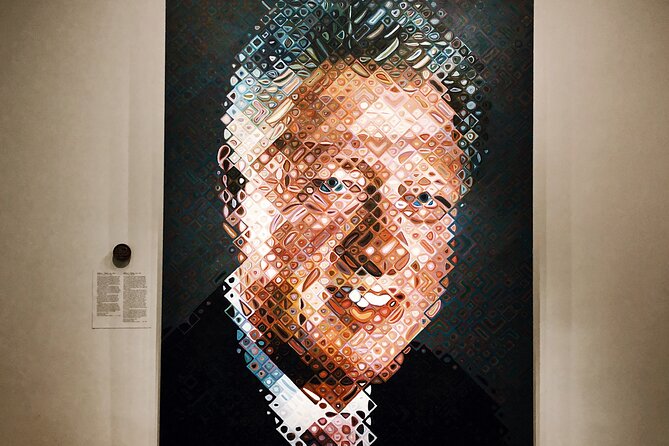
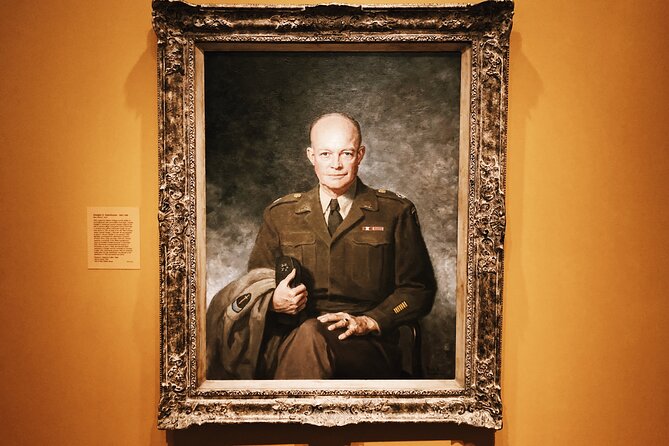
The Presidential Portrait Gallery is the obvious anchor. You will see portraits of American presidents and hear stories about the people behind the official images. Portraits are useful historical evidence because they reveal how a president wanted to be seen, how an artist interpreted that public image, and how later generations remember the subject.
A guided visit can make the presidential collection more engaging than a room-by-room walk on your own. You may find that the most interesting details are not the famous names alone, but the choices of pose, clothing, expression, and setting. The portraits show power as performance, not just as a list of officeholders.
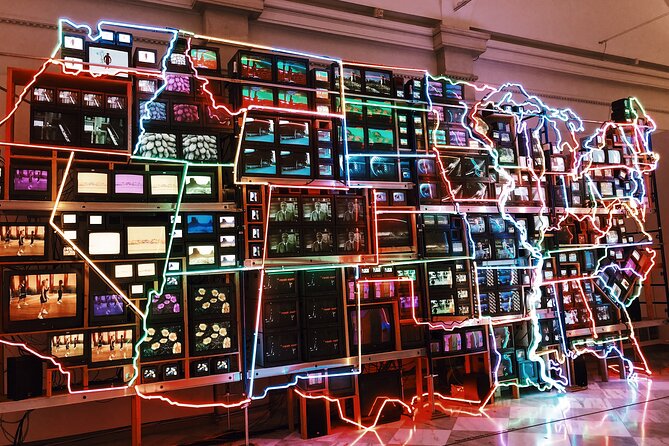
The museum also presents other well-known Americans through painting, sculpture, and video. This broader collection prevents the second half from becoming a parade of presidents. The country’s story appears through political figures, artists, activists, performers, and cultural leaders.
The building’s Kogod Courtyard is another welcome feature. It offers a calm indoor space in the middle of downtown Washington, with room to sit and collect your thoughts. Its location between the two collections makes it a natural pause point during the tour.
More Smithsonian museum tours in Washington DC:
- Guided African American History Tour with Reserved Museum Entry
★ 4.5 · 1,180 reviews - Smithsonian Museum of Natural History – Exclusive Guided Tour
★ 5.0 · 446 reviews - African American History Tour with Museum of African American History Ticket
★ 4.5 · 390 reviews - Washington, DC: African American History Tour & Museum Entry
★ 4.9 · 312 reviews
American art from Cassatt to Warhol
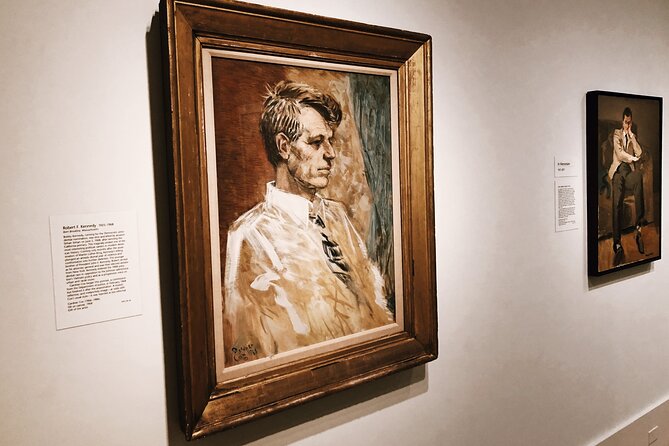
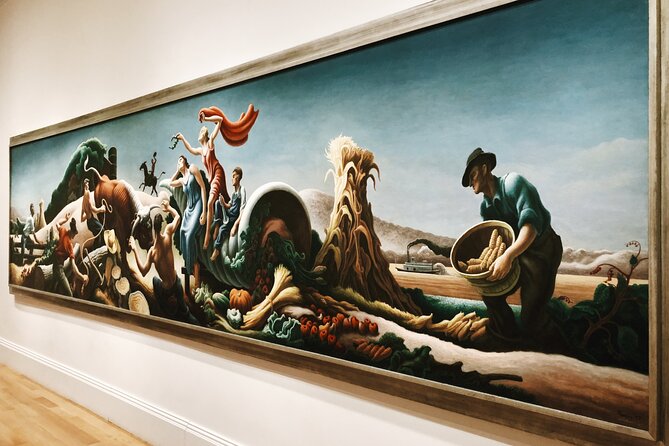
The American Art Museum section changes the mood. Here, the focus is not only on public figures but also on how American artists have represented everyday life, work, cities, landscapes, and modern culture.
The named highlights include Mary Cassatt, Edward Hopper, Andy Warhol, and Norman Rockwell. They represent very different approaches. Cassatt is associated with intimate domestic scenes, Hopper with quiet moments and emotional distance, Warhol with mass culture and repeated images, and Rockwell with recognizable American storytelling.
You should not expect a complete survey of American art in one visit. A two-hour highlights tour can only offer selected works and broad connections. Its strength is helping you find your bearings in a large collection and showing you pieces you might otherwise walk past.
The Luce Center is part of this portion of the visit. It gives you a chance to see a wide range of American works in a more open display. The tour also mentions a view into the labs of the Lunder Conservation Center, where museum specialists work to preserve art.
That conservation element adds a useful behind-the-scenes angle. Museums can make art look permanent, but paintings and objects need constant care. If the conservation area is visible during your visit, it offers a reminder that preservation involves careful technical work, not just display cases and wall labels.
What the guide adds to the experience
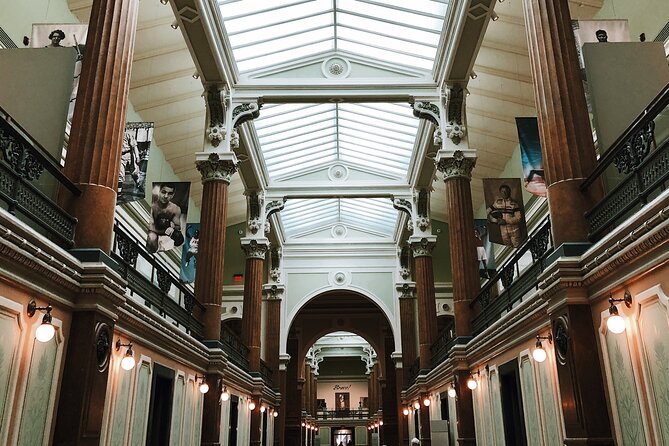
The tour includes a local English-speaking guide for both museum visits. That continuity is helpful because the two stops are linked by a broad theme: how the United States defines its ideals and represents its people.
At the Archives, the guide can place documents in political and legal context. At the Portrait Gallery and American Art Museum, the guide can explain why particular people and artworks matter. The two subjects are different, but together they give you a more complete look at American identity than either museum alone.
The small-group setup should also make it easier to ask questions than on a large coach tour. The published information describes private or small-group options, with no more than eight people in the included details. The product title says six people maximum, so confirm the number attached to your chosen option before paying.
There is one practical warning from an earlier booking account. The writer described a guide named Jennifer during a Capitol-related part of a trip, then reported difficulty hearing the guide and losing contact with her during the Archives portion. The current experience description does not include a Capitol visit, but the account still gives useful advice: stay near the guide, speak up if you cannot hear, and keep the guide’s phone number available.
Contact information is sent by email by the morning of the tour under Babylon Tours. Check your spam folder, and save the number before leaving your hotel.
Is $174 per person a fair price?
At $174, this is not the economical way to visit these museums. Both institutions can be visited independently, and many Washington museums offer free admission. The price pays for the guide’s time, the structure of two guided sessions, small-group attention, and skip-the-line access at the Archives.
The value depends on how you like to see museums. If you prefer to read labels quietly, set your own pace, and stay with only the works that interest you, the cost may be hard to justify. You can visit much of the same material on your own for less.
I see stronger value for a first-time Washington visitor with limited time. In one organized outing, you cover the nation’s founding documents, the Magna Carta, Rosa Parks material, presidential portraits, major American artists, and the conservation center. You also avoid spending part of the day deciding which rooms deserve your attention.
The long duration is both benefit and drawback. You get a substantial look at two major institutions, but you need the energy for nearly five and a half hours. The tour is not a good choice if you want a light morning activity or if you tire quickly in museums.
Who should book this tour?
This experience fits you best if you want American political history and art in the same outing. It is especially useful for first-time visitors who want a guide to connect the major ideas rather than simply point out famous objects.
It also suits people who like small groups and direct questions. A private option may make sense for families, couples, or friends who want more control over the discussion, though the supplied information does not state the private-option price.
You should think twice if you are mainly interested in the Capitol, since the published route centers on the National Archives, National Portrait Gallery, and American Art Museum. One old account referred to a Capitol segment, but that does not appear in the experience described here.
Wheelchair users should note that the activity is marked as unsuitable, though you can ask about an accessible arrangement when booking. The museum may also close sections without warning. If the National Archives closes, an alternative or full refund is offered.
Should you book it?
Book this tour if you want a guided, half-day introduction to American ideals, political figures, and art, and you value having someone select the key rooms for you. The Magna Carta and Rosa Parks material give the Archives visit more depth than a quick look at the Rotunda, while the portrait and art collections keep the day from being narrowly political.
Skip it if you are comfortable touring museums alone or if $174 feels too high for access to mostly free institutions. In that case, visit the Archives and Portrait Gallery independently, carry only a small bag, and spend your money on a meal or another paid Washington attraction.
If you do book, confirm the group limit, verify that the route is the Archives plus Portrait Gallery and American Art Museum, bring photo ID, and save the guide’s phone number. Those small checks will help you get the most from a long and worthwhile day.
FAQ
Where does the tour meet?
Meet at the bottom of the front stairs of the National Archives Building on Constitution Avenue NW.
How long does the activity last?
The total duration is 330 minutes, or five and a half hours.
What museums are included?
The experience includes a guided visit to the National Archives, followed by a guided visit to the National Portrait Gallery and Smithsonian American Art Museum.
What can I see at the National Archives?
You can see the original Declaration of Independence, Constitution, and Bill of Rights in the Rotunda. The tour also includes the 1297 Magna Carta in the Rubenstein Gallery and a citation connected to Rosa Parks.
Which artists are included in the art portion?
The highlighted artists are Mary Cassatt, Edward Hopper, Andy Warhol, and Norman Rockwell. The tour also includes the Luce Center and a chance to look into the Lunder Conservation Center labs.
Is food included?
No. Food and drinks are not included, though there is a break between the two guided museum visits.
What should I bring?
Bring a valid photo ID or passport, comfortable shoes, water, and an umbrella if rain is possible. Large bags and luggage are not allowed, but you can bring a handbag or small, thin backpack.
Can I cancel the booking?
You can cancel up to 24 hours in advance for a full refund. You can also reserve now and pay later, subject to availability and booking terms.
More Museum Tours in Washington DC
- National Mall Tour with 10 Stops & U.S. Capitol or Museum Entry
★ 4.5 · 331 reviews - Smithsonian Museums Walking Tour with Reserved Air & Space Entry
★ 5.0 · 297 reviews - Capitol Combo: U.S. Capitol + Library Congress or Capitol Museum
★ 4.5 · 294 reviews - U.S. Capitol Tour with Library of Congress or Capitol Museum
★ 4.0 · 286 reviews
Just added in Washington DC
- Washington, DC: Georgetown Architecture Walking Tour★ 5.0 · 8 reviews
- Washington D.C.: Georgetown Guided Secret Food Tour★ 3.9 · 7 reviews
- Washington DC: Express Morning or Night-Time Monuments Tour★ 3.2 · 3 reviews
- Washington DC: E-Bike Rental★ 4.3 · 7 reviews
- Washington DC: Christmas Eve Gourmet Brunch or Dinner Cruise★ 4.2 · 6 reviews
- Washington DC Day Tour – Private Tour★ 4.1 · 3 reviews
- Washington DC: After Dark Night-Time Sightseeing Tour★ 3.8 · 6 reviews
- Washington DC: Best of Capitol Hill Guided Bike Tour★ 3.2 · 7 reviews
Smithsonian Museum Tours, compared.
Guided African American History Tour with Reserved Museum Entry
Read our review →
Smithsonian Museum of Natural History – Exclusive Guided Tour
Read our review →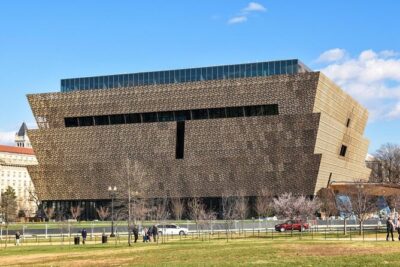
African American History Tour with Museum of African American History Ticket
Read our review →

Smithsonian Museums Walking Tour with Reserved Air & Space Entry
Read our review →
Smithsonian Museum of American History Exclusive Guided Tour
Read our review →
The Smithsonian National Air & Space Museum Exclusive Guided Tour
Read our review →
Smithsonian Museum of Natural History Small Group Tour: 8ppl Max
Read our review →Browse the lists this tour appears in