
Reviewed · SMITHSONIAN MUSEUM TOURS
National Archives & Museum of American History Guided Tour
Washington’s best museum pairing begins with the nation’s founding papers and ends with the objects that shaped its public memory. At the National Archives, you’ll see the original Declaration of Independence, Constitution, and Bill of Rights, then continue to the American History Museum for the Star-Spangled Banner, Dorothy’s ruby slippers, First Ladies’ gowns, and Abraham Lincoln’s theater hat.
I like the small group limit of eight, which gives your guide room to answer questions instead of shouting over a crowd. I also like the clear historical arc, from a 1297 Magna Carta to the flag that inspired the national anthem. The drawback is the price: at $166 per person, this makes sense mainly if you want focused guidance and efficient museum visits, not simply entry.
Key points at a glance
- See the original founding documents in the National Archives Rotunda, including the Declaration of Independence, Constitution, and Bill of Rights.
- Study a 1297 Magna Carta in the Rubenstein Gallery and connect it to the ideas behind American citizenship.
- Visit two major museums in one half-day, with about two hours devoted to each.
- View the Star-Spangled Banner, George Washington’s sword, Lincoln’s top hat, and Dorothy’s ruby slippers.
- Travel with no more than eight people, or book a private tour for a more personal pace.
- Plan for moderate walking, no large bags, and a food break that you arrange yourself.
From the founding papers to ruby slippers
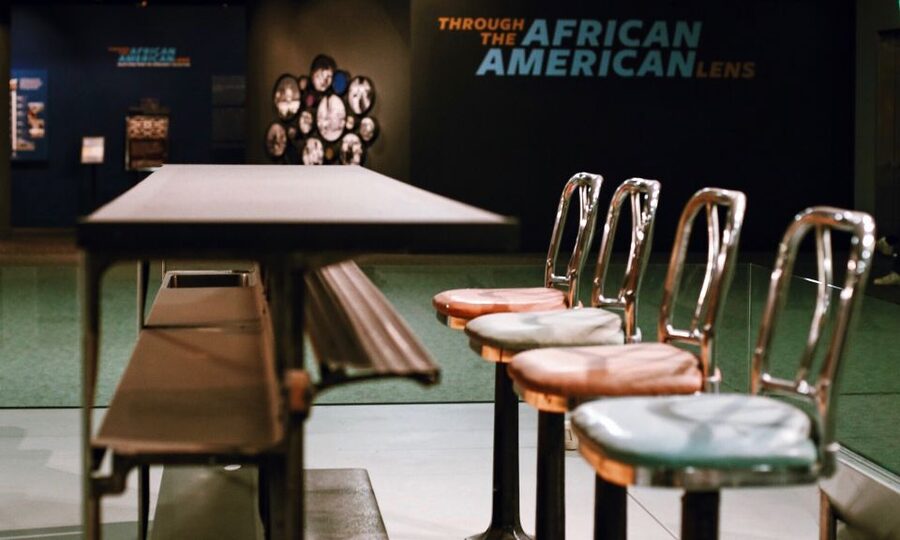
This tour tells the American story through objects rather than just dates. You begin with the words that created the new republic, then move toward the symbols, people, and popular memories that helped shape the country afterward.
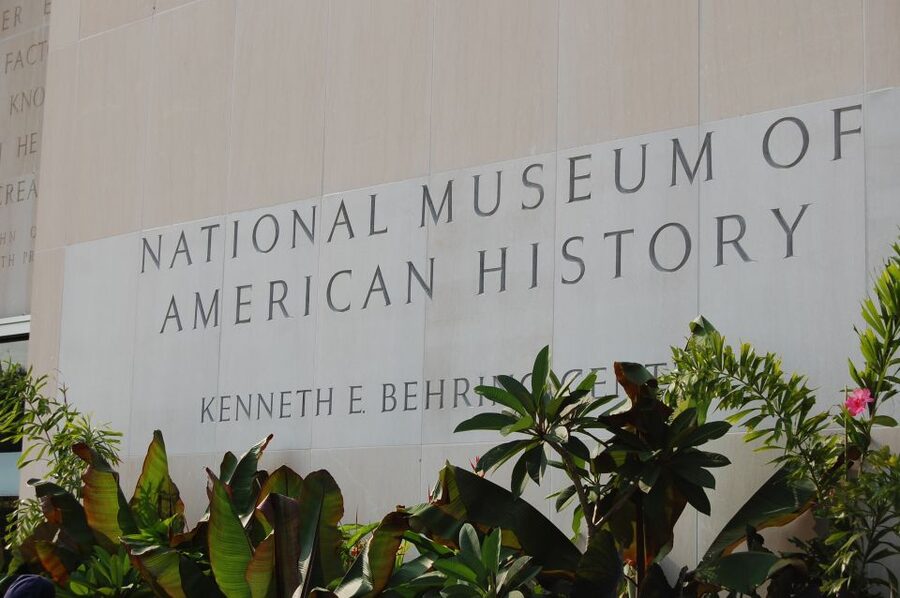
That order matters. The National Archives gives you the formal beginning: declarations, laws, and principles. The National Museum of American History adds the human and cultural layer. Its collection includes clothing, military objects, presidential items, and pop culture artifacts that help explain how Americans remember their past.
You spend about 5.5 hours on the experience, with roughly two hours at each museum and time in between for a break. That is long enough to get more than a quick look, but not so long that you must attempt every gallery. I see this as a guided highlights visit, not a complete survey of either museum.
More National Archives tours in Washington DC:
- VIP Best of DC with US Capitol + National Archives Reserved Entry
★ 4.5 · 2,491 reviews - Skip-the-line National Archives Building Exclusive Guided Tour
★ 5.0 · 381 reviews - National Archives Skip the Line Guided Tour Semi-Private 6ppl Max
★ 5.0 · 196 reviews
Meeting at the National Archives on Constitution Avenue
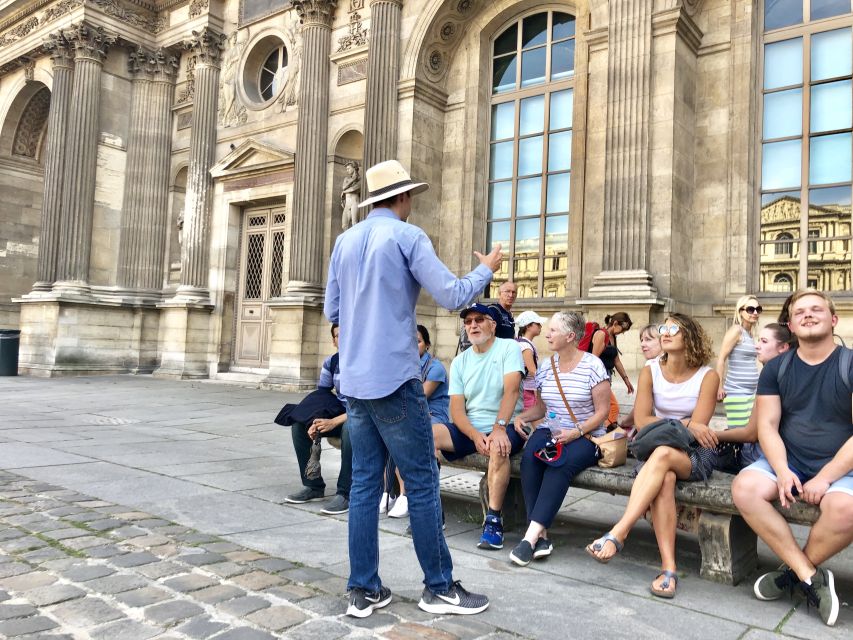
Your tour starts at the bottom of the front stairs of the National Archives Building on Constitution Avenue NW. This is a useful meeting point because it puts you right at the first museum rather than wasting time on a hotel pickup or a long transfer.
You’ll need comfortable shoes. The day includes a moderate amount of walking, and both museums reward alert eyes and patience. Bring water and an umbrella, since weather can affect the time you spend outside or moving between locations.
Do not bring luggage or large bags. Hotel pickup and drop-off are not included, so you’ll need to reach the Archives on your own and make your own way home after the tour returns to the meeting point.
The guide’s contact details are sent by email by the morning of the tour. Check your spam folder if you do not see them, and save the number in case you need help finding the group or have an urgent question.
The National Archives Rotunda and the Charters of Freedom
The first major stop is the Rotunda, where the original Declaration of Independence, Constitution, and Bill of Rights are displayed. These are not reproductions or later printed versions. You are looking at the handwritten documents that helped define the new nation.
The room gives these papers plenty of visual weight, but the text itself can be difficult to read from a distance. This is where a guide adds real value. Instead of simply pointing out the documents, your guide explains the circumstances behind them and the people, places, and events tied to their creation.
The Declaration is the emotional centerpiece for many visitors. Its statement that all men are created equal is powerful, but the guide also helps you consider the gap between that principle and the people excluded from early American citizenship. That tension is not a side note. It is central to understanding the country’s founding.
The Constitution shifts the focus from ideals to government. You can think about how the document organized power and how later generations argued over its meaning. The Bill of Rights brings the discussion closer to daily life, since its protections still shape debates over speech, religion, privacy, and the role of government.
This portion works best if you take time to look closely, listen, and ask questions. The display is relatively compact, but its subject is enormous. A guide helps keep the visit from becoming a quick photo stop.
The 1297 Magna Carta in the Rubenstein Gallery
The tour also includes the Rubenstein Gallery, where you can see a 1297 copy of the Magna Carta. It predates the American founding by centuries and helps place the United States within a much longer argument about law, government, and individual rights.
I like this part because it prevents the founding documents from seeming to appear out of nowhere. The American experiment drew on earlier ideas about limits on power and the rights of subjects. The Magna Carta does not explain everything about the United States, but it gives you useful context before you move on.
Your guide will also raise the question of citizenship. Who counted as part of the nation when the Declaration was written? Who was left out? How did those boundaries change over time? These are serious questions, but the museum setting makes them easier to explore through specific documents and objects.
The Archives includes paintings and other material that add detail to the founding era. The benefit of having a guide here is selection. You are not asked to read every label or make sense of every display alone.
More Smithsonian museum tours in Washington DC:
- Guided African American History Tour with Reserved Museum Entry
★ 4.5 · 1,180 reviews - Smithsonian Museum of Natural History – Exclusive Guided Tour
★ 5.0 · 446 reviews - African American History Tour with Museum of African American History Ticket
★ 4.5 · 390 reviews - Washington, DC: African American History Tour & Museum Entry
★ 4.9 · 312 reviews
A break between museums
After the Archives, you get a break before visiting the American History Museum. Food and drinks are not included, so plan to buy something on your own or bring a suitable snack if your schedule allows.
The information for this experience does not set out a specific restaurant or meal stop, so do not count on a provided lunch. Ask your guide about timing at the start of the day if you need to plan around dietary needs or a fixed meal schedule.
This pause is useful. Five and a half hours is a substantial museum outing, and a short reset can help you stay focused for the second half. If you are traveling with children or anyone who tires easily, the break also gives you a chance to adjust your pace.
The American History Museum’s famous objects
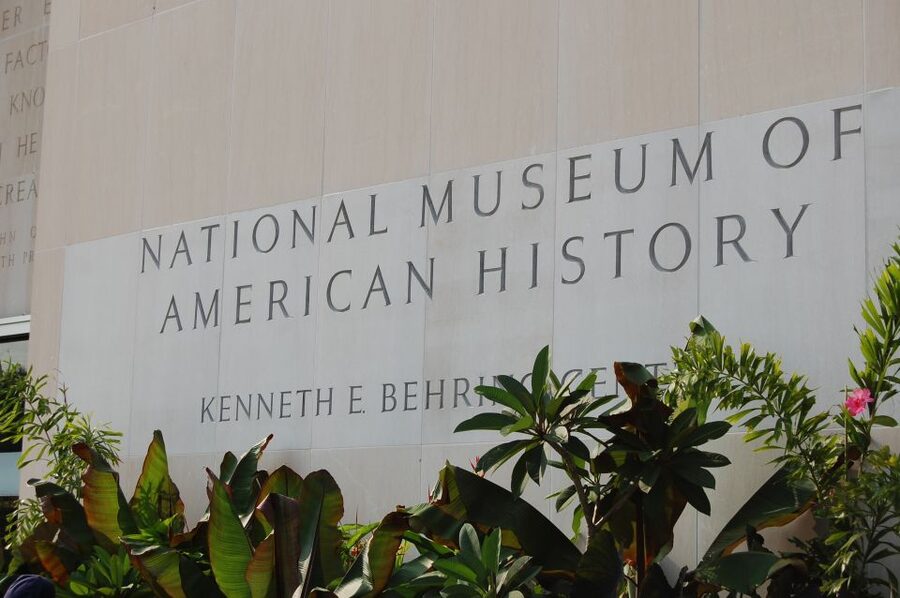
The second museum changes the mood. At the National Museum of American History, the story is told through objects that have become familiar symbols of the country.
The Star-Spangled Banner is the major stop. This is the flag associated with Fort McHenry and the poem that later became the national anthem. Seeing the actual flag gives the anthem a physical setting. You are not just hearing about Francis Scott Key or a wartime moment. You are looking at the object tied to the story.
The flag is also a reminder that national symbols are constructed through memory. The museum can show where the object came from, while your guide explains why it continues to carry such force.
You’ll also see George Washington’s sword. It brings the founding period into a more personal scale. A sword is not a document or an abstract principle. It is a physical object connected to a particular leader and the military world around the Revolution.
Abraham Lincoln’s top hat adds another layer. It is associated with the night he went to Ford’s Theatre, making it one of the most intimate objects in the museum’s collection. You may find that small personal items create a stronger emotional response than large official displays.
Dorothy’s ruby slippers and the First Ladies exhibit
The First Ladies exhibition is one of the museum’s best-known areas and has been its most visited exhibition. It covers the public role of presidential spouses through clothing and other objects.
The dresses help you consider how First Ladies presented themselves, how public expectations changed, and how fashion became part of political life. This is not just a display of attractive gowns. It reflects changing ideas about women, status, public service, and the presidency.
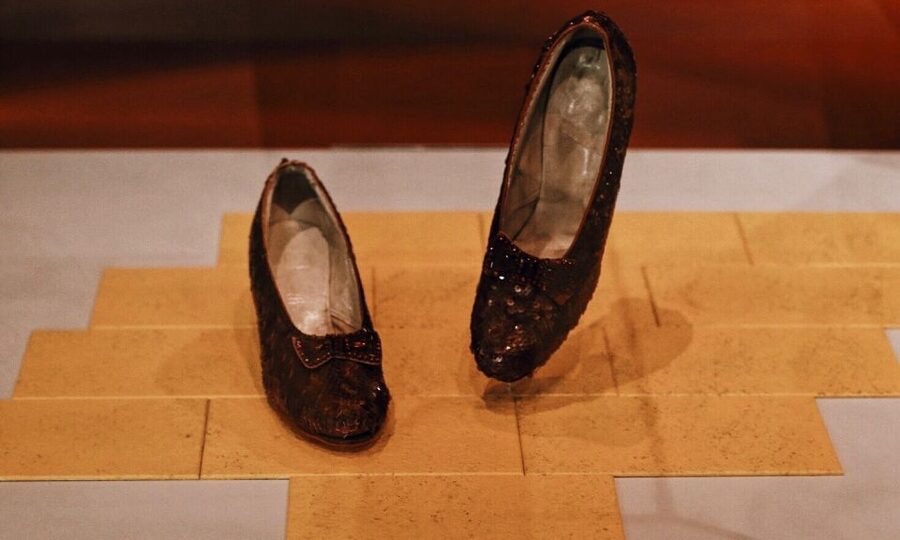
Dorothy’s ruby slippers from The Wizard of Oz are another major draw. They are displayed not far from Lincoln’s hat, an amusing contrast that also makes a larger point. American identity is built from both solemn political memories and shared popular culture.
The slippers are especially useful for understanding why museums preserve objects that are not government papers or military relics. For many people, the shoes connect to childhood, movies, and a common cultural memory. That personal connection is part of the nation’s story too.
Your guide will point out why these particular objects matter among hundreds of thousands in the collection. That explanation can make the museum feel less like a warehouse of famous things and more like a record of what people choose to remember.
What the small group format adds

The tour is offered as a private or semi-private experience, with no more than eight people. That is a strong feature for anyone who wants to ask questions or stay with a particular topic for a few extra minutes.
A group of eight is still large enough to have energy, but small enough for the guide to keep track of everyone. You are less likely to lose the thread of the tour than in a large public group, and the guide can explain why an object matters rather than rushing through a checklist.
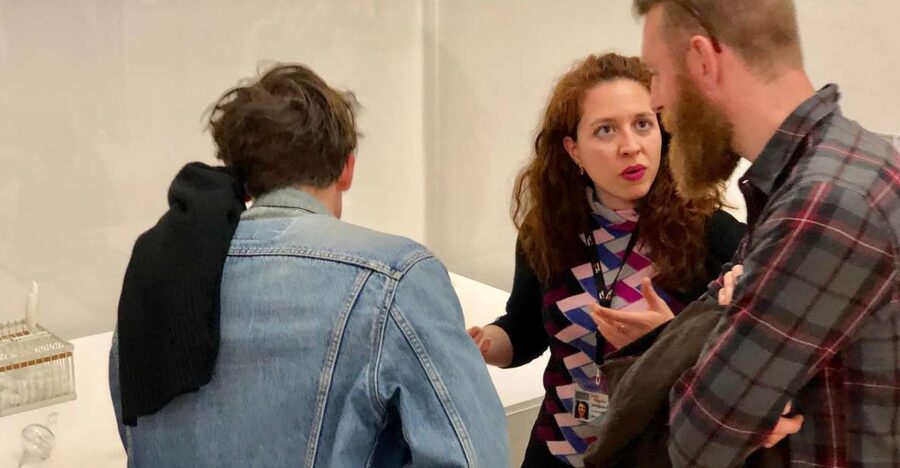
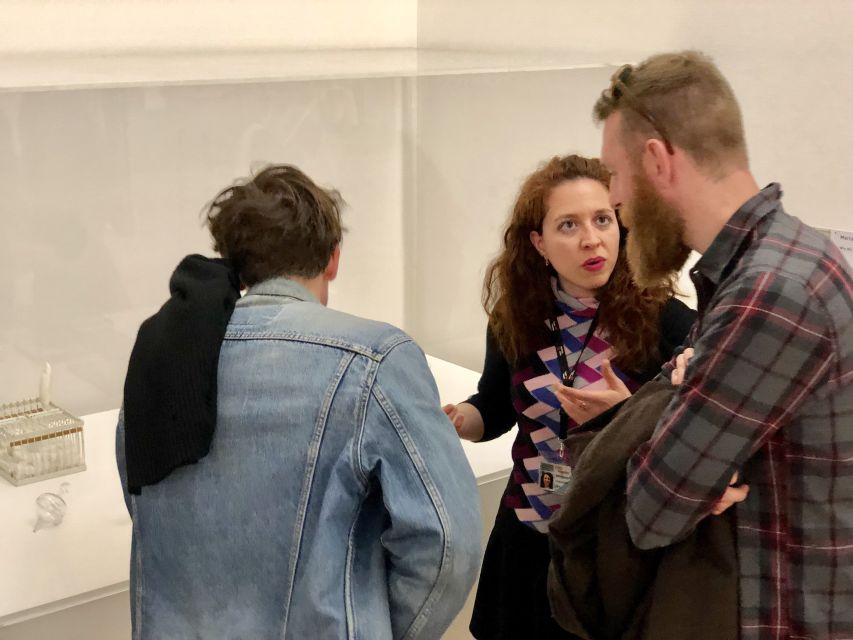
A recent guide named Brenda led a group through the founding documents, pop culture displays, First Ladies’ clothing, American war objects, and the flag. Her approach, as described in the tour material, followed the full arc of the visit instead of treating the two museums as unrelated stops.
The private option is likely the better value for families or friends who want control over the pace. For solo visitors or couples, the semi-private format keeps the price from rising as much as a fully private booking, though it requires at least two people to run. If that minimum is not reached, an alternative date or refund is offered.
Is $166 per person a fair price?
The price is $166 per person. That is expensive compared with entering the museums on your own, especially since food and temporary exhibitions are not included.
You are paying for more than admission, though. The package includes an expert English-speaking guide, a two-hour highlights tour of each museum, a small group capped at eight, and skip-the-line access through a separate entrance. The value depends on how much you want help with organization and interpretation.
I would consider it worthwhile if you have limited time in Washington, want to visit both museums in one day, or find large history museums overwhelming. A good guide can save you from wandering through galleries without a plan and can connect the objects into one coherent story.
I would skip it if you prefer to read every label at your own pace, already know the museums well, or are mainly looking for the lowest-cost museum visit. You can spend less by visiting independently, but you will need to plan the order, manage entry, and select the key objects yourself.
Walking, access, and practical limits
This is not a good choice for anyone who cannot manage moderate walking. The activity is listed as unsuitable for people with mobility impairments, although wheelchair tours can be requested. Confirm your needs before booking rather than assuming the standard route will work.
Museum rooms can have special rules about quiet or restricted speaking. Your guide will explain those rules before you enter, so listen carefully and expect some portions of the visit to be more subdued.
Temporary exhibitions are not included. The tour focuses on the permanent highlights described here, so do not book it expecting a full visit to every current special display.
Museum closures can happen without warning. If management closes a museum or relevant area, an appropriate alternative is offered. This is rare enough not to dominate your planning, but it is worth knowing before you commit a tightly timed day around the visit.
Cancellation is free up to 24 hours in advance, and you can reserve now and pay later. Those terms are useful if your Washington schedule may change.
Who should book this museum tour?
I recommend it most for first-time visitors who want the essential objects without spending a full day trying to map two large museums. It also suits families with older children, history-minded adults, and anyone who wants the founding documents explained rather than merely photographed.
The tour may be less appealing to museum specialists or independent readers. You will follow a highlights route, and the guide decides which displays receive attention. That is the tradeoff for seeing the important material efficiently.
Allow the full 5.5 hours. Wear shoes you can walk in, bring water, and keep your bag small. If you want lunch, plan it in advance because food is not included.
Should you book the National Archives and American History tour?
Book this experience if you want a guided story that links the Declaration, Constitution, Bill of Rights, Magna Carta, Star-Spangled Banner, First Ladies’ exhibit, Lincoln’s hat, and Dorothy’s slippers. The small group size and separate entrance make the high price easier to justify, especially on a short Washington visit.
Skip it if you want a cheap, self-guided museum day or need a route built around very limited mobility. For the right visitor, this is an efficient and thoughtfully arranged introduction to the American experiment, told through both national documents and everyday cultural memories.
FAQ
How long does the tour last?
The experience lasts 5.5 hours. Check availability for the available starting times.
Where does the tour begin?
Meet at the bottom of the front stairs of the National Archives Building on Constitution Avenue NW.
Where does the tour end?
The activity ends back at the meeting point.
What museums are included?
The tour includes the National Archives and the National Museum of American History.
Will I see the original Declaration of Independence?
Yes. The National Archives portion includes the original Declaration of Independence, Constitution, and Bill of Rights.
Is the Magna Carta included?
Yes. You will see a 1297 copy of the Magna Carta in the Rubenstein Gallery.
What famous objects are shown at the American History Museum?
The tour includes the Star-Spangled Banner, George Washington’s sword, Dorothy’s ruby slippers, First Ladies’ clothing, and the top hat Abraham Lincoln wore when he went to Ford’s Theatre.
How many people can join the tour?
A maximum of eight people is permitted per tour. Private and semi-private options are available.
Is food included?
No. Food and drinks are not included. You receive a break between the two museum visits and should arrange your own refreshments.
What should I bring?
Bring a passport or ID card, comfortable shoes, an umbrella, and water. Large bags and luggage are not allowed.
More History Tours in Washington DC
- DC Monuments & History Guided E-Cart Tour-Blankets
★ 4.5 · 450 reviews - Historic Georgetown: History, Gossip, & Architecture Walking Tour
★ 5.0 · 321 reviews - DC’s Original Food and History Walking Tour
★ 5.0 · 255 reviews - Smithsonian Museum of American History Exclusive Guided Tour
★ 5.0 · 245 reviews
More Museum Tours in Washington DC
- National Mall Tour with 10 Stops & U.S. Capitol or Museum Entry
★ 4.5 · 331 reviews - Smithsonian Museums Walking Tour with Reserved Air & Space Entry
★ 5.0 · 297 reviews - Capitol Combo: U.S. Capitol + Library Congress or Capitol Museum
★ 4.5 · 294 reviews - U.S. Capitol Tour with Library of Congress or Capitol Museum
★ 4.0 · 286 reviews
Just added in Washington DC
- Washington DC: Express Morning or Night-Time Monuments Tour★ 3.2 · 3 reviews
- Washington, DC: Georgetown Architecture Walking Tour★ 5.0 · 8 reviews
- Washington D.C.: Georgetown Guided Secret Food Tour★ 3.9 · 7 reviews
- Washington DC: E-Bike Rental★ 4.3 · 7 reviews
- Washington DC: Christmas Eve Gourmet Brunch or Dinner Cruise★ 4.2 · 6 reviews
- Washington DC Day Tour – Private Tour★ 4.1 · 3 reviews
- Washington DC: After Dark Night-Time Sightseeing Tour★ 3.8 · 6 reviews
- Washington DC: Best of Capitol Hill Guided Bike Tour★ 3.2 · 7 reviews
Smithsonian Museum Tours, compared.
Guided African American History Tour with Reserved Museum Entry
Read our review →
Smithsonian Museum of Natural History – Exclusive Guided Tour
Read our review →
African American History Tour with Museum of African American History Ticket
Read our review →

Smithsonian Museums Walking Tour with Reserved Air & Space Entry
Read our review →
Smithsonian Museum of American History Exclusive Guided Tour
Read our review →
The Smithsonian National Air & Space Museum Exclusive Guided Tour
Read our review →
Smithsonian Museum of Natural History Small Group Tour: 8ppl Max
Read our review →Browse the lists this tour appears in