
Reviewed · NATIONAL ARCHIVES TOURS
Skip-the-line National Archives Building Exclusive Guided Tour
The National Archives puts America’s founding papers behind glass, but the real value of this tour is having a guide explain what you are seeing before the crowds and details blur together. You move from the Declaration of Independence, Constitution, and Bill of Rights to letters, presidential papers, and the Magna Carta.
I like the small private format, with no more than eight people, and I like the guides’ strong storytelling. Annemarie, Donna, Meghan, Kate, and Ryan are repeatedly praised for turning documents into human stories, while Meghan has been especially good with children. The main drawback is the price: at $105.73 per person, you are paying for interpretation and navigation, not a separate museum admission.
Key points to know
- See the original founding documents: The Rotunda displays the Declaration of Independence, Constitution, and Bill of Rights.
- Small private groups: A maximum of eight people keeps the guide close to your group.
- More than the famous papers: The route includes the Federalist Papers, Emancipation Proclamation, letters from Washington and JFK, and a 1297 Magna Carta.
- Strong family option: Guides such as Meghan have kept children aged seven and nine engaged for the full visit.
- Allow up to two hours: Crowds, security, and time for questions can affect the pace.
- Prepare for security: Large bags and suitcases are not allowed, and skip-the-line access does not guarantee an entirely wait-free entry.
Why the National Archives is worth your time
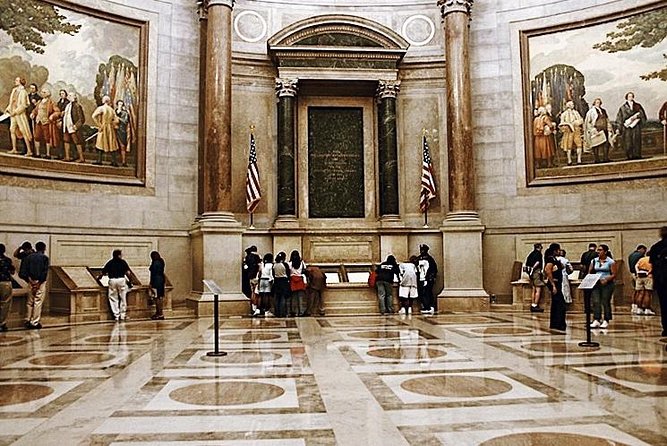
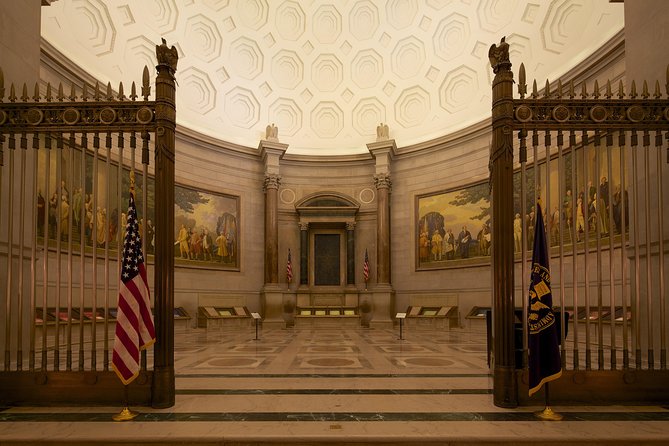
The National Archives is one of those Washington museums where a few sheets of paper carry an astonishing amount of weight. You are not looking at reproductions or decorative panels. You are looking at the original Declaration of Independence, Constitution, and Bill of Rights, preserved in the Rotunda.
That can be easy to underestimate. The documents are small, carefully protected, and viewed through glass. Without context, you might spend a few minutes reading familiar words and move on. A good guide gives you the setting, explains who created the documents, and points out why their wording still matters.
This tour is especially useful if you want a clear introduction rather than a free-form museum visit. You get a route through the major rooms, background on the building, and time to ask questions. The best guides do not simply recite dates. Ryan, for example, has been praised for answering unusual questions and for bringing wider Washington knowledge into the visit. Annemarie has been praised for explaining both the documents and the paintings and architecture around them.
The current score is 4.9 from 381 ratings, with 97 percent recommending the experience. That is unusually strong, though your experience will depend on the guide assigned and on how much talking versus browsing suits your group.
More National Archives tours in Washington DC:
- VIP Best of DC with US Capitol + National Archives Reserved Entry
★ 4.5 · 2,491 reviews - National Archives Skip the Line Guided Tour Semi-Private 6ppl Max
★ 5.0 · 196 reviews - VIP National Archives Skip-The-Line Guided Tour 6 ppl Max
★ 5.0 · 126 reviews
Entering the Rotunda and meeting America’s founding papers
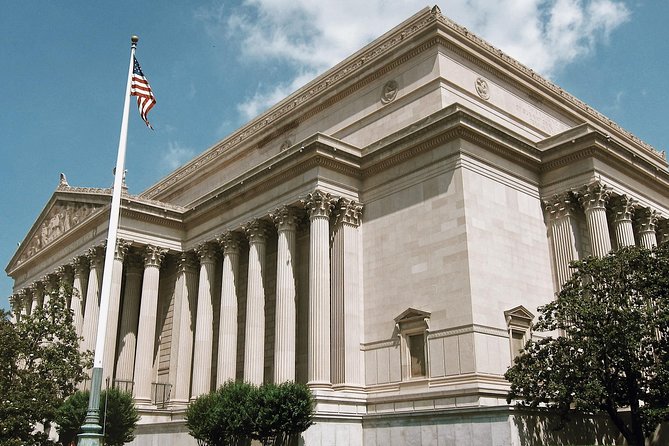
You begin at the National Archives Museum, 701 Constitution Avenue NW. The building itself sets the mood. Its neoclassical design gives the entrance the feel of a civic monument, which is fitting for a museum built around the country’s legal and political foundations.
After security, your guide leads you into the Rotunda. This is the essential part of the tour, and it is where the price makes the most sense if you want help making sense of the documents.
The Declaration of Independence is familiar from schoolbooks, but the original gives you a different connection to the text. The same is true of the Constitution and Bill of Rights. Your guide can explain the relationship among the three documents and draw attention to the signatures, wording, and political setting.
The Federalist Papers add another layer. These essays helped argue for ratification of the Constitution, and the display connects the polished final document with the debate that came before it. Alexander Hamilton and other founding figures appear not only as names from a textbook, but as people involved in a tense political project.
The Rotunda can become crowded. Several ratings describe guides moving groups through busy spaces and keeping the focus on the most important displays. That is useful, but there is a tradeoff. A guide may stop your group in one area for a long explanation, leaving less time to browse nearby cases on your own.
If you prefer to read every label at your own speed, a self-guided visit may suit you better. If you want the main story, clear explanations, and help finding the key items, this guided format saves effort.
The Public Vaults, from Washington to Kennedy
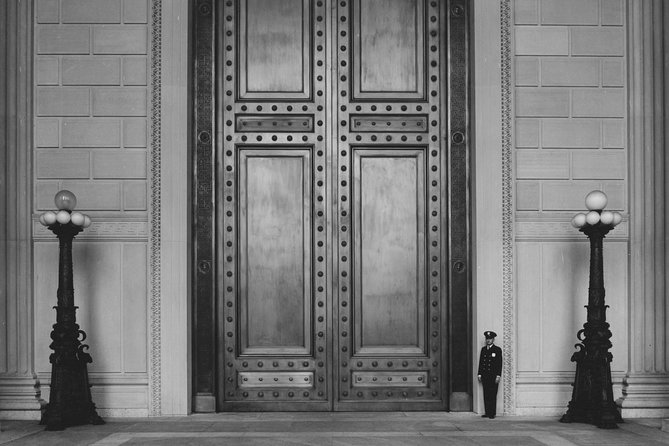
The tour then moves beyond the three headline documents. In the Public Vaults exhibits, you can see letters from George Washington, John F. Kennedy, and other national figures.
These displays help turn the Archives from a shrine to founding texts into a broader record of American government and public life. A letter can show personality, uncertainty, or daily concerns in a way that a formal constitutional document cannot.
This is also where a guide’s storytelling can make a real difference. Marybeth has been praised for adding information about other things to see, and several guides have been described as good at supplying background stories. That kind of extra context is valuable because the museum contains more material than you can comfortably absorb in a short visit.
The tour also includes the Emancipation Proclamation, issued in 1863. This document connects the founding ideals of liberty with the nation’s struggle over slavery and the Civil War. It is an important stop because it shows that American ideals were not settled once the Constitution was signed. They were contested, revised, and tested over time.
Expect some quiet or restricted-speaking areas inside the museum. Your guide will explain the rules before you enter. This matters if you are visiting with children or if you want a lively back-and-forth discussion throughout the whole tour.
The Magna Carta and the wider story in the Rubenstein Gallery
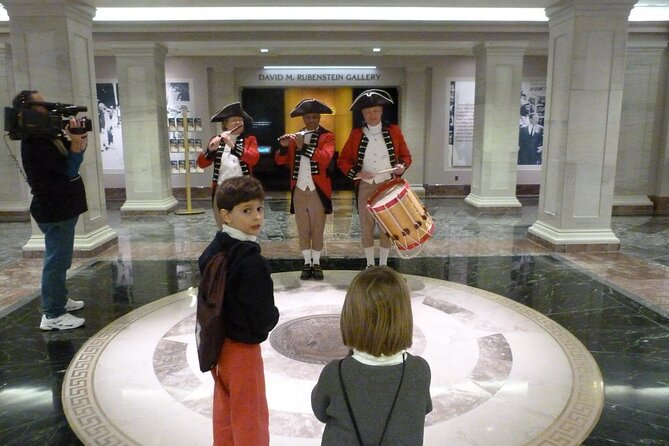
The Rubenstein Gallery takes the story farther back than the American founding. Here you can see a Magna Carta dating from 1297, written centuries before the United States existed.
Its presence helps show that the American founding documents did not appear from nowhere. Ideas about limits on government, rights, law, and representation developed over a long period. The Magna Carta is not an American document, but it helps frame the political tradition that influenced later constitutional thinking.
This section is a good reason to choose a guide who can connect exhibits rather than simply point them out. Donna has been praised for explaining how political developments unfolded, and her approach suits visitors who want the larger chain of ideas. The tour can leave you with a clearer sense of how medieval legal principles, British political arguments, colonial experience, and American independence fit together.
Collections and temporary displays can change during the year. You should treat the listed route as the main plan, not a guarantee that every case will look exactly the same on your chosen date.
More skip-the-line tickets in Washington DC:
- National Archives Skip-the-Line Guided Tour
★ 5.0 · 85 reviews - National Archives Skip the Line Tour Semi-Private 6ppl Max
★ 4.9 · 76 reviews - Skip the Line National Archives and US Capitol Tour
★ 4.5 · 51 reviews
How the private format affects the experience
This is a private activity, and the standard option gives your group its own guide. The maximum group size is eight, which is small enough for questions and easy movement through the galleries.
That format is particularly useful for families. Meghan has been praised for holding the attention of children aged seven and nine, using stories and discussion rather than a long lecture. Other families have found that a guide helped younger children understand why the documents matter.
A private group also lets you set the tone. Couples may want a brisk overview. Families may need more explanation and pauses. Adults with a special interest in constitutional history may want more questions. The guide can usually adjust, though the experience still follows a set route and the museum’s rules.
There is a lower-priced semi-private option, but the inclusions differ. The guide is not exclusively for your group in that option, and the wheelchair-friendly feature does not apply according to the supplied tour details. Check the exact choice carefully before booking if either point matters to you.
The most important caution is pace. One three-star rating describes a guide who spoke too quickly, talked for long stretches, and left little time to explore side exhibits or ask questions. That appears to be an exception among the supplied ratings, but it points to a genuine issue. A guided museum tour works best when the guide balances explanation with quiet looking.
Is $105.73 per person good value?

At $105.73 per person, this is not a budget museum visit. The National Archives Museum itself is listed with free admission, so you should think of the fee as payment for the guide, private format, planning, and help handling the museum’s busiest points.
The value is strongest for first-time visitors who want the major documents explained in a logical order. It is also strong for families, people with limited time in Washington, and anyone who worries about missing the important cases.
The value is weaker if you already know the founding documents well or prefer to read every exhibit panel independently. You could visit the museum without paying for a private guide and spend longer with the exhibits at your own pace.
The rating pattern suggests that guide quality is central. Annemarie, Donna, Meghan, Kate, and Ryan receive repeated praise for warmth, clear explanations, and enthusiasm. That does not mean every guide will use the same pace or style, so consider sending your interests when arranging the tour if that is possible.
The tour usually lasts between 1.5 and 2 hours. That is long enough for the main route, but not long enough to study every display in detail. I would plan the rest of your day around it rather than treating it as a quick 30-minute stop.
Timing, arrival, and security details
The meeting point is the National Archives Museum at 701 Constitution Avenue NW. The tour ends back at the same location. The museum is near public transportation, and hotel pickup and drop-off are not included, so plan to use public transit, a taxi, or a rideshare.
Confirmation is provided at booking. The experience is often reserved about 28 days ahead, which suggests you should not leave it until the last few days if your Washington schedule is fixed.
Arrive with time for security. Skip-the-line wording does not mean you will face no wait at all. Increased security can create lines, and museum management can occasionally delay opening or close an attraction without advance warning. If the museum opening is delayed by more than one hour, an alternative may be offered, but the supplied terms do not promise a refund or discount in that situation.
Bring only a handbag or small, thin backpack. Large bags and suitcases are not allowed inside. Wear appropriate clothing for entry into the site, and expect to spend much of the tour standing and walking. A moderate level of physical fitness is recommended.
The main tour is wheelchair accessible. That note does not apply to the save-money semi-private choice, so select the standard private option if accessibility is important for your group.
Who should book this Archives tour?
I would choose this tour if you want the National Archives to feel like more than a quick look at three famous documents. The guide adds the connections: Hamilton and the Federalist Papers, Washington and Kennedy letters, the Emancipation Proclamation, and the earlier legal ideas represented by the Magna Carta.
It is a particularly good fit for:
- Families who want children to stay interested
- First-time Washington visitors with limited museum time
- Couples who prefer a focused explanation
- Visitors who want a private guide rather than a large group
- People who enjoy asking questions about American government and history
I would hesitate if you dislike guided pacing, need a lot of quiet time, or already have a strong command of the material. The one notable criticism concerns a guide speaking too much and too fast, so this is not automatically better than exploring alone.
Free cancellation is available when you cancel at least 24 hours before the start time. Cancellations within 24 hours are not refunded, and changes in that window are not accepted.
Should you book it?
Book this tour if you want the major documents explained by a person who can connect them to the wider story of American government. The small group size, family-friendly guides, and access to material beyond the Rotunda make it more useful than a simple photo stop.
Skip it if you mainly want to browse alone or if $105.73 feels too high for guided interpretation at a museum with free admission. For most first-time visitors, though, the private format gives the Archives focus and meaning, especially when the guide is someone like Annemarie, Donna, Meghan, Kate, or Ryan.
FAQ
How long does the National Archives tour last?
The tour lasts approximately 1.5 to 2 hours.
Where does the tour begin and end?
It begins at the National Archives Museum, 701 Constitution Avenue NW, Washington, DC 20408. The activity ends back at the same meeting point.
What documents can I see during the tour?
The route includes the Declaration of Independence, Constitution, Bill of Rights, Federalist Papers, Emancipation Proclamation, Magna Carta, and historic letters from figures including George Washington and John F. Kennedy.
How many people can join the tour?
A maximum of eight people is permitted per tour. The activity is private, so only your group participates in the standard option.
Is the tour wheelchair accessible?
The standard private tour is wheelchair friendly. The supplied details state that this does not apply if you choose the save-money semi-private option.
Can I cancel for a full refund?
Yes. You must cancel at least 24 hours before the experience start time for a full refund. Cancellations or changes made less than 24 hours before the start time are not accepted for a refund.
Just added in Washington DC
- Washington DC: Express Morning or Night-Time Monuments Tour★ 3.2 · 3 reviews
- Washington, DC: Georgetown Architecture Walking Tour★ 5.0 · 8 reviews
- Washington D.C.: Georgetown Guided Secret Food Tour★ 3.9 · 7 reviews
- Washington DC: E-Bike Rental★ 4.3 · 7 reviews
- Washington DC: Christmas Eve Gourmet Brunch or Dinner Cruise★ 4.2 · 6 reviews
- Washington DC Day Tour – Private Tour★ 4.1 · 3 reviews
- Washington DC: After Dark Night-Time Sightseeing Tour★ 3.8 · 6 reviews
- Washington DC: Best of Capitol Hill Guided Bike Tour★ 3.2 · 7 reviews
National Archives Tours, compared.

VIP Best of DC with US Capitol + National Archives Reserved Entry
Read our review →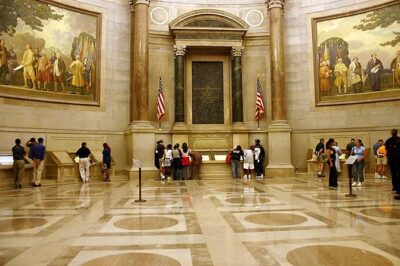
National Archives Skip the Line Guided Tour Semi-Private 6ppl Max
Read our review →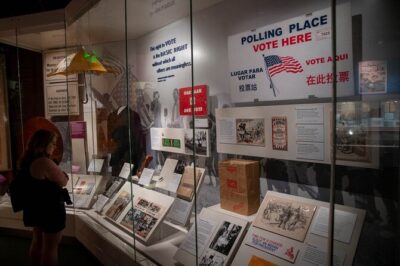
VIP National Archives Skip-The-Line Guided Tour 6 ppl Max
Read our review →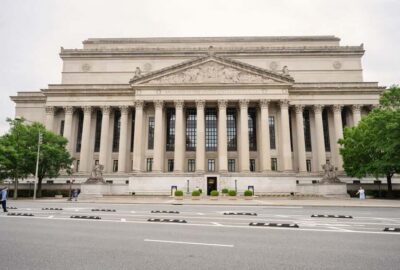
National Archives + American History Museum Tour 8ppl Max
Read our review →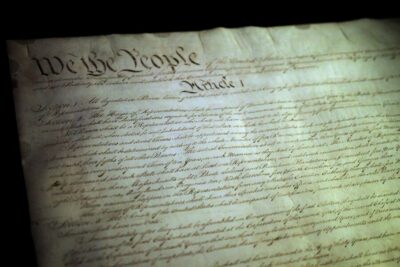
National Archives Skip the Line Tour Semi-Private 6ppl Max
Read our review →
Skip the Line National Archives and US Capitol Tour
Read our review →Browse the lists this tour appears in