
Reviewed · SMITHSONIAN MUSEUM TOURS
250th: National Archives & American History Museum Guided Tour
The best part of this Washington, DC tour is the way it links famous objects to the people and changes behind them. You will see the Star-Spangled Banner, Jefferson’s writing desk, Julia Child’s kitchen, and a Revolutionary War gunboat, then move on to the nation’s founding documents at the National Archives.
I like the small group limit of six, which gives the guide room to answer questions and keep children involved. I also like the climb to the Old Post Office Pavilion, where the view down Pennsylvania Avenue gives the tour a welcome change of pace. The main drawback is the fixed 2 p.m. start and the brisk three-hour schedule, which may feel tight if you want to linger in every gallery.
Key Points Before You Book
- See the original Star-Spangled Banner: The flag that inspired the national anthem is the American History Museum’s major draw.
- Follow a clear story instead of wandering: Your guide connects inventions, wars, politics, food, and popular culture.
- Enter the National Archives with skip-the-line access: The visit includes a guided entrance and ends inside the museum.
- Reach the top of the Old Post Office Pavilion: The tower view over Pennsylvania Avenue is one of the tour’s most memorable stops.
- Travel in a group of no more than six: This is a personal format, not a large bus tour with a microphone.
- Plan for a 2 p.m. start and about three hours: The schedule works well as an afternoon anchor, but it leaves limited time for slow museum browsing.
Why This Small Tour Works in Washington
Washington has no shortage of grand buildings and important names. The problem is knowing where to look and why each object matters. You can spend hours in a museum and leave remembering only a few labels.
This tour gives you a path through the American story. At the American History Museum, you begin with objects that can be understood at a glance. A huge flag, a small writing desk, an old locomotive, and a kitchen set all give you a physical connection to the past.
The guide then helps you connect those objects. The flag points to the War of 1812 and national identity. Jefferson’s desk brings the Declaration of Independence down to the size of an ordinary piece of furniture. The locomotive shows how steam power changed movement, trade, and settlement.
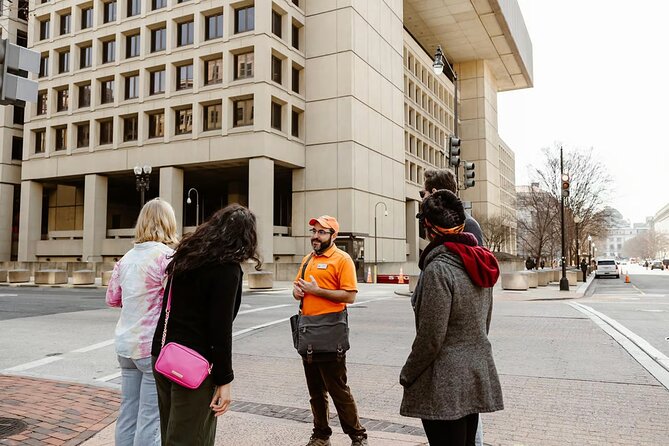
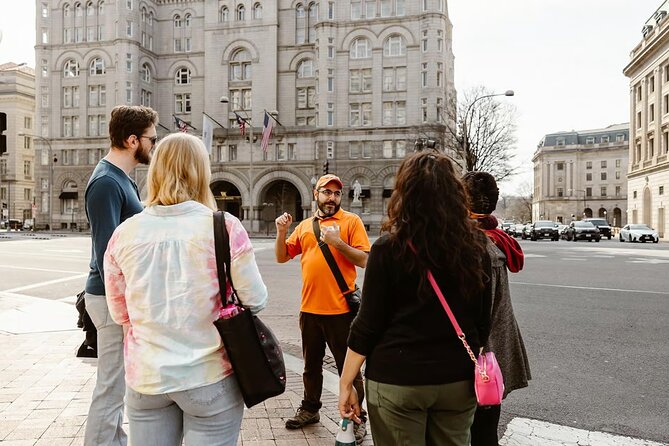
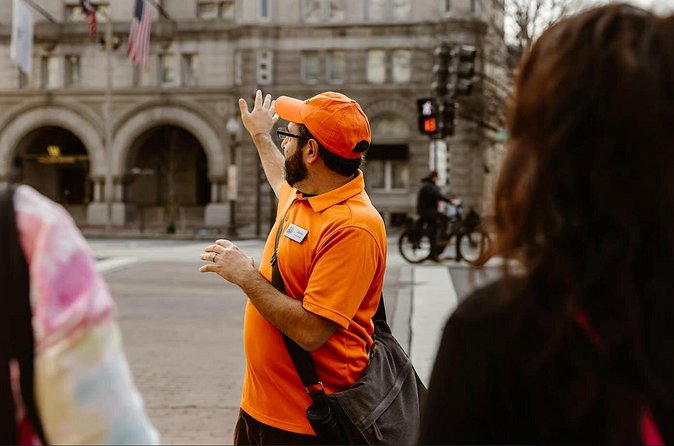
That approach is especially useful if you are visiting with children or with family members who do not want a long lecture. The tour guide, Canden, has been praised for keeping children focused and making the stories easy to follow. A small group also helps here. Six people is enough for conversation, but not so many that questions slow everything down.
You should not expect a private museum opening or a full-day scholarly seminar. This is a focused afternoon introduction. You will see important highlights, hear the larger story, and leave with a better sense of which museum rooms deserve more of your time.
More National Archives tours in Washington DC:
- VIP Best of DC with US Capitol + National Archives Reserved Entry
★ 4.5 · 2,491 reviews - Skip-the-line National Archives Building Exclusive Guided Tour
★ 5.0 · 381 reviews - National Archives Skip the Line Guided Tour Semi-Private 6ppl Max
★ 5.0 · 196 reviews
The Star-Spangled Banner and the American History Museum
The first stop lasts about 90 minutes at the National Museum of American History. Admission to the museum is free, and the tour begins at 1300 Constitution Ave. NW.
The Star-Spangled Banner is the natural headline. This is the original flag associated with the War of 1812 and the national anthem. Seeing it in person gives the song a physical setting. The flag is not just a familiar symbol on a page or at a ball game. It is a large, worn object connected to a specific conflict and a particular moment in the country’s early history.
Your guide can make this kind of display more useful by explaining what you are seeing before you move on. That matters in a museum where famous objects can otherwise blur together. The experience is less about checking off every gallery and more about understanding why a handful of objects became national symbols.
Jefferson’s writing desk offers a useful contrast. It is small, portable, and practical, not the grand furniture many people picture when they think of a founding father. The desk is associated with the drafting of the Declaration of Independence, so it gives you a direct link between a major political document and the everyday tool used to write it.
I like this pairing because it shows two sides of American memory. The flag is public and ceremonial. The desk is private and functional. One represents a nation through a symbol; the other shows an individual working with pen, paper, and a compact piece of furniture.
The Gunboat Philadelphia adds another layer. Recovered from Lake Champlain, the Revolutionary War vessel is rare physical evidence of early naval warfare and the fight for independence. You can look at a painting or read about a battle, but a surviving vessel makes the conflict feel less abstract.
This is one reason a guide adds value in a museum. A large object can be impressive without being clear. You need the context: what the boat was used for, why it survived, and how it fits into the wider struggle for independence. The tour’s narrative gives you that frame without requiring you to read every nearby panel.
Julia Child’s Kitchen and the America of Everyday Life
Julia Child’s kitchen changes the mood. After military and political objects, you reach a space tied to cooking, television, and postwar life.
The kitchen is the actual setting where Julia Child filmed The French Chef. It represents more than one television personality. It points to the way food media brought new ideas into American homes and helped change how people thought about cooking.
This is a smart stop because it moves history away from presidents and battlefields. You see how national change can appear in an ordinary kitchen. New foods, new media, and new habits reached people through television and daily life.
You may find this display especially useful if you are traveling with someone who is less interested in military history. The story is familiar and human. It also gives the tour some balance. American history is not only a sequence of wars and political speeches. It includes the cultural shifts that changed what people watched, cooked, and discussed at home.
The kitchen is also a good example of why the tour’s broad range matters. You are not looking at five versions of the same subject. Each stop opens a different door: war, independence, industry, transportation, media, and daily life.
The John Bull Locomotive and America on the Move
The John Bull locomotive shows how machines helped reshape the country. It is one of the oldest surviving steam locomotives in the world and illustrates the role railroads played in industrial growth, westward expansion, and economic change.
For you, the value of this stop is not only the age of the engine. It is the chance to connect a large, physical machine with the movement of people and goods. Railroads altered distance. They affected business, settlement, and the way Americans imagined the country.
The locomotive also adds visual variety to the museum portion. After the scale of the flag and the intimacy of Jefferson’s desk, the engine brings you face to face with industrial power. A good guide can use that contrast to keep the story moving.
The 90-minute museum visit is long enough to cover the main highlights, but not long enough to inspect every section. That is both the strength and the limit of the tour. You get a focused introduction, yet you will need to return on your own if the museum becomes your main interest.
The American History Museum is free, so you can easily come back another day if your schedule allows. If you know in advance that you want extensive time with transportation, military, or cultural exhibits, treat this tour as an orientation rather than a complete museum visit.
More Smithsonian museum tours in Washington DC:
- Guided African American History Tour with Reserved Museum Entry
★ 4.5 · 1,180 reviews - Smithsonian Museum of Natural History – Exclusive Guided Tour
★ 5.0 · 446 reviews - African American History Tour with Museum of African American History Ticket
★ 4.5 · 390 reviews - Washington, DC: African American History Tour & Museum Entry
★ 4.9 · 312 reviews
Walking Toward the National Archives
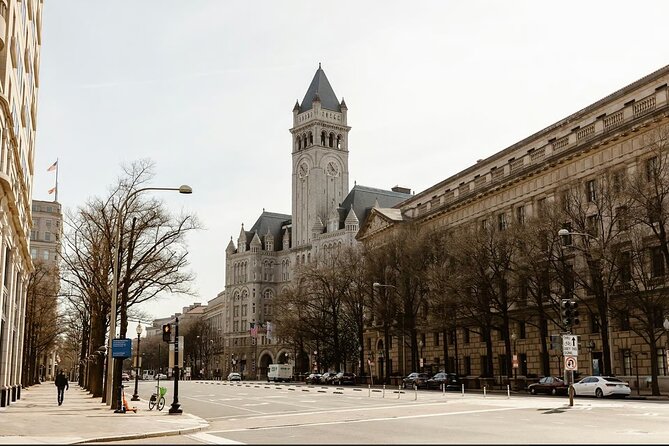
The experience then continues on foot toward the National Archives Museum at 701 Constitution Ave. NW. The walking portion helps connect the museums rather than treating them as isolated buildings.
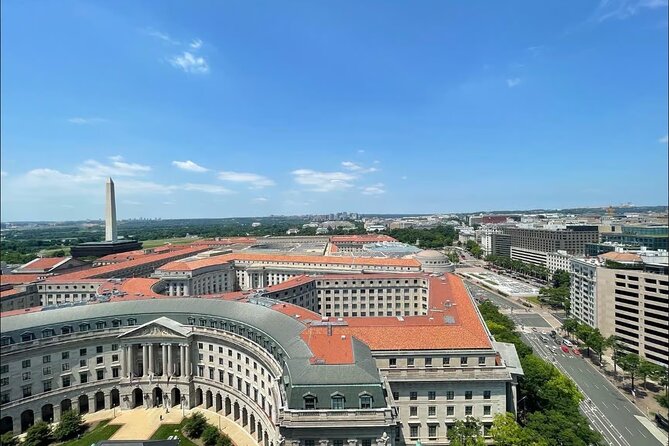
Your guide also includes the Old Post Office Pavilion, with access to the top of its tower. The view down Pennsylvania Avenue is a major reason to choose this experience over a museum-only visit. You get a different way to read Washington, looking out across the city instead of at objects behind glass.
The tower is also a useful pause between indoor displays. It gives you space to look around, take in the broad street plan, and hear stories about Washington, DC. The exact flow of the stop is part of the guided walk, so you should allow the tour to set the pace rather than planning a separate long visit around it.
The Old Post Office stop may be the highlight for you if you enjoy city views more than museum labels. If you prefer a slow, detailed study of artifacts, the tower adds time that could otherwise be spent inside the American History Museum. The tour works best when you want both: major objects and a view that puts the federal core in context.
Entering the National Archives Without the Usual Wait
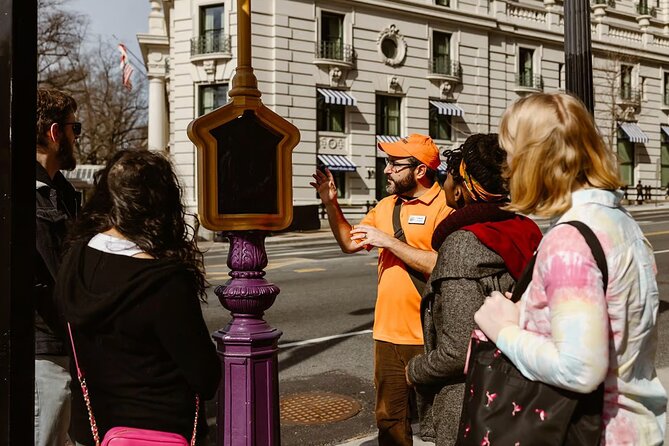
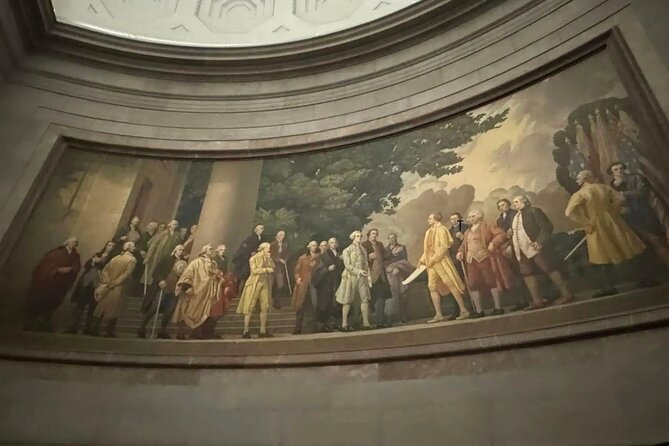
The National Archives portion lasts about 40 minutes. Skip-the-line access is included, and the tour finishes inside the museum if you want to continue looking around after the guided portion.
The entry arrangement is designed to avoid the standard wait. The experience has been described as entering through the exit route, which can feel like a special behind-the-scenes convenience. You should still follow the guide’s instructions at the meeting point, since entry procedures can affect how smoothly the group moves.
Inside, the focus is on the National Archives itself rather than a long survey of every exhibit. The value is partly practical. The Archives is one of Washington’s most important stops, and saving time at the entrance gives you more of the afternoon for the building and its displays.
Forty minutes is enough for a guided introduction, not a full museum visit. If you want to read every document panel or explore every gallery, plan to remain after the tour ends. The fact that you finish inside the Archives makes that easy, provided your schedule allows more time.
This part suits first-time visitors particularly well. You get a guide to orient you, avoid the main line, and point you toward the most important material. You also keep the freedom to stay on your own afterward rather than being led back to a meeting point.
What the $75 Price Gets You
At $75 per person, this is not the cheapest way to visit free Washington museums. The American History Museum does not charge admission, and the National Archives portion could be visited independently.
The price makes more sense if you value a guide, a small group, skip-the-line entry at the Archives, and the Old Post Office tower visit. You are paying for structure and interpretation. Instead of planning the route between three major stops, you receive a three-hour afternoon with a local guide.
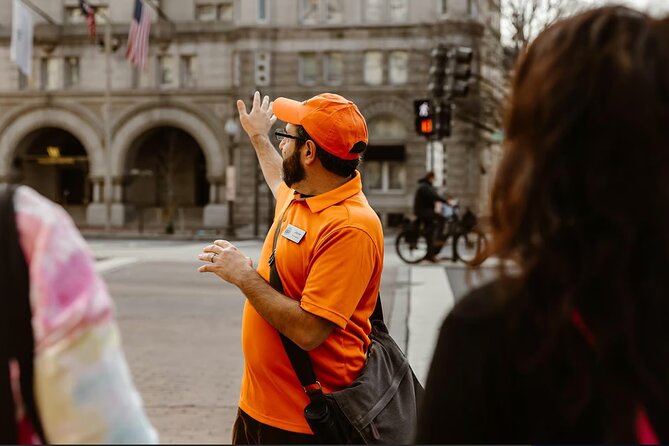
The group limit of six improves the value. In a large group, a question can feel like an interruption. In this format, you can ask about an object, a building, or a Washington story and get a direct answer. That personal attention is especially helpful for families.
You should compare the cost against your own museum habits. If you happily read every display and already know your way around Washington, independent visits may suit you better. If you want a clear route and lively explanations, the price is easier to justify.
Gratuity is not included, so add that to your budget if the guide gives you a good experience. The tour is offered in English and uses a mobile ticket.
Who Will Get the Most From This Tour
I would choose this experience for a first or second visit to Washington, especially if you want the National Archives but do not want to build the whole afternoon yourself.
It suits:
- Families who need a guide to keep the history moving
- First-time visitors who want major sights in a short window
- People who enjoy a mix of objects, stories, and city views
- Visitors who appreciate very small groups
- Anyone who wants to continue exploring the Archives after the guided portion
It may be less suitable if you want a slow museum day, a late start, or a highly specialized subject such as American military history, presidential history, or transportation alone. The itinerary covers many themes, so the reward is variety rather than depth in one field.
Most people can participate, and service animals are allowed. The meeting point is near public transportation, but the tour itself includes walking between sites. Wear practical shoes and leave room in your schedule for the full three hours.
The cancellation policy is flexible if your plans are uncertain. You can receive a full refund by canceling at least 24 hours before the 2 p.m. start time. Changes or cancellations made inside that window are not accepted for a refund.
Should You Book the National Archives and American History Tour?
Book it if you want Washington history explained by a local guide rather than assembled one label at a time. The combination of the Star-Spangled Banner, Jefferson’s desk, Julia Child’s kitchen, the John Bull locomotive, the National Archives, and the Old Post Office tower gives you a broad and well-paced afternoon.
The strongest reasons to go are the small group, the skip-the-line Archives entry, and the tower view. Canden has also shown how a guide can make the experience work for children, keeping the tone lively without losing the historical point.
Skip it if your main goal is extended museum research or a flexible day with no fixed schedule. For everyone else, especially first-time visitors and families, the $75 fee buys useful direction, time saved at the Archives, and a memorable introduction to the people and objects that shaped the American story.
FAQ
Where does the tour start?
The tour starts at the Smithsonian National Museum of American History, 1300 Constitution Ave. NW, Washington, DC 20560.
What time does the tour begin?
The scheduled start time is 2 p.m.
Where does the tour finish?
The tour ends at the National Archives Museum, 701 Constitution Ave. NW, Washington, DC 20408. You can remain inside the Archives to explore more exhibits after the guided portion.
How long does the tour last?
The experience lasts approximately three hours. The American History Museum portion takes about 90 minutes, and the National Archives portion takes about 40 minutes, with walking and the Old Post Office Pavilion visit included in the overall schedule.
Is National Archives entry included?
Yes. Skip-the-line access and a guided entrance to the National Archives are included.
Is admission to the American History Museum included?
The museum portion lists admission as free. The tour begins there and includes the guided visit.
How many people can join the tour?
The maximum group size is six travelers.
Can I cancel for a full refund?
Yes. You must cancel at least 24 hours before the experience start time for a full refund. Cancellations or changes made less than 24 hours before the start are not refunded or accepted.
More History Tours in Washington DC
- DC Monuments & History Guided E-Cart Tour-Blankets
★ 4.5 · 450 reviews - Historic Georgetown: History, Gossip, & Architecture Walking Tour
★ 5.0 · 321 reviews - DC’s Original Food and History Walking Tour
★ 5.0 · 255 reviews - Smithsonian Museum of American History Exclusive Guided Tour
★ 5.0 · 245 reviews
More Museum Tours in Washington DC
- National Mall Tour with 10 Stops & U.S. Capitol or Museum Entry
★ 4.5 · 331 reviews - Smithsonian Museums Walking Tour with Reserved Air & Space Entry
★ 5.0 · 297 reviews - Capitol Combo: U.S. Capitol + Library Congress or Capitol Museum
★ 4.5 · 294 reviews - U.S. Capitol Tour with Library of Congress or Capitol Museum
★ 4.0 · 286 reviews
Just added in Washington DC
- Washington DC: Express Morning or Night-Time Monuments Tour★ 3.2 · 3 reviews
- Washington, DC: Georgetown Architecture Walking Tour★ 5.0 · 8 reviews
- Washington D.C.: Georgetown Guided Secret Food Tour★ 3.9 · 7 reviews
- Washington DC: E-Bike Rental★ 4.3 · 7 reviews
- Washington DC: Christmas Eve Gourmet Brunch or Dinner Cruise★ 4.2 · 6 reviews
- Washington DC Day Tour – Private Tour★ 4.1 · 3 reviews
- Washington DC: After Dark Night-Time Sightseeing Tour★ 3.8 · 6 reviews
- Washington DC: Best of Capitol Hill Guided Bike Tour★ 3.2 · 7 reviews
Smithsonian Museum Tours, compared.
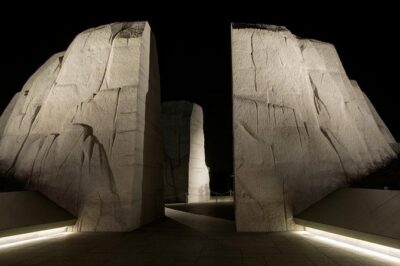
Guided African American History Tour with Reserved Museum Entry
Read our review →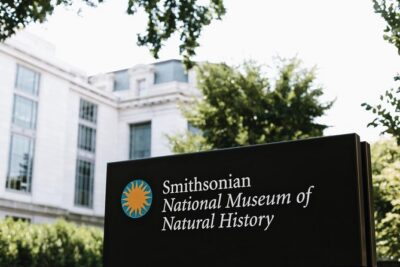
Smithsonian Museum of Natural History – Exclusive Guided Tour
Read our review →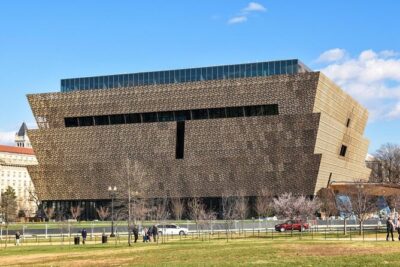
African American History Tour with Museum of African American History Ticket
Read our review →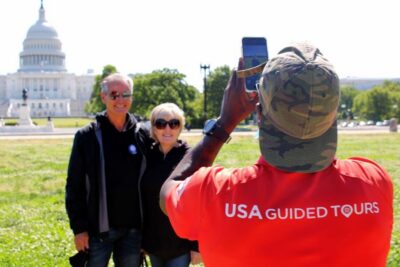

Smithsonian Museums Walking Tour with Reserved Air & Space Entry
Read our review →
Smithsonian Museum of American History Exclusive Guided Tour
Read our review →
The Smithsonian National Air & Space Museum Exclusive Guided Tour
Read our review →
Smithsonian Museum of Natural History Small Group Tour: 8ppl Max
Read our review →Browse the lists this tour appears in