
Reviewed · EMBASSY ROW TOURS
Embassy Row & Dupont Circle: Gilded Age History Small-Group Tour
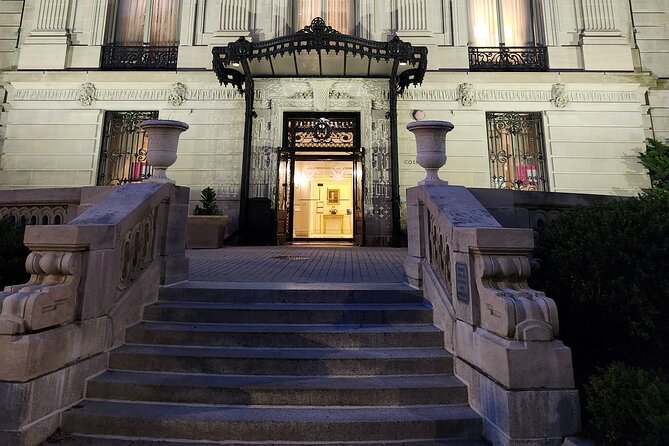
The best part of this walk is the way it turns ordinary Washington streets into a parade of Gilded Age mansions, social scandals, and grand ambitions. You begin at the former home of a brewer and finish near Dupont Circle, with stories about secret passages, socialite Evalyn Walsh McLean, and the Society of the Cincinnati along the way.
I like the small group of no more than 15 people, which gives the guide room to point out details without shouting across a crowd. I also like the strong storytelling focus. Shane, one of the guides, brings the people behind the buildings to life, including Alice Roosevelt Longworth and the famous Three Graces.
The main drawback is clear: this is an exterior-only tour. You will not enter the mansions described, and the tour depends on decent weather. At $69 for about 90 minutes, you are paying for the guide’s stories and local context, not admission to historic interiors.
Key points at a glance
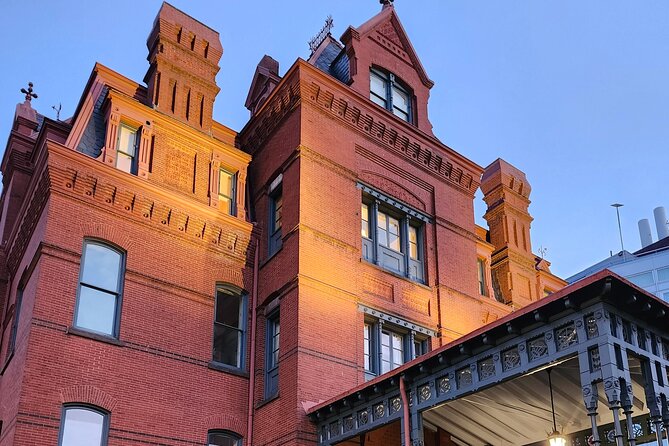
- Begin at a former brewer’s mansion: Meet at the 1921 Biergarten beside the Heurich House Museum and start with Washington’s brewing past.
- Hear about a house with more than 100 secret passages: The Mansion on O Street adds a wonderfully odd note to this otherwise polished neighborhood.
- Follow the fortunes of Evalyn Walsh McLean: Learn how a wealthy socialite’s former home became the Embassy of Indonesia.
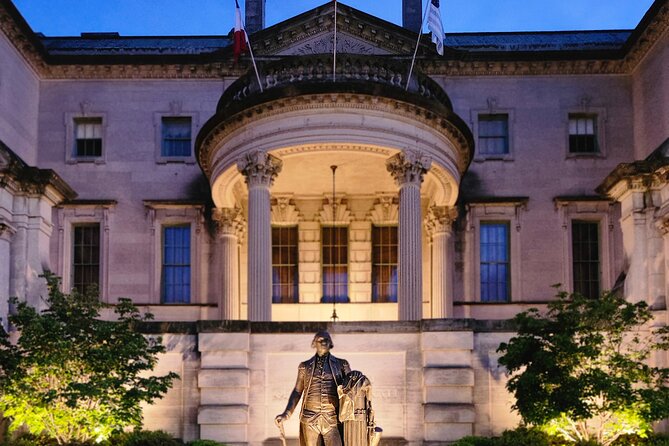
- See Anderson House from the outside: The mansion belongs to the Society of the Cincinnati, a fraternal order older than the Constitution.
- Keep the group manageable: The tour is capped at 15 people, useful on narrow sidewalks and busy city streets.
- End beside Dupont Circle Metro: The finish at Dupont Circle North makes it easy to continue sightseeing or head elsewhere in Washington.
Washington’s grand homes, told from the sidewalk
This tour is about reading Dupont Circle and Embassy Row as a collection of personal stories. The buildings matter, but the people who paid for them, entertained in them, lost fortunes in them, or later gave them new uses matter just as much.
You will walk through a part of Washington shaped by wealth and status. The route brings together old family homes, clubhouses, embassies, monuments, and public spaces. That makes the tour useful for a first look at the neighborhood, but it also gives you a reason to return and explore the area at your own pace.
The format is brisk. Ninety minutes is long enough to cover several important addresses without turning into a half-day march. It is also short enough to fit before dinner, after a museum visit, or into a free afternoon between larger Washington sights.
The English-speaking guide is the heart of the experience. Shane has received particular praise for his storytelling and for using pictures to help explain the people and places along the route. If your guide is Shane, listen for his enthusiasm about the Three Graces, especially Alice Roosevelt Longworth. That detail gives you a sense of the tour’s style: Washington history with personality, gossip, and a little theatrical flair.
More Embassy Row tours in Washington DC:
- Dupont Circle and Embassy Row Architectural Walking Tour
★ 5.0 · 117 reviews - Embassy Row: Architecture, Mansions & International Intrigue
★ 4.5 · 27 reviews - Embassy Row Spy History Tour with a Former CIA Officer
★ 5.0 · 8 reviews
Starting at Heurich House and the 1921 Biergarten
The meeting point is the 1921 Biergarten at 1307 New Hampshire Avenue NW. This is beside the Heurich House Museum, the former mansion of a historic brewer. You begin here at 2:30 p.m., with the building and beer garden providing a relaxed setting for the opening story.
I like this starting point because it avoids beginning with a dry date or a list of architectural styles. The first stop connects Washington’s grand houses to business and industry. A brewer’s fortune helped create the home you are looking at, and that immediately gives you a useful question for the rest of the walk: who made the money behind these impressive façades?
The scheduled stop lasts about 15 minutes. Admission to the tour stop is free, but the visit is still exterior in nature. You should not expect a museum tour through the rooms of Heurich House.
The beer garden is also a practical meeting place. Arrive with enough time to find 1307 New Hampshire Avenue NW and settle in before the 2:30 start. Since the walk later ends at Dupont Circle North Metro Station, you do not need to return to the starting point.
The Mansion on O Street and Washington’s odd side
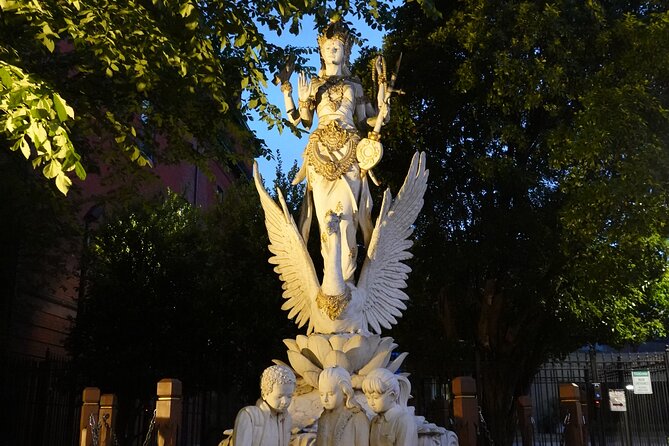
The route includes the Mansion on O Street, a particularly quirky counterpoint to the more formal homes nearby. The guide explains that the house has more than 100 secret passages and points out its statues and memorabilia.
That detail alone gives this stop a different mood. The tour is not just a march past polished stone fronts. You also get a place full of eccentric features and unusual objects, the sort of stop that helps you remember the neighborhood after the names and dates begin to blur.
The practical catch is that the tour explains how to visit this quirky house, but it does not take you inside. If the secret passages are your main reason for coming, treat this walk as an introduction rather than a substitute for an interior visit.
Still, I think the stop earns its place. Washington can feel overly official, with monuments, government buildings, and formal avenues dominating the usual sightseeing route. The Mansion on O Street adds a more playful note and shows that Dupont Circle has room for the strange as well as the grand.
Anderson House and the Society of the Cincinnati
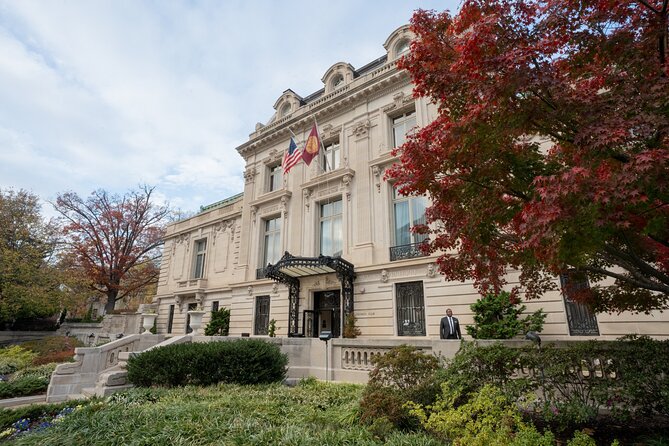
Anderson House is one of the route’s strongest historical stops. The mansion houses the Society of the Cincinnati, a fraternal order that predates the Constitution. That fact gives the building an unusually early connection to the country’s founding period.
The guide explains the house and the organization from outside, helping you place the mansion within the wider story of Washington’s old elite. You will want to look closely at the exterior while listening, since admission to the interior is not included.
This is one of the moments when the tour’s limits matter most. Anderson House can reward a proper interior visit, but this experience does not provide one. You are getting a concise introduction and a street-level view rather than a museum experience.
For me, that is still useful if you have limited time or want a neighborhood walk before deciding which buildings deserve a separate visit. The 15-minute stop keeps the pace moving and prevents one address from taking over the entire tour.
More neighborhood walking tours in Washington DC:
- Delicious Donuts of Downtown DC: A Sweet City Experience
★ 5.0 · 512 reviews - Georgetown Foodie Culinary Tour & Neighborhood Walk
★ 5.0 · 437 reviews - Local Neighborhood Washington DC Food Tour by DrinkEatWalk Tours
★ 5.0 · 51 reviews - Residences of the Presidents Walking Tour: Dupont and Kalorama
★ 5.0 · 31 reviews
Embassy of Indonesia and Evalyn Walsh McLean
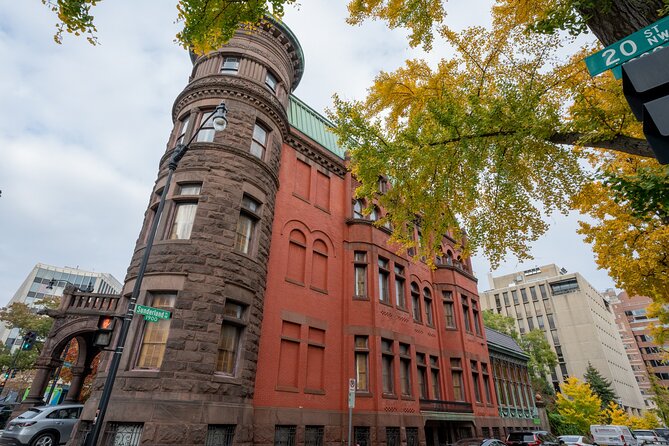
The former home connected with Evalyn Walsh McLean brings the most colorful social story to the route. The guide explains her reputation as a wealthy socialite known for elaborate parties and enormous wealth, then connects that former residence to its present use as the Embassy of Indonesia.
This is the kind of change that makes Washington architecture easier to understand. A mansion that once served private wealth now has a diplomatic role. The building’s identity has shifted, but its connection to power, money, and public life remains.
The stop lasts about 10 minutes and does not include entry to the embassy. That restriction is important. You will hear about the house and its former owner, but you should not expect to cross the gate or see the embassy’s rooms.
I like the way this stop links an individual life to the city’s diplomatic character. Evalyn Walsh McLean’s parties give the story glamour, while the embassy connection brings it into the present. The contrast helps explain why Embassy Row feels different from a standard residential street.
Dupont Circle and the neighborhood’s changing identity
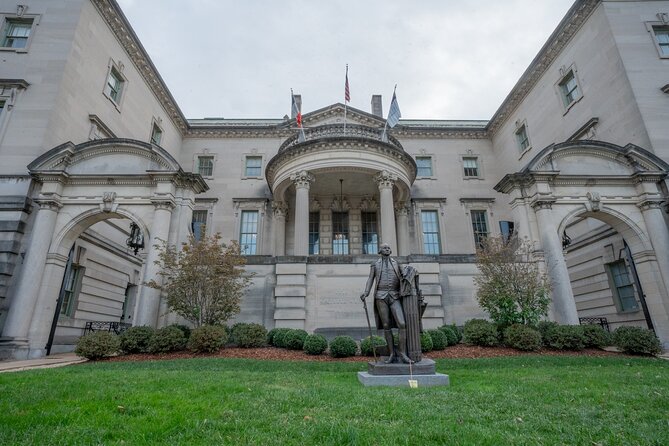
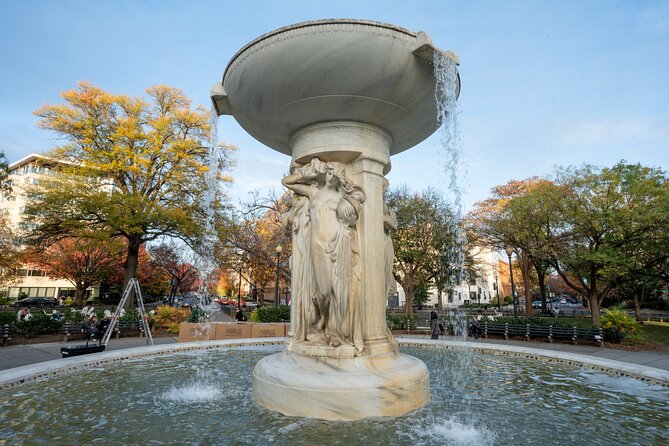
The walk then reaches Dupont Circle, the park that gives the surrounding neighborhood its name. Here the guide explains the area from its early establishment to its place in modern Washington.
The circle is more than a convenient landmark. It gives the tour a pause from individual mansions and lets you look at the neighborhood as a whole. You can consider how private homes, clubs, embassies, and public space fit together.
Because the tour ends near Dupont Circle North Metro Station, this is also a useful point for your own plans. You can continue walking around Dupont Circle, stop for food nearby, or use the Metro after the guide finishes. The ending is practical rather than ceremonial, which suits a compact city walk.
The group size matters here. With a maximum of 15 people, the guide can usually keep the group together as the route moves through a busy neighborhood. You still need to stay alert around city streets, but this is a more personal format than a large coach excursion or a crowded public walk.
Sulgrave Club and the Wadsworth family
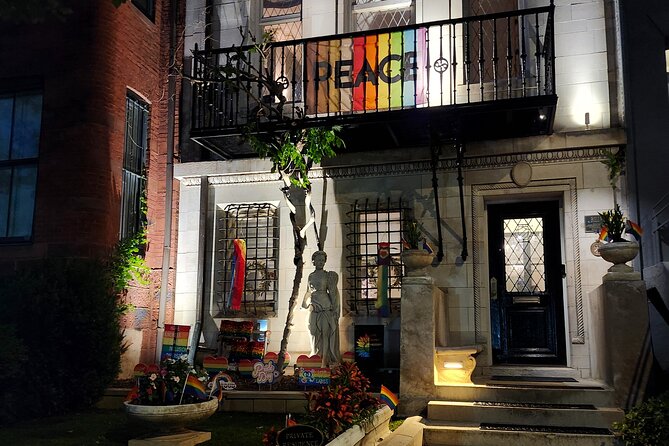
The Sulgrave Club adds a darker note. The guide tells tragic stories connected to the Wadsworth family, for whom the house was built.
This stop shows why a good guide matters. A building can look elegant and calm from the street while carrying stories of loss and family trouble. The tour uses that contrast to move beyond architecture alone.
The scheduled time is about 10 minutes. As with the other mansions, you hear the story from outside and do not enter the club. That means you should judge the stop by the quality of its context, not by the chance to inspect rooms or furnishings.
I find this kind of brief stop valuable when it is handled well. It gives the route emotional range. The walk is not only about rich parties and handsome façades. It also touches on the private costs hidden behind public success.
The African-American architect and the value of looking up
Another stop introduces a mansion designed by an early African-American architect. The supplied details do not identify the architect or provide the building’s full story, so your guide’s explanation will be especially important here.
This is a worthwhile inclusion because it broadens the usual account of Washington’s grand homes. The neighborhood’s architecture is not only a record of wealthy families. It also reflects the work of the architects who designed the buildings, including professionals whose role is often left out of quick sightseeing walks.
Since the tour remains outside, pay attention to the façade and listen for the guide’s explanation of what makes the house notable. If you want the architect’s name or more detail for later research, ask during the stop. The small group should make questions easier than on a large group outing.
What $69 buys you
The price is $69 per person. For about 90 minutes, that is not the cheapest way to walk around Dupont Circle, especially since mansion admissions are not included.
The value depends on how you like to sightsee. If you are content to read plaques, follow a map, and look at façades on your own, you can cover some of the same ground for less. If you want the buildings connected through stories about brewing, old fraternal orders, social ambition, family tragedy, and diplomatic use, the guide is the product you are buying.
The small group helps support that price. A maximum of 15 people gives the guide a better chance to answer questions and adjust the pace. One posted rating praised the guide for adapting the walk to cold, rainy weather, which suggests some flexibility when conditions turn unpleasant. Still, the tour requires good weather and may be canceled if conditions are poor.
At this price, I would choose the tour when you care more about context than interior access. I would skip it if your main goal is to tour the mansions themselves. You can also compare the cost with the value of your time: a focused 90-minute walk may be worthwhile during a short Washington visit, when wandering without a plan could take much longer.
Timing, weather, and what to bring
The tour starts at 2:30 p.m. and lasts about an hour and a half. That timing works well for an afternoon plan, but remember that Washington weather can change quickly and most of the experience takes place outdoors.
Wear comfortable shoes and bring clothing suitable for the forecast. Since the tour requires good weather, check conditions before setting out. If poor weather cancels the experience, you are offered another date or a full refund.
The route begins at the Heurich House area and ends at Dupont Circle North Metro Station. You can use public transportation to reach the area, and the end point is convenient for continuing through the city.
Service animals are allowed, and most people can take part. The practical challenge is simply walking outdoors through an urban neighborhood for 90 minutes. If you need indoor shelter, frequent seating, or access to mansion interiors, this may not be the right format.
Who will get the most from this walk
I would recommend this experience to you if you enjoy city history told through personalities. It suits first-time visitors who want an introduction to Dupont Circle, as well as repeat visitors who have seen the major monuments and want a more local neighborhood focus.
It is a good fit for people who enjoy architecture but do not need to enter every building. It also works for anyone interested in Washington’s social history, embassies, old clubs, and the way private fortunes shaped the city.
Families with older children may enjoy the Mansion on O Street and its secret passages. The socialite stories and Three Graces can also give younger listeners something memorable to hold on to, though the tour’s appeal depends on how much they enjoy walking and historical storytelling.
I would be more cautious about booking it for someone who wants a traditional museum tour. You will not enter Heurich House, Anderson House, the Embassy of Indonesia, or the Sulgrave Club. The experience is about interpretation from the street.
Should you book Embassy Row and Dupont Circle?
Book it if you want a compact, story-led introduction to one of Washington’s most interesting neighborhoods. The guide, especially Shane, appears to be the main reason to choose this experience. His use of pictures and his focus on figures such as Alice Roosevelt Longworth add life to buildings that could otherwise blur together.
The tour is also a sensible choice if you have only one free afternoon. You start at a distinctive former brewer’s mansion, pass a house with more than 100 secret passages, hear about Evalyn Walsh McLean and the Wadsworth family, and finish beside a Metro station.
Do not book it expecting mansion interiors or formal museum admission. At $69, the cost makes sense only if the guide’s storytelling and the small group matter to you. For a weather-friendly afternoon of Washington history with a slightly mischievous edge, I think it is a strong pick.
FAQ
How long is the Embassy Row and Dupont Circle tour?
The tour lasts approximately 1 hour and 30 minutes.
Where does the tour begin?
It begins at the 1921 Biergarten at the Heurich House, 1307 New Hampshire Avenue NW, Washington, DC 20036.
What time does the tour start?
The scheduled start time is 2:30 p.m.
Where does the tour end?
The walk ends at Dupont Circle North Metro Station, at 1908 to 1998 Q Street NW, Washington, DC 20036.
Do you enter the mansions and embassy?
No. This is an exterior tour, and you do not enter the mansions or the Embassy of Indonesia. Admission to Anderson House, the Embassy of Indonesia, and the Sulgrave Club is not included.
How large is the tour group?
The experience has a maximum of 15 participants.
More History Tours in Washington DC
- Guided African American History Tour with Reserved Museum Entry
★ 4.5 · 1,180 reviews - DC Monuments & History Guided E-Cart Tour-Blankets
★ 4.5 · 450 reviews - Smithsonian Museum of Natural History – Exclusive Guided Tour
★ 5.0 · 446 reviews - African American History Tour with Museum of African American History Ticket
★ 4.5 · 390 reviews
Just added in Washington DC
- Washington D.C.: Georgetown Guided Secret Food Tour★ 3.9 · 7 reviews
- Washington DC: Express Morning or Night-Time Monuments Tour★ 3.2 · 3 reviews
- Washington, DC: Georgetown Architecture Walking Tour★ 5.0 · 8 reviews
- Washington DC: E-Bike Rental★ 4.3 · 7 reviews
- Washington DC: Christmas Eve Gourmet Brunch or Dinner Cruise★ 4.2 · 6 reviews
- Washington DC Day Tour – Private Tour★ 4.1 · 3 reviews
- Washington DC: After Dark Night-Time Sightseeing Tour★ 3.8 · 6 reviews
- Washington DC: Best of Capitol Hill Guided Bike Tour★ 3.2 · 7 reviews
Embassy Row Tours, compared.
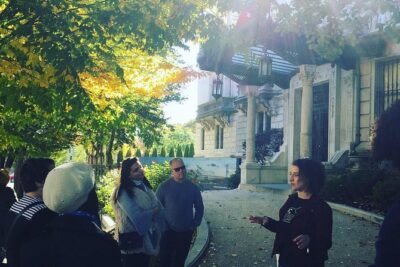
Dupont Circle and Embassy Row Architectural Walking Tour
Read our review →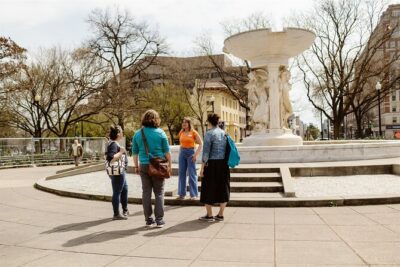
Embassy Row: Architecture, Mansions & International Intrigue
Read our review →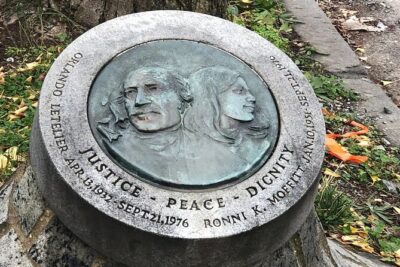
Embassy Row Spy History Tour with a Former CIA Officer
Read our review →
Historic Embassy Row & Dupont Circle (2 Hr Walking Tour)
Read our review →Browse the lists this tour appears in