
Reviewed · SMITHSONIAN MUSEUM TOURS
Washington DC: National Museum of Natural History Tour
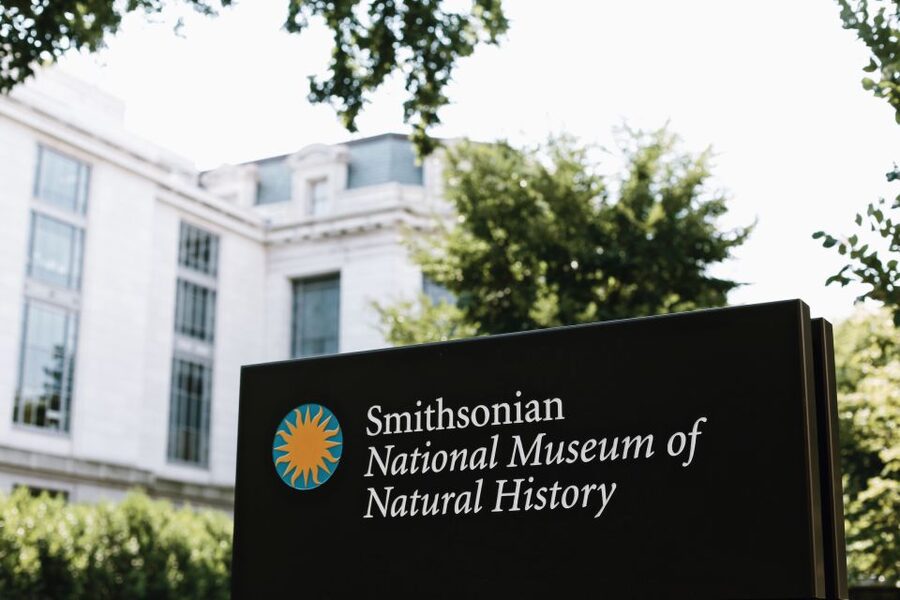
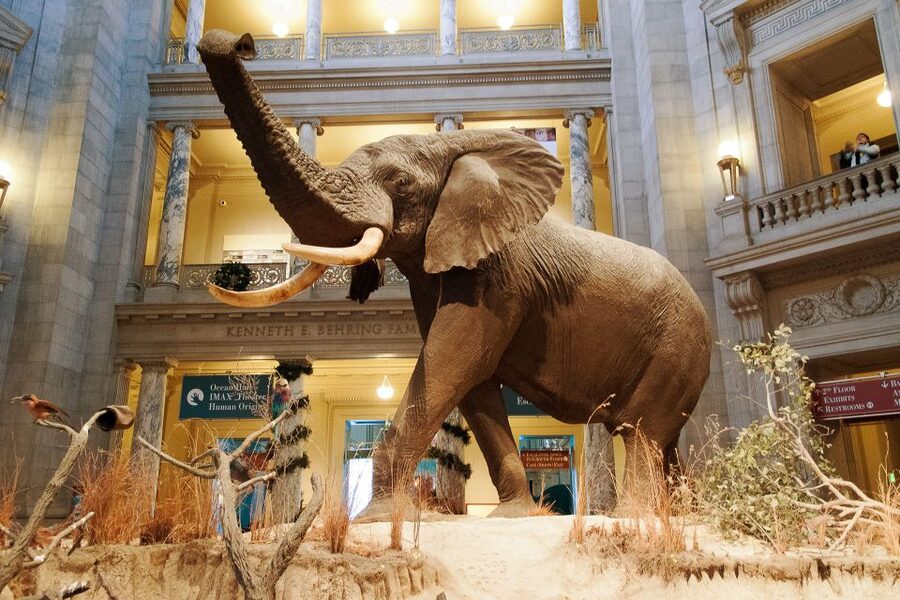
The 46-karat Hope Diamond is only one stop on this fast-moving tour of Washington’s National Museum of Natural History. You’ll also meet mummies, giant mammals, a coral reef, ancient fossils, and Phoenix, the museum’s 45-ton whale replica. The building is huge, covering about 18 football fields, so a guide can save you from wandering past the best rooms.
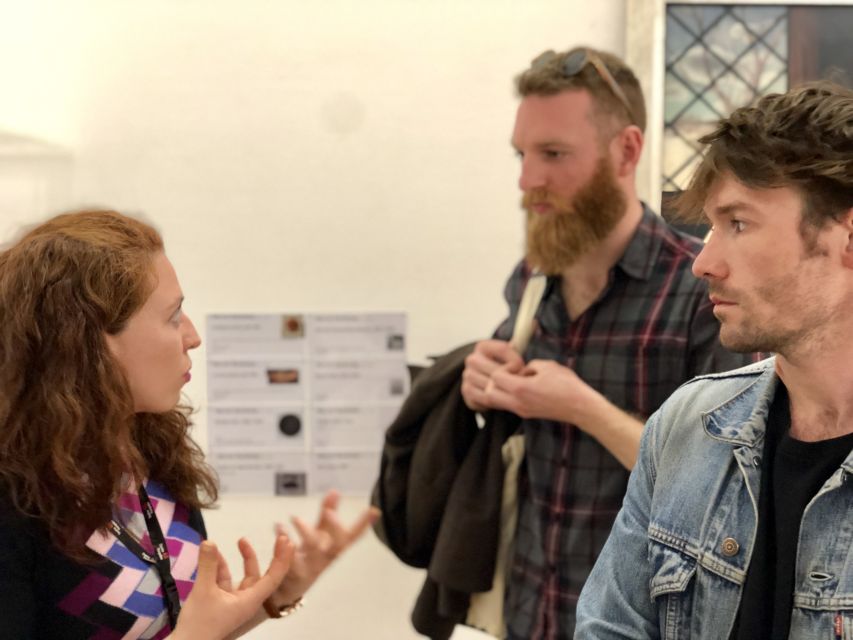
I like the choice between a private tour and a group capped at eight. I also like the human touch: guides such as Leigh, Tim, Richard, Tony, and Brenda have been praised for telling stories, answering questions, and shaping the route around each group’s interests. The main consideration is pace. In 2.5 hours, you’ll see the highlights, not every display, and temporary exhibits are not included.
Key points to know before you book
- The Hope Diamond anchors the jewel displays, but the Dom Pedro Aquamarine and Star of Asia Sapphire add plenty of sparkle.
- Phoenix the whale gives the Ocean Hall a personal story, linking the museum display to a real whale followed in the wild.
- Groups stay small, with no more than eight people, while private tours offer the most control over the route.
- The guide does the navigating, a real help in a museum holding more than 126 million objects.
- Families can shape the visit around their interests, from dinosaurs and fossils to giraffes, elephants, and polar bears.
- Bring photo ID and leave large luggage behind, since only handbags and small thin backpacks pass through security.
Why a guide helps in a museum this large
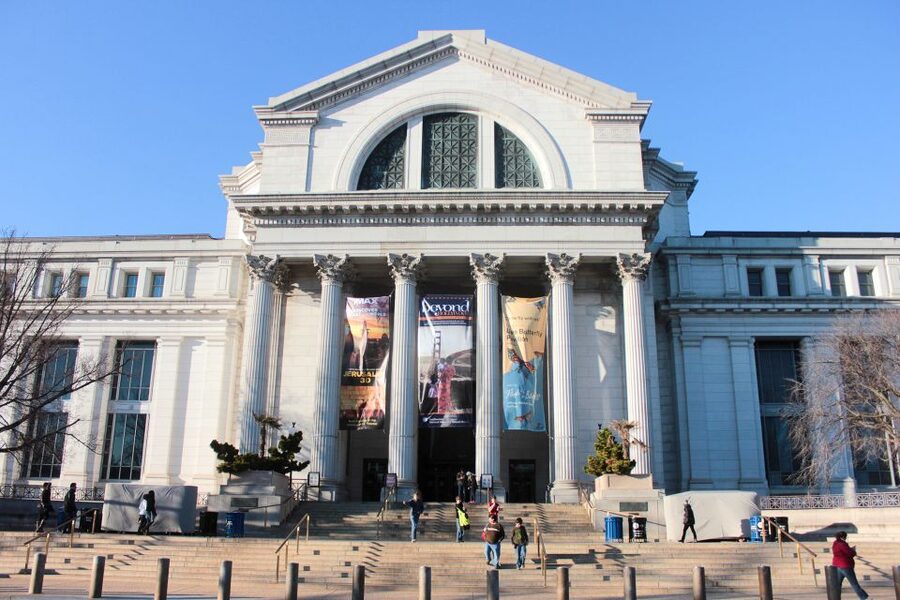
The National Museum of Natural History is not a museum you casually finish in an hour. Its collection contains more than 126 million artifacts, and the building itself covers the area of roughly 18 football fields. That scale is exciting, but it can also leave you staring at a map while the clock runs down.
This tour gives you a route through the major rooms without asking you to plan the order yourself. Your English-speaking guide supplies the background, points out details that are easy to miss, and keeps the visit moving. I find that especially useful in a natural history museum, where one room can tempt you into a long stop and leave the next three floors unseen.
The tour lasts 2.5 hours and ends back at the meeting point. It is a walking tour inside the museum, so wear shoes you can manage comfortably. The route is designed for highlights and conversation rather than a slow examination of every case.
The small group limit matters. With no more than eight people, you should be able to hear the guide and ask questions without shouting across a crowd. A private booking gives you even more freedom, while a semi-private tour needs at least two participants. If that minimum is not reached, an alternative date or refund is offered.
More Smithsonian museum tours in Washington DC:
- Guided African American History Tour with Reserved Museum Entry
★ 4.5 · 1,180 reviews - Smithsonian Museum of Natural History – Exclusive Guided Tour
★ 5.0 · 446 reviews - African American History Tour with Museum of African American History Ticket
★ 4.5 · 390 reviews
The Hope Diamond and Washington’s famous jewels
The jewelry displays provide one of the tour’s clearest highlights. The Hope Diamond, weighing 46 carats, draws the attention first. It is famous far beyond Washington, but seeing it in a museum case gives the story a physical focus that a photograph cannot match.
You’ll also see the Dom Pedro Aquamarine, described as the largest aquamarine of its type, along with the Star of Asia Sapphire. The Dom Pedro has a glowing blue appearance that contrasts with the darker, more dramatic presence of the Hope Diamond.
Your guide can make this section more than a quick photo stop. The tour is built around historical and scientific information, background stories, and surprising details. If you have a special interest in minerals, jewelry, or the science behind natural formations, say so early. Tim, one of the guides praised for his conversational style, was especially good at asking what his group wanted to explore and allowing more time in those areas.
This is also a good place to remember the tour’s limits. You will see the main famous pieces, but a 2.5-hour visit cannot treat every display as a full lecture. If jewelry is your main reason for coming, a private tour gives you the best chance to keep the pace focused on that collection.
Mummies and the human side of natural history
The real mummies add a different mood to the museum. After the bright stones, the displays turn toward human remains and ancient burial practices. This section can be a strong choice for older children and teenagers because it joins science, culture, and a little mystery without relying only on spectacle.
A good guide helps explain what you are seeing in a respectful, clear way. The tour is not only a march from one famous object to the next. Your guide adds context and answers questions, which can make the mummies feel like part of a wider story about how people understood life, death, and the body.
Some rooms have quiet rules or limits on speaking. In those areas, your guide gives the explanation before you enter. That means you may not hear a running commentary inside every room, but the information is not simply lost.
As with any museum display involving human remains, individual comfort varies. If you are visiting with young children, you may want to ask your guide how much time to spend here. The route can be adjusted more easily on a private tour, while a small group will follow a shared plan.
Ocean Hall, coral, and Phoenix the whale
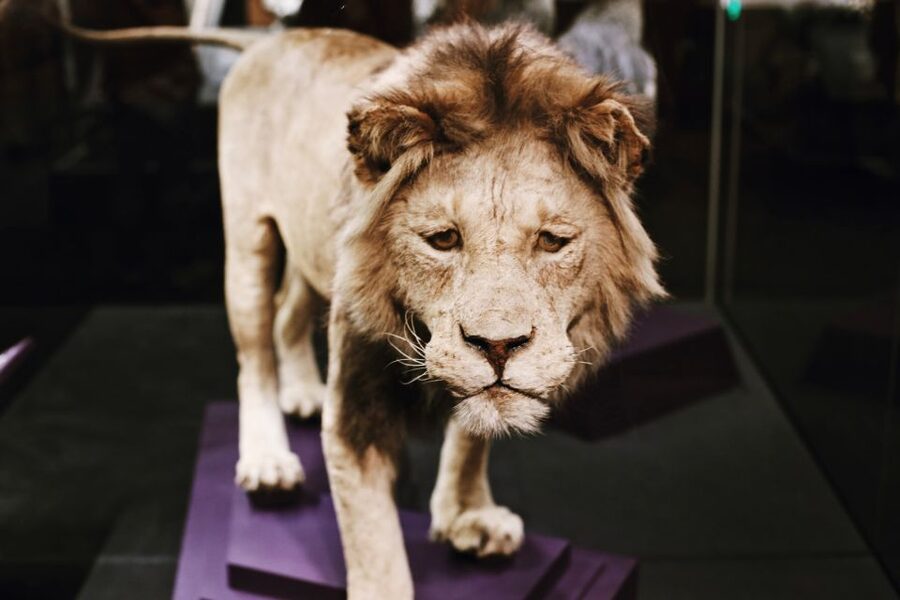
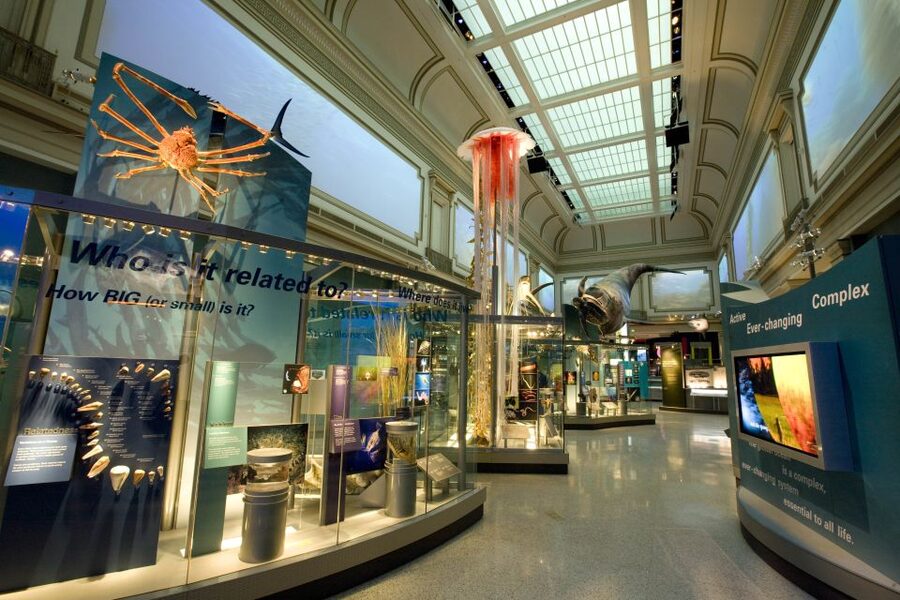
The Ocean Hall brings the sea indoors with a real coral reef exhibit and displays about marine life. It is one of the most visually varied parts of the tour, especially if you are moving from minerals or mummies into a much larger discussion of oceans and animals.
The star here is Phoenix, a replica of a 45-ton whale. The museum has followed the real Phoenix in the wild, giving the display a useful link to ongoing scientific work. You are not just looking at a giant model. You are seeing how museum collections connect with field research and the study of living animals.
That connection makes Phoenix especially good for families. Children get the size and drama of a whale, while adults can follow the science behind tracking and observation. Your guide can also help you compare Phoenix with the coral reef and other marine displays, so the room feels like a connected story rather than a row of unrelated objects.
The Ocean Hall is likely to be one of the busiest stops on the route simply because it has so much to look at. A smaller group helps here. You can stay with the guide instead of losing the thread as people stop in different places.
More museum tours in Washington DC:
- National Mall Tour with 10 Stops & U.S. Capitol or Museum Entry
★ 4.5 · 331 reviews - Washington, DC: African American History Tour & Museum Entry
★ 4.9 · 312 reviews - Smithsonian Museums Walking Tour with Reserved Air & Space Entry
★ 5.0 · 297 reviews - Capitol Combo: U.S. Capitol + Library Congress or Capitol Museum
★ 4.5 · 294 reviews
Fossils, the Arctic Narwhal, and giant land animals
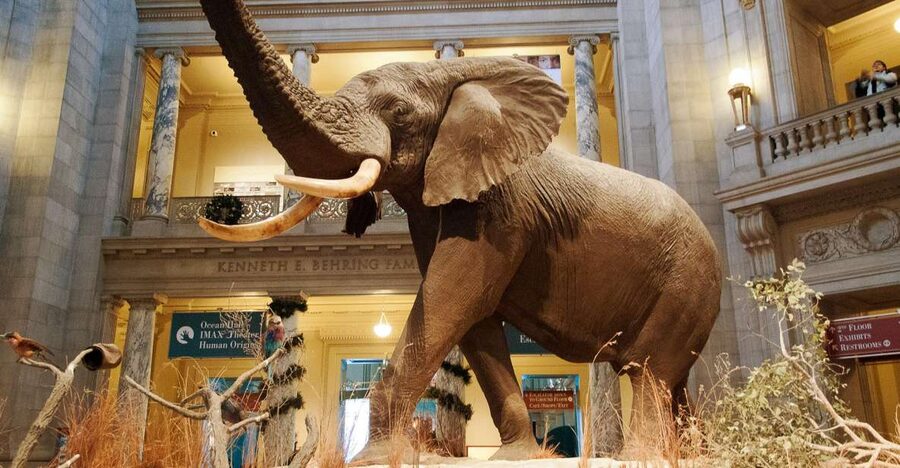
The Fossil Lab gives you a look at museum science in action. Rather than presenting natural history as a finished collection, it shows the work that goes into studying and preparing specimens. That behind-the-scenes angle is valuable if you want more than a parade of impressive objects.
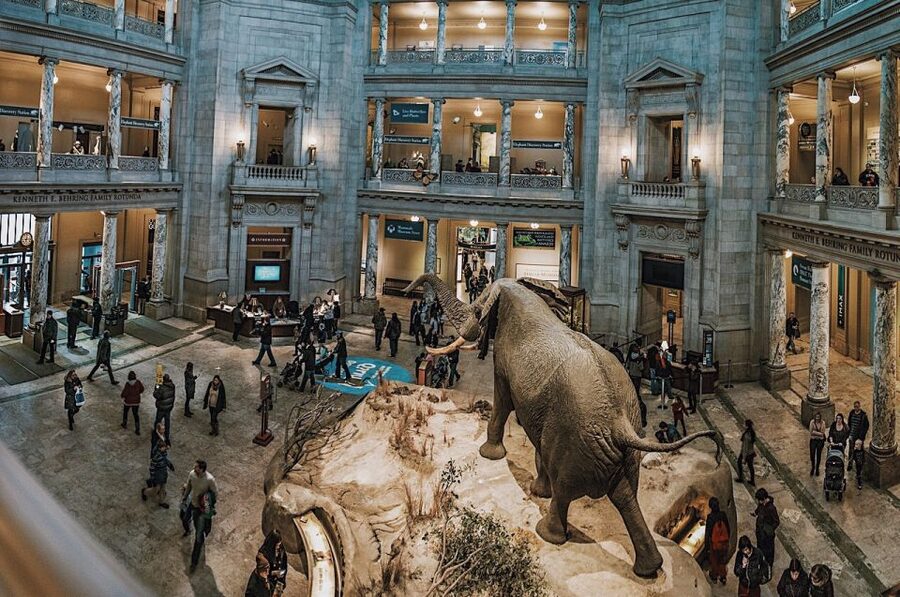
The Arctic Narwhal adds a memorable animal display. Its tusk makes it instantly recognizable, and the exhibit connects the museum’s collections with cold northern environments. You’ll also encounter giraffes, elephants, polar bears, and other large land animals.
These displays work well for a mixed-interest family. One person can focus on fossils, another on mammals, and everyone still has a clear route through the museum. Brenda, one of the guides, was praised for engaging an entire family in each area and pointing out facts based on their interests. That is the right role for a guide here: not rushing everyone past the exhibits, but choosing details that give each person a reason to pay attention.
You should expect some collections to vary. Museum rooms and displays can change, and temporary exhibits are not part of the tour. The major listed highlights are the focus, but the exact order and time spent in each section may depend on access and your group’s interests.
What the guides add to the visit
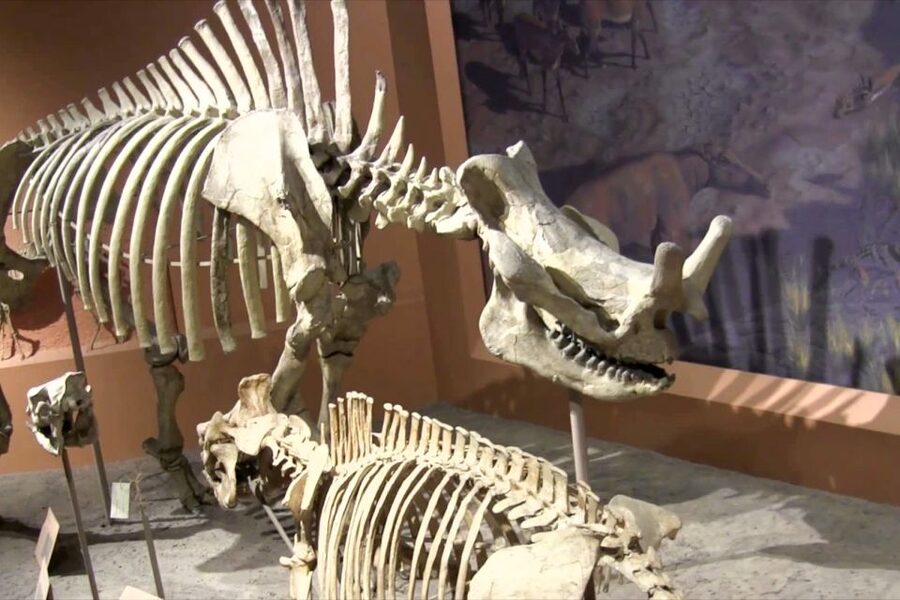
This tour depends heavily on the guide, and the available guide names give you a sense of the experience. Leigh has been praised for storytelling that held the attention of a 16-year-old. Tim was singled out for conversation, questions, and discussion of new discoveries and future science. Richard was noted for making the museum visit feel memorable, while Tony combined museum information with suggestions for other things to see around Washington.
Brenda also received praise for drawing a whole family into the exhibits. That matters because a natural history museum can be hard to handle when everyone wants something different. One family tried to book another museum tour with her, but she was already booked, so guide availability may affect the exact personality of your visit.
I would treat the tour as an active conversation rather than a recorded audio route. Ask questions. Tell the guide if you care more about fossils, animals, oceans, human history, or stones. The guides can tailor the time, especially on a private booking.
The tour is conducted in English. If you prefer quiet museum visits with long stretches at each case, a guide-led route may feel quick. If you want a clear plan and useful explanations, the pace should work well.
Private or small group: which option fits you?
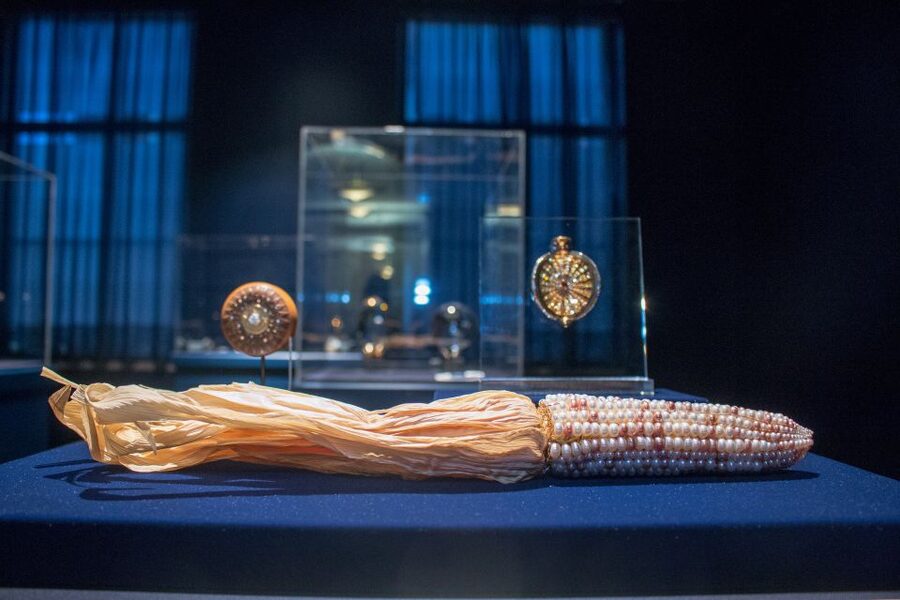
The small group option is the better value if you want guidance without paying for a fully private experience. The maximum group size is eight, which keeps the format personal enough for questions and makes it easier to stay near the guide.
A private tour makes more sense for families, couples with a strong interest in one subject, or anyone who wants to control the pace. You can spend longer at the Hope Diamond, linger in Ocean Hall, or move more quickly through sections that do not interest you as much.
The semi-private option requires at least two participants. If that minimum is not met, you will be offered a refund or another date. This is worth checking when you are booking alone or during a quieter travel period.
At $86 per person, the price is not the cheapest way to enter a free national museum. The value comes from the time saved, the guided route, the small group size, and the explanations. If you already know the museum well and only want to wander, you may prefer to explore on your own. If this is your first visit and your Washington schedule is tight, the price can make sense because you are paying for direction and interpretation, not just admission.
Practical details that can affect your day
The meeting point varies by the option you book, so check your confirmation carefully. The tour begins and ends at the meeting point, and hotel pickup and drop-off are not included.
Bring valid photo identification. The information asks for a passport or ID card, so do not leave identification at your hotel. Large luggage is not allowed, and security permits only handbags or small thin backpacks. Pack light, especially if the museum is one stop in a longer day around the National Mall.
Appropriate dress is required for entry into some sites on the tour. The tour is listed as a walking experience, and wheelchair tours are mentioned as available by request, but the activity is also marked as not suitable for wheelchair users. If you need an accessible route, contact the provider before booking and get clear confirmation.
The museum can close without advance warning. If opening is delayed by more than an hour, an alternative is provided, but the supplier does not offer refunds or discounts for those museum management closures. Build a little flexibility into your schedule rather than placing this tour immediately before a fixed appointment.
You can cancel up to 24 hours in advance for a full refund, and the reserve-now, pay-later option keeps your plans flexible. Starting times vary, so check availability for the date you want.
Who should book this Natural History Museum tour?
I would recommend it most strongly to first-time visitors, families, and anyone with limited time in Washington. You get the famous stones, real mummies, marine life, fossils, and giant animals in one organized visit, with a guide who can adjust the emphasis.
It is also a good choice for curious teenagers. Leigh’s success with a 16-year-old shows how much storytelling matters here, and the mix of whales, mummies, diamonds, fossils, and polar animals gives young visitors several ways into the museum.
You may not need it if you plan to spend a full day at the museum, enjoy reading every label, or already have a firm list of rooms you want to see. The tour is a highlight route, not a replacement for independent time.
Should you book it?
Book this tour if you want the museum’s greatest hits without losing time to navigation. The strongest reasons are the small group size, the engaging named guides, and the range of stops, from the Hope Diamond to Phoenix the whale and the Fossil Lab.
Skip it if you prefer a slow, self-guided visit or want to include temporary exhibits. At $86, the cost is justified by focus and expert explanation rather than entry alone. For a first visit, a family outing, or a short Washington stay, that trade is likely worth making.
FAQ
How long does the National Museum of Natural History tour last?
The tour lasts 2.5 hours and ends back at the meeting point.
Is the tour private or shared?
You can choose a private tour or a small group tour. Shared groups have no more than eight people.
What language is the tour offered in?
The live tour guide speaks English.
Does the tour include the Hope Diamond?
Yes. The route includes the 46-karat Hope Diamond, the Dom Pedro Aquamarine, and the Star of Asia Sapphire.
Can I bring luggage into the museum?
No. Large bags and luggage are not allowed. Security permits handbags or small thin backpacks.
What happens if the museum closes or opens late?
The museum may close without advance warning. If its opening is delayed by more than one hour after the tour start time, an appropriate alternative is provided. The supplier does not provide refunds or discounts for these museum management closures.
More History Tours in Washington DC
- DC Monuments & History Guided E-Cart Tour-Blankets
★ 4.5 · 450 reviews - Historic Georgetown: History, Gossip, & Architecture Walking Tour
★ 5.0 · 321 reviews - DC’s Original Food and History Walking Tour
★ 5.0 · 255 reviews - Smithsonian Museum of American History Exclusive Guided Tour
★ 5.0 · 245 reviews
Just added in Washington DC
- Washington DC: Highlights Guided Walking Tour★ 4.6 · 6 reviews
- Washington DC: Private Custom Tour with a Local Guide★ 4.9 · 4 reviews
- Washington, DC: Thanksgiving Day Lunch Cruise★ 4.7 · 3 reviews
- Thomas Jefferson Monticello Small Group Day Tour from DC★ 4.8 · 16 reviews
- Washington: Mt. Vernon, Alexandria & Arlington Cemetery Tour★ 3.4 · 8 reviews
- Washington D.C.: The Ghosts of Washington D.C. Walking Tour★ 4.6 · 14 reviews
- Washington, DC: The Good Liar: Brian Curry★ 5.0 · 3 reviews
- From NYC: Washington DC 1 Day Tour and Free Time for Museums★ 4.4 · 5 reviews
Smithsonian Museum Tours, compared.
Guided African American History Tour with Reserved Museum Entry
Read our review →
Smithsonian Museum of Natural History – Exclusive Guided Tour
Read our review →
African American History Tour with Museum of African American History Ticket
Read our review →

Smithsonian Museums Walking Tour with Reserved Air & Space Entry
Read our review →
Smithsonian Museum of American History Exclusive Guided Tour
Read our review →
The Smithsonian National Air & Space Museum Exclusive Guided Tour
Read our review →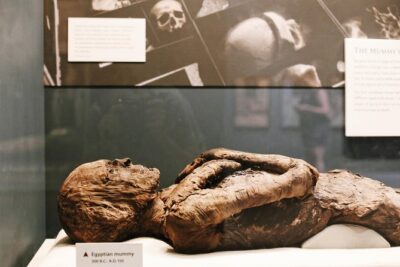
Smithsonian Museum of Natural History Small Group Tour: 8ppl Max
Read our review →Browse the lists this tour appears in