
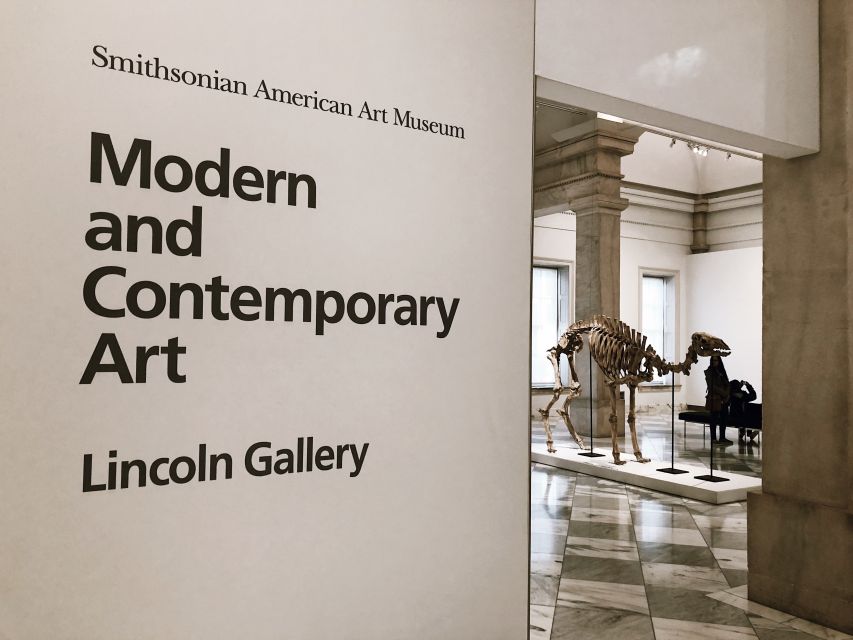
Reviewed · SMITHSONIAN MUSEUM TOURS
National Portrait Gallery & American Art Museum Guided Tour
The most surprising part of this tour begins before you see a single painting. The National Portrait Gallery and American Art Museum share the grand Old Patent Office Building, a former Civil War hospital where Walt Whitman helped wounded soldiers. The building gives the art a strong sense of place.
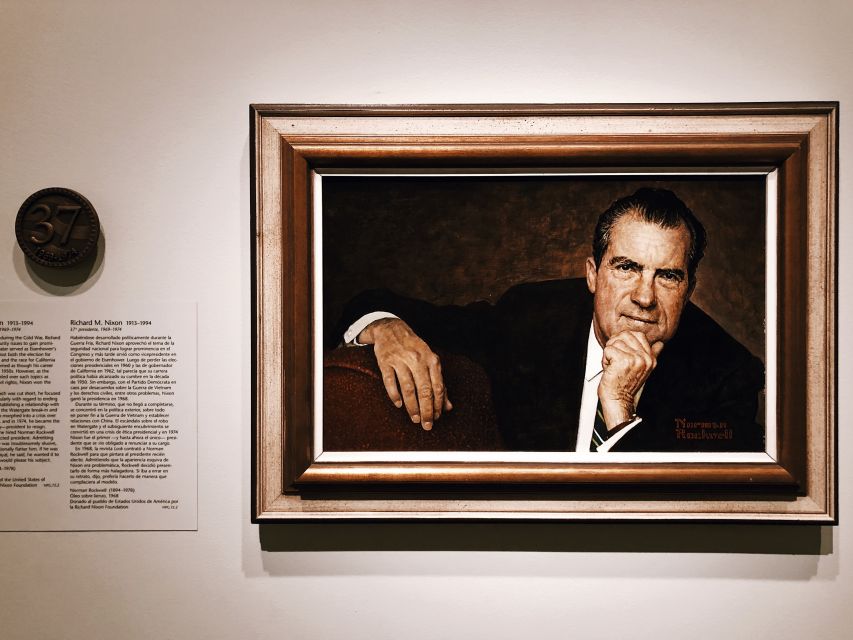
I like the presidential portrait collection, which turns a familiar list of American leaders into a visual story of power, personality, and changing fashion. I also like the chance to see the Greensboro Lunch Counter, a plain object with a direct link to the Civil Rights Movement. The main drawback is the brisk 2 to 2.5 hour schedule. You will see highlights, not every room.
- Old Patent Office Building: Explore a landmark that once served as a Civil War hospital.
- Presidential portraits: See presidents and first ladies alongside other figures who shaped the country.
- Civil Rights history: Stand before the Greensboro Lunch Counter, a powerful historical object.
- American art favorites: Look for Mary Cassatt, Edward Hopper, David Hockney, and Georgia O’Keeffe.
- Personal guide time: Private and small group options allow more room for questions.
- Practical format: The tour runs in English and involves a moderate amount of walking.
Two museums, one remarkable old building
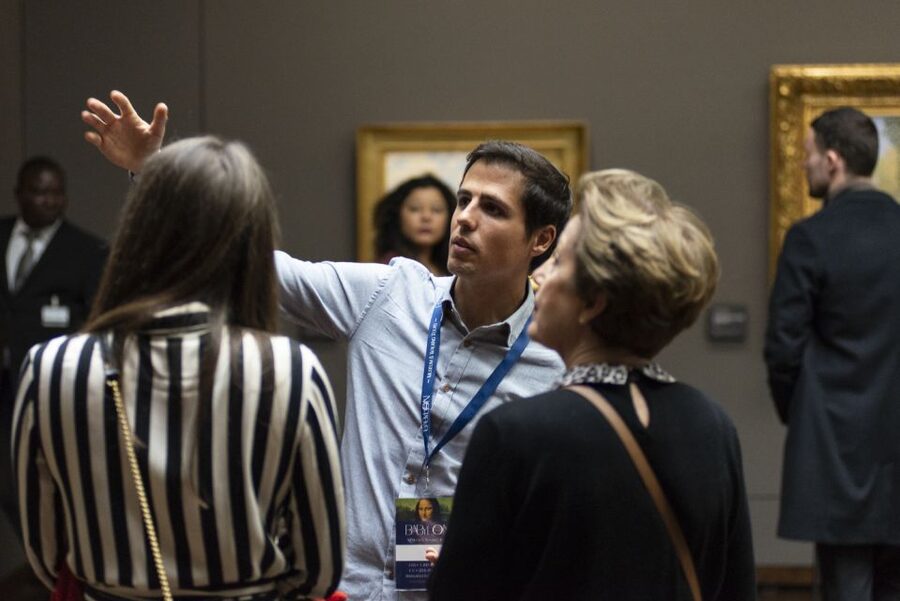
This experience brings together two major Washington institutions under one roof: the National Portrait Gallery and the American Art Museum. That arrangement makes the tour easy to follow, but the building itself deserves attention.
The Old Patent Office Building began its connection with art exhibitions as early as 1829. During the Civil War, it served as a hospital. Walt Whitman helped injured soldiers there, and his portrait is now part of the collection inside the same building. That link gives the visit an unusual human thread: a place of wartime suffering later became a home for portraits, photographs, and paintings.
Your guide helps you read the building as part of the museum experience rather than treating it as a corridor between galleries. The architecture is historical, the collections are broad, and the route moves from people and public life into American art.
The tour is available as a private or small group experience. That matters here because the collections cover a lot of ground. With fewer people, you have a better chance to ask why a work matters, how an artist fits into American culture, or what a portrait leaves out.
Reading America through faces
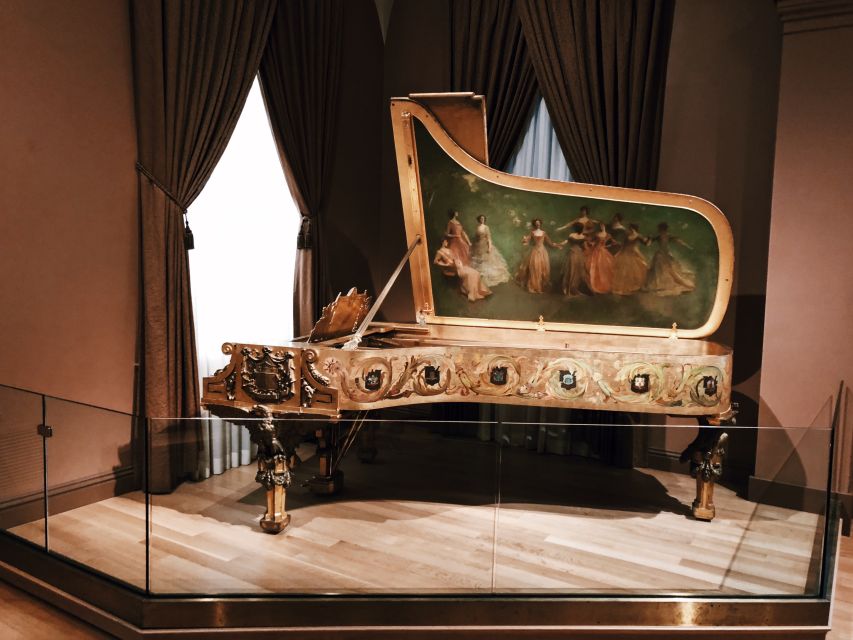
The National Portrait Gallery section gives you a people-first introduction to United States history. Presidents and first ladies take up much of the public story, but the collection reaches well beyond the White House.
You will see major military figures from the Civil War, including Grant and Sherman. These portraits are useful when you want more than names and dates. A guide can point out how military leaders were presented, how authority was expressed, and how public memory took shape after the war.
The collection also includes 19th-century daguerreotypes. These early photographs have a different feel from later portraits. They are precise, formal, and often carefully staged. Your guide can help explain why sitting for a photograph was a serious event at the time, rather than a quick picture taken on a phone.
The route then moves into the early 20th century, with figures connected to the Robber Baron era and the Suffragette movement. This shift gives you a useful contrast. Wealth, industry, reform, and women’s political rights all appear through individual faces and objects.
I find this approach more engaging than a simple parade of famous names. A portrait can reveal clothing, posture, setting, and public image. It can also leave questions unanswered, which is where a good guide earns the fee.
More Smithsonian museum tours in Washington DC:
- Guided African American History Tour with Reserved Museum Entry
★ 4.5 · 1,180 reviews - Smithsonian Museum of Natural History – Exclusive Guided Tour
★ 5.0 · 446 reviews - African American History Tour with Museum of African American History Ticket
★ 4.5 · 390 reviews
The Greensboro Lunch Counter and the weight of ordinary objects
The Greensboro Lunch Counter is one of the most important stops on the tour. It is not grand, decorative, or visually complex. Its power comes from what happened around it.
The counter is linked to the Civil Rights Movement and serves as a physical touch point for that struggle. Seeing an object connected to protest can make the period feel less distant. Instead of only hearing about laws and speeches, you encounter a place associated with everyday segregation and resistance.
This is also where the guide’s role matters. A short explanation can provide the needed context without turning the stop into a lecture. The activity description promises attention to the story behind important art and objects, and this is one of the clearest examples.
Some museum rooms have rules requiring quiet or limiting when a guide may speak. If that applies, your guide will explain the room’s contents before you enter. That keeps the tour moving while respecting museum rules.
Crossing into the American Art Museum
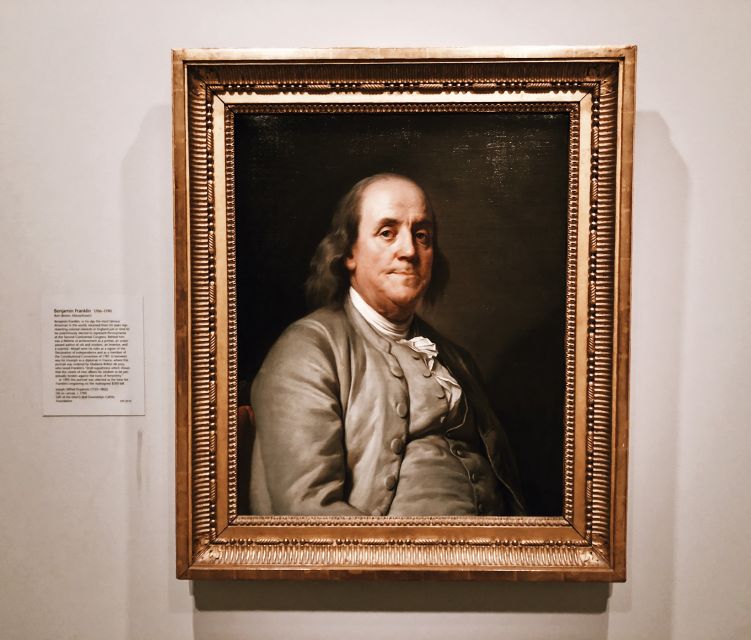
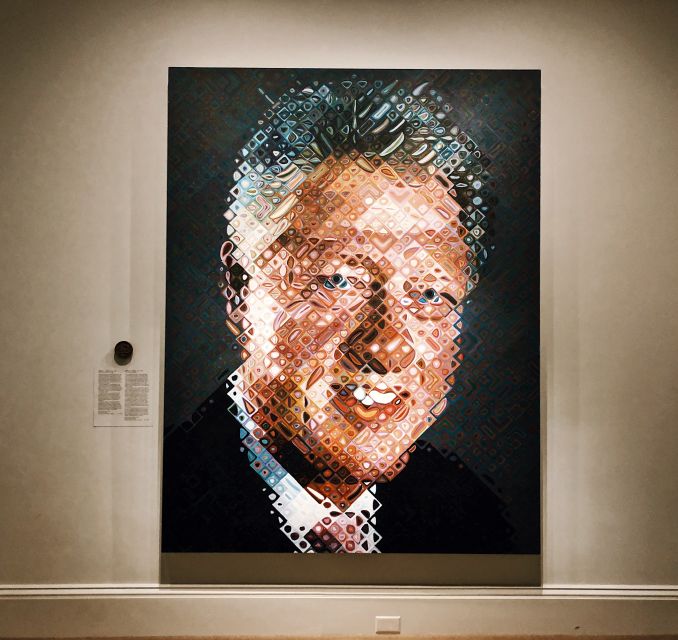
The second part shifts from portraits and public figures to American painting, photography, and modern work. The change is useful because you begin to see the country through artistic movements as well as biographies.
Mary Cassatt is among the artists included. Her presence gives the tour a connection to Impressionism and to the work of an American artist who became closely linked with European art circles. You may also encounter Edward Hopper and David Hockney, two artists whose works can prompt very different responses to modern life and personal space.
Georgia O’Keeffe’s flowers bring another kind of discussion. They are recognizable, but they are not merely pretty botanical images. Their scale and form invite questions about abstraction, the body, perception, and why certain paintings provoke strong reactions.
The tour also includes a portrait of former President Barack Obama. The work is not presented as a neutral likeness, and its unusual qualities can lead to a discussion of how a modern president is remembered. That is a good example of the tour’s larger purpose: not simply showing famous objects, but helping you think about why they look the way they do.
WPA photographs and modern works that need explanation
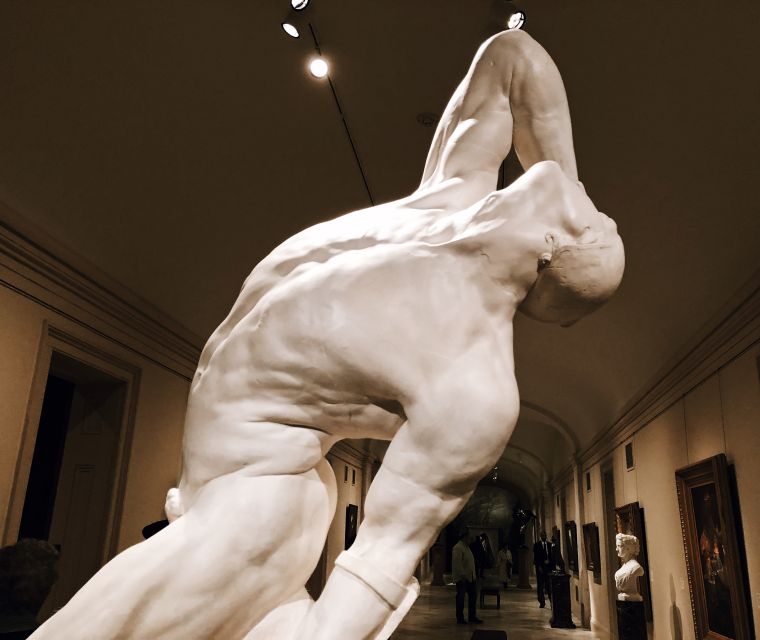
The American Art Museum section also covers WPA-era photography from the Great Depression. These photographs helped shape the way a nation saw itself during a difficult period. They can be read as records of hardship, but also as carefully framed images that influenced public understanding.
A guide adds value here by explaining the purpose and setting behind the photographs. Without context, you may see only an old black-and-white image. With context, you can consider who took it, who viewed it, and what the picture was meant to accomplish.
The final part includes newer works that may not offer an instant answer. You might find yourself wondering what you are supposed to see or why a piece belongs in a national collection. That is not a flaw in the tour. It is one of the useful moments, provided the guide gives you a way into the work rather than simply telling you what to think.
The experience promises help with art that can leave you scratching your head. I value that practical approach. You do not need a background in art history to take part, and you are not expected to admire every piece.
More museum tours in Washington DC:
- National Mall Tour with 10 Stops & U.S. Capitol or Museum Entry
★ 4.5 · 331 reviews - Washington, DC: African American History Tour & Museum Entry
★ 4.9 · 312 reviews - Smithsonian Museums Walking Tour with Reserved Air & Space Entry
★ 5.0 · 297 reviews - Capitol Combo: U.S. Capitol + Library Congress or Capitol Museum
★ 4.5 · 294 reviews
What the guide adds to the visit
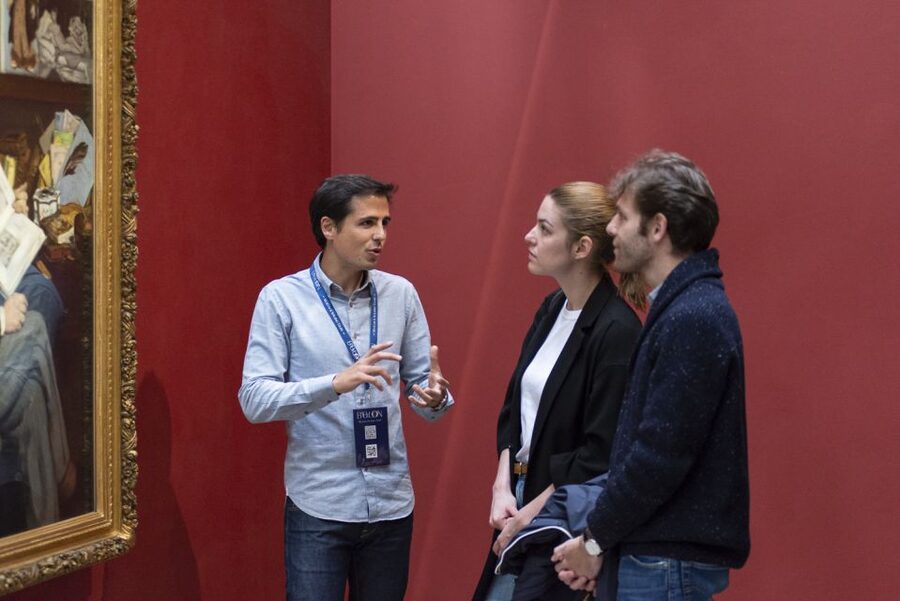
This is a highlights tour, so the guide shapes the experience. The strongest feature is the personal element. Rather than wandering through two large museums and hoping you happen upon the right rooms, you receive a route with a clear purpose.
Leigh is one possible guide. The tour can also be led by Bess, whose role includes pre-tour check-in and follow-up after the visit. If your guide is Leigh or Bess, you can expect a human-led experience rather than an audio guide or a fixed script. Guide assignments can vary, so those names should not be treated as a guarantee.
The activity has received a top rating from six published evaluations, with particular praise for the guides’ ability to explain art clearly and make the time feel personal. The practical lesson is simple: book this if conversation and interpretation matter to you. If you prefer to move at your own pace and read every label, independent museum time may suit you better.
A private or small group format is especially helpful for questions. You can ask about a painting that puzzles you, request more time with a presidential portrait, or connect a work to a historical period. The exact group size depends on the option you choose.
Is $86 a fair price?
At $86 per person, this is not the cheapest way to enter a museum. The price makes more sense if you want a focused route through two collections and the help of a professional art historian.
You are paying for interpretation, not just admission. The guide connects the Old Patent Office Building, political history, early photography, Civil Rights history, and American painting within 2.5 hours. That can save you from spending half a day moving through rooms without a clear sense of what you are seeing.
The value drops if you already know these collections well or want a long, leisurely museum visit. Temporary exhibitions are not included, and the tour does not promise time for every gallery. You also need to account for the moderate amount of walking and the fact that there is no hotel pickup or drop-off.
For a first visit to these museums, the cost is easier to justify. For repeat visitors, choose the tour only if you want a fresh reading of familiar works or prefer a guide to set the route.
Timing, security, and what to bring
The tour lasts about 2 to 2.5 hours, and starting times vary. Check the available time before booking and leave enough space in your day for security and the museum route.
Bring valid photo identification, such as a passport or ID card. Large bags and luggage are not allowed. Only handbags or small, thin backpacks can pass through security, so leave suitcases and bulky day bags elsewhere.
The meeting point can vary by booking option, and the activity ends back at the meeting point. Read the meeting instructions closely so you are not searching around the building at the last minute.
Museum management can occasionally close areas without advance warning. If opening is delayed by more than one hour, an appropriate alternative is provided, but the supplier does not provide refunds or discounts in that situation.
Who should book this Washington tour?
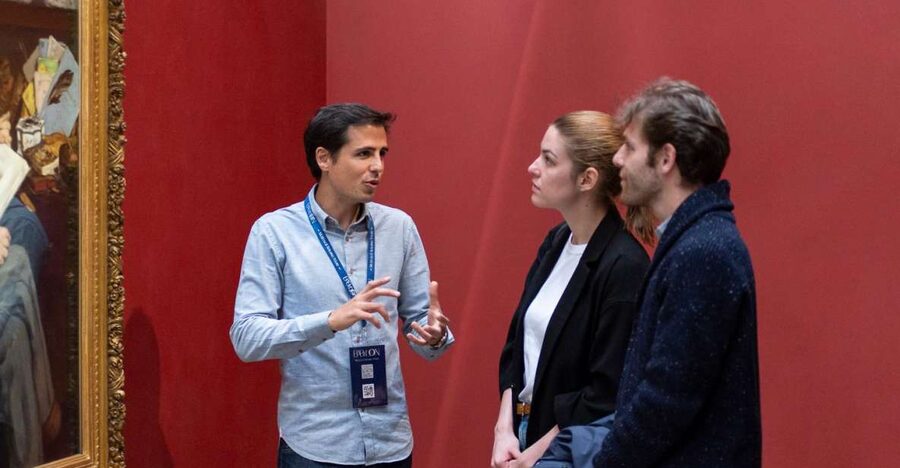
I would choose this for a first-time Washington visitor who wants art and history in the same outing. It also suits anyone who prefers a clear route, enjoys asking questions, or feels unsure how to approach modern art.
The tour works well for couples and small groups who want a more personal experience. The six top ratings and repeated praise for Leigh and Bess point to the importance of the guide, though your assigned guide may be different.
Families with older children may appreciate the mix of presidents, war history, Civil Rights material, photographs, and bold modern art. The amount of walking is moderate, so plan accordingly.
This is not the best fit for someone carrying luggage, someone seeking temporary exhibitions, or someone who wants complete wheelchair access. The activity information says it is not suitable for wheelchair users, so contact the provider before booking if accessibility is important.
Should you book it?
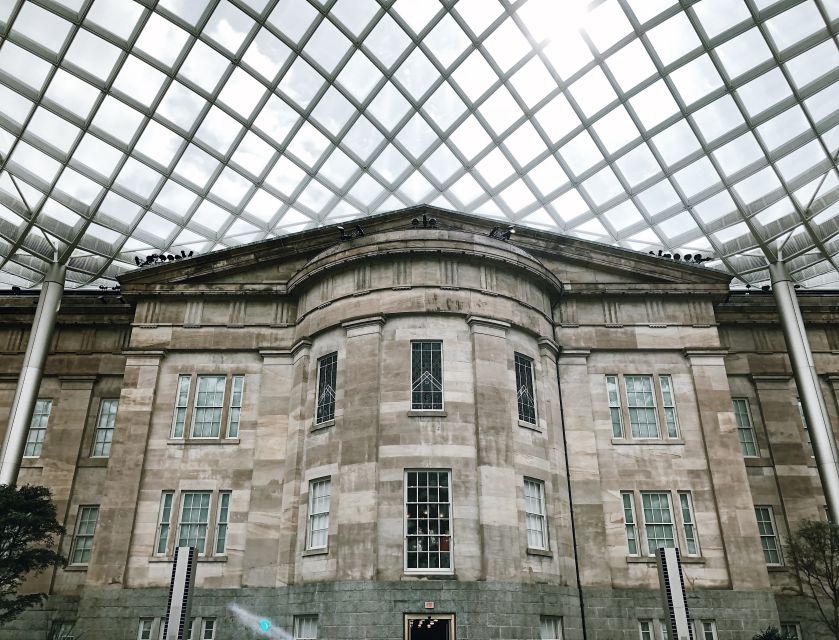
Book this tour if you want the Old Patent Office Building and its collections explained as one connected story. The presidential portraits, Greensboro Lunch Counter, WPA photographs, and American paintings give you plenty of variety, while a professional guide helps the visit feel purposeful.
Skip it if you want to see every gallery at your own speed or if $86 feels high for a highlights visit. For most first-time visitors who value context and conversation, the combination of two museums, a historic building, and a small group guide makes this a strong use of an afternoon.
FAQ
How long does the tour last?
The tour lasts about 2 to 2.5 hours.
What museums are included?
The experience includes the National Portrait Gallery and the American Art Museum, both housed in the Old Patent Office Building.
What can I see at the National Portrait Gallery?
You can see presidential and first lady portraits, Civil War figures such as Grant and Sherman, 19th-century daguerreotypes, and figures connected with the Robber Baron and Suffragette eras.
Is the Greensboro Lunch Counter included?
Yes. The tour includes the Greensboro Lunch Counter, which is connected to the Civil Rights Movement.
Which artists are included at the American Art Museum?
The tour includes works by Mary Cassatt, Edward Hopper, David Hockney, and Georgia O’Keeffe. It also discusses a portrait of former President Barack Obama and WPA-era photography.
Is the tour private?
Private and small group options are available. The exact format depends on the option you book.
What language is the tour offered in?
The live tour guide speaks English.
What should I bring?
Bring valid photo identification, such as a passport or ID card.
Can I bring luggage or a large backpack?
No. Luggage and large bags are not allowed. Only handbags or small, thin backpacks are permitted through security.
Is the tour wheelchair accessible?
The activity information says it is not suitable for wheelchair users. If you need an accessible tour, advise the provider when booking so they can clarify the available arrangements.
Just added in Washington DC
- Washington DC: Express Morning or Night-Time Monuments Tour★ 3.2 · 3 reviews
- Washington, DC: Georgetown Architecture Walking Tour★ 5.0 · 8 reviews
- Washington D.C.: Georgetown Guided Secret Food Tour★ 3.9 · 7 reviews
- Washington DC: E-Bike Rental★ 4.3 · 7 reviews
- Washington DC: Christmas Eve Gourmet Brunch or Dinner Cruise★ 4.2 · 6 reviews
- Washington DC Day Tour – Private Tour★ 4.1 · 3 reviews
- Washington DC: After Dark Night-Time Sightseeing Tour★ 3.8 · 6 reviews
- Washington DC: Best of Capitol Hill Guided Bike Tour★ 3.2 · 7 reviews
Smithsonian Museum Tours, compared.
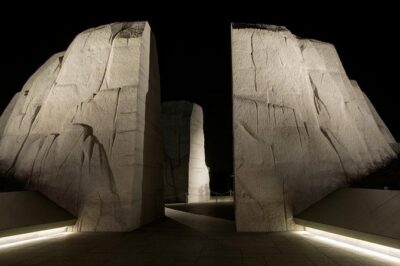
Guided African American History Tour with Reserved Museum Entry
Read our review →
Smithsonian Museum of Natural History – Exclusive Guided Tour
Read our review →
African American History Tour with Museum of African American History Ticket
Read our review →
Smithsonian Museums Walking Tour with Reserved Air & Space Entry
Read our review →
Smithsonian Museum of American History Exclusive Guided Tour
Read our review →
The Smithsonian National Air & Space Museum Exclusive Guided Tour
Read our review →
Smithsonian Museum of Natural History Small Group Tour: 8ppl Max
Read our review →Browse the lists this tour appears in