
Reviewed · SMITHSONIAN MUSEUM TOURS
Smithsonian Natural History + Museum of American History 8ppl Max
The best thing about this five-and-a-half-hour tour is its focus. Instead of wandering through two enormous Smithsonian museums and hoping you find the famous rooms, you follow a guide to Henry the elephant, the Hope Diamond, the fossil halls, Dorothy’s ruby slippers, the First Ladies exhibit, and the Star-Spangled Banner. The small group, capped at eight, makes it easier to ask questions and shape the visit around your interests.
I like the way the tour pairs the natural world with American culture, and I like the human scale of the experience. Guides such as Brenda and Richard have been praised for a relaxed pace, clear explanations, and the ability to adjust the route. The main drawback is time: two huge museums in five hours means highlights rather than a full visit, and the lunch break is short.
Key points at a glance
- Henry the elephant opens the day: Start with one of the museum’s most memorable sights before moving to gems, fossils, and wildlife.
- Two Smithsonian museums in one outing: The schedule covers Natural History first, then American History after a break.
- No more than eight people: A small party gives you a better chance to ask questions and request extra attention in areas that interest you.
- Famous objects get their backstory: See the Hope Diamond, Dorothy’s ruby slippers, the Star-Spangled Banner, the Greensboro Lunch Counter, and more.
- A guide helps with the big picture: The tour links science, popular culture, war, politics, family life, and civil rights.
- Plan for museum security: Bring only a handbag or small thin backpack, and leave large bags and suitcases elsewhere.
Why this pairing works in Washington
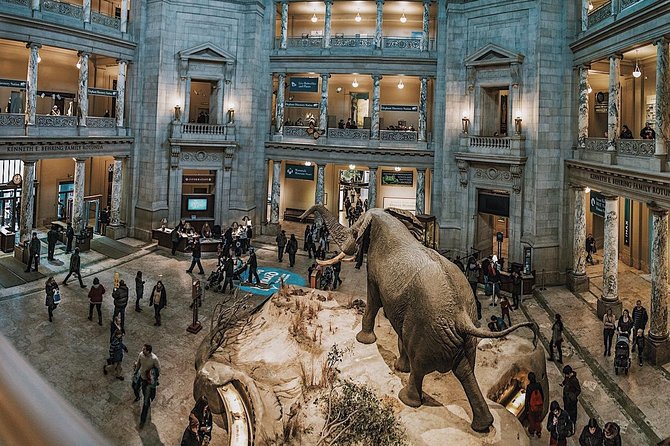
Washington’s Smithsonian museums are free to enter, but free does not mean simple. The National Museum of Natural History and the National Museum of American History are packed with rooms, cases, signs, and famous objects. On your own, you can spend half an hour finding the right floor, then another hour trying to decide what deserves your attention.
This tour gives you a route through both buildings. You begin at 10:00 a.m. at 1010 Madison Drive NW, then spend about two and a half hours in Natural History. After a break, you move to American History for another two and a half hours. The activity ends back at the meeting point.
I like this order. Natural History starts with broad questions about the planet and its creatures. American History then turns toward the choices, conflicts, inventions, and symbols that shaped life in the United States. The two museums feel different, but together they create a lively day of science, memory, and culture.
This is also a good fit for a first visit. You will not see every gallery, but you will leave with a useful map of what each museum does best. If a display catches your attention, you can return later on your own with a clearer idea of where to go.
More Smithsonian museum tours in Washington DC:
- Guided African American History Tour with Reserved Museum Entry
★ 4.5 · 1,180 reviews - Smithsonian Museum of Natural History – Exclusive Guided Tour
★ 5.0 · 446 reviews - African American History Tour with Museum of African American History Ticket
★ 4.5 · 390 reviews
Starting with Henry at Natural History
The first stop is the Smithsonian National Museum of Natural History, home to the world’s largest Natural History collection. That scale can feel overwhelming, so having a guide point out the leading sights matters.
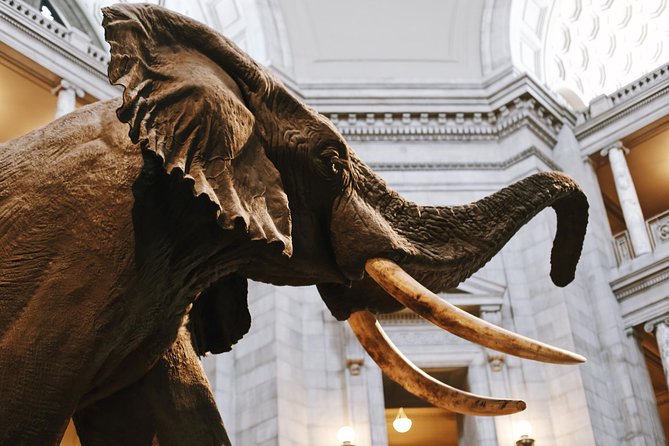
Henry the elephant provides the grand welcome. He is described as the world’s largest taxidermied elephant, and his size gives the opening room an immediate sense of occasion. This is the sort of object that works for children, adults, and anyone who prefers a museum visit to begin with something unmistakable.
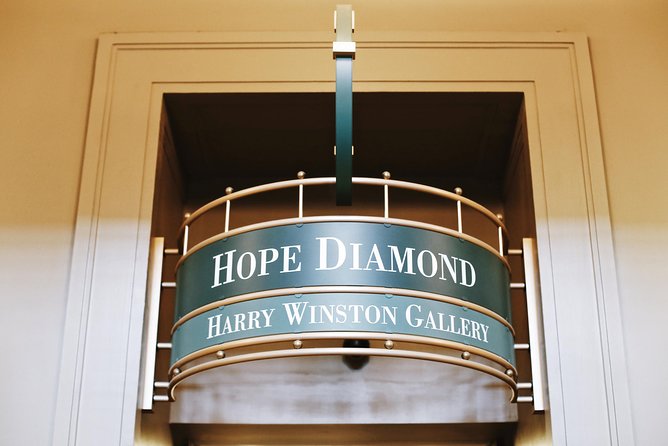
From there, the tour brings you to the Hope Diamond, one of the Smithsonian’s most famous treasures. Its supposed curse adds a little drama, but the real value is the chance to connect a glittering stone with geology, ownership, and public fascination. Your guide can help turn a quick look at a jewel into a story about why certain objects become cultural legends.
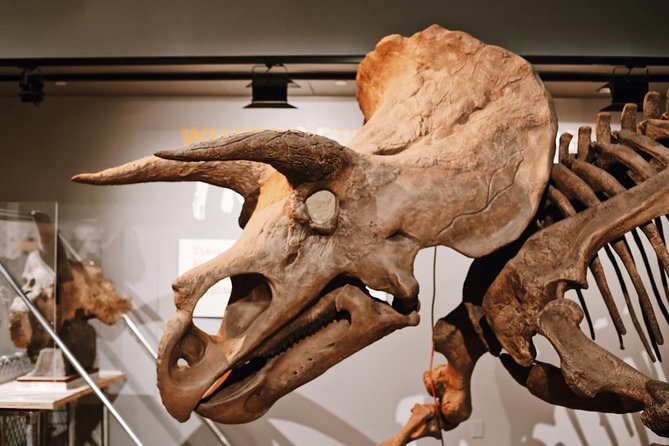
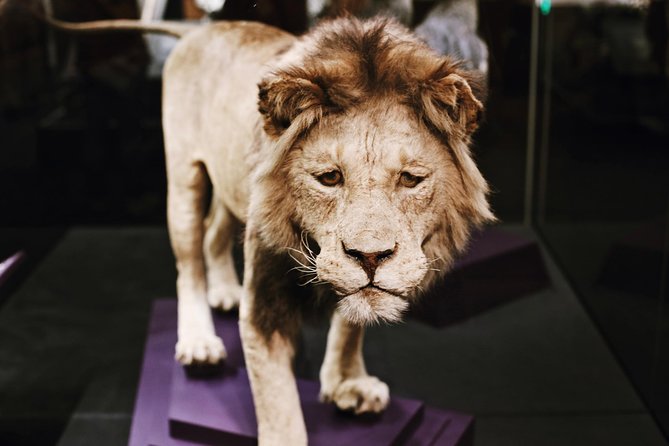
The fossil halls provide another major anchor. The renovated galleries include a Mastodon, a T-Rex, and a Diplodocus. These displays make the museum feel less like a cabinet of curiosities and more like a record of vanished worlds. I would pay close attention here, especially if you have children with you. Large skeletons offer an easy way into questions about extinction, movement, and the changing shape of life on Earth.
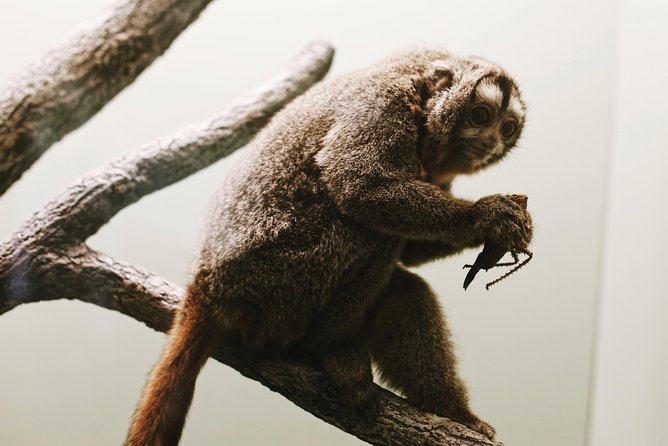
The Natural History portion also includes stones, bones, and insects. That variety is part of the fun, but it can make an unguided visit feel scattered. A guide gives these rooms a thread, helping you decide when a small specimen deserves attention and when it is better to keep moving toward a major gallery.
Two and a half hours is enough for a strong introduction, not a full survey. You may want more time with the fossil displays or gemstones, but the schedule protects you from spending the entire day in one building. That balance is useful if American History is equally important to you.
From fossils to Dorothy’s ruby slippers
After Natural History, you get a break before the second museum. This pause matters. Five hours in museums can become tiring, especially if you read every label and stop often for photographs. The available information does not promise a long meal period, so plan to keep this break practical. One past experience with a related museum day noted that the lunch window felt rushed, so do not count on a leisurely restaurant meal.
The National Museum of American History changes the mood. Here, the objects are tied to familiar stories, personal memories, entertainment, politics, war, transportation, and daily life. The museum asks what Americans choose to preserve and which objects become symbols of a wider national experience.
Dorothy’s ruby slippers are an obvious crowd-pleaser. They rival the Hope Diamond in fame, but they tell a different kind of story. The slippers connect Hollywood, childhood memory, costume design, and the power of a single film image. They also provide a good reminder that American history is not limited to presidents and battlefields.
The First Ladies exhibit is another central stop. It is described as the most visited exhibit in Smithsonian history, and it offers a look at public image, fashion, political life, and the changing role of the president’s spouse. The display works best when you look beyond clothing. The objects can show how women in the White House represented themselves, supported causes, and managed public expectations.
The Star-Spangled Banner brings the visit into a more solemn register. The flag flew over Fort McHenry during the War of 1812 and helped inspire the national anthem. Seeing it in person connects a familiar song with a specific military event and with the way national symbols are created over time.
The Greensboro Lunch Counter adds a different kind of weight. It recalls the civil rights struggle and shows that American history is also found in places tied to protest, exclusion, and ordinary acts of courage. This is one reason a guide is useful. The object is simple, but its meaning depends on the events around it.
Cars, kitchens, trains, and everyday America
The American History museum is not only about grand symbols. The tour also moves through cars, trains, kitchens, military uniforms, political material, and Hollywood items. These displays can be especially rewarding because they bring national stories down to household size.
A kitchen can show how work, technology, and family routines changed. A car can point to movement, industry, and personal freedom. A train can suggest travel, commerce, and national connection. Military uniforms and political objects place individual lives within larger conflicts and public debates.
I like this mix because it prevents the museum from becoming a parade of famous names. You get the official symbols, then the material people used, wore, watched, and lived with. If your interests lean toward popular culture or social history, tell your guide early. The small group makes it more realistic to spend extra attention in the areas that matter most to you.
The museum also rewards comparison. Dorothy’s slippers are a piece of entertainment history, while the lunch counter is tied to protest. The flag represents national identity, while kitchen and transportation displays show how that identity was lived in homes and communities. A good guide can make these connections without turning the visit into a lecture.
More museum tours in Washington DC:
- National Mall Tour with 10 Stops & U.S. Capitol or Museum Entry
★ 4.5 · 331 reviews - Washington, DC: African American History Tour & Museum Entry
★ 4.9 · 312 reviews - Smithsonian Museums Walking Tour with Reserved Air & Space Entry
★ 5.0 · 297 reviews - Capitol Combo: U.S. Capitol + Library Congress or Capitol Museum
★ 4.5 · 294 reviews
What the eight-person limit changes
The maximum group size is eight, and that is one of the strongest reasons to consider paying for this experience. In a huge public museum, a large group can clog a gallery and make questions awkward. An eight-person party is easier to keep together and easier for a guide to hear.
The human scale also supports a flexible pace. Brenda has been praised for asking about interests and shaping the route around them. Richard has been praised for keeping the Natural History visit informative and well paced. Those details matter more than a long list of credentials. You want a guide who notices when you are fascinated by fossils, bored by political displays, or eager to see the First Ladies collection.
This is not a private tour, however. You may share the experience with other members of the small group, and the route still has to keep moving. The group guarantee means no more than eight people, not a personal museum docent assigned only to you.
The guides also need to follow museum rules. Some rooms require very quiet behavior or limit speaking, and your guide will explain those restrictions before you enter. Occasional closures or changes to individual collections can also affect the route.
Price, timing, and practical value
The price is $166.15 per person. Since admission to both Smithsonian museums is free, you are paying for the guide’s time, planning, interpretation, and small-group format rather than entry tickets.
That makes the value depend on how you like to visit museums. If you enjoy reading every label and already know exactly which galleries you want, you can save money by visiting independently. If you are in Washington for a short stay, or if enormous museums leave you unsure where to begin, the guided structure may be worth the cost.
Five and a half hours is a substantial block of your day. You get a focused introduction to two major museums without having to organize the route yourself. The tradeoff is that you will not see everything, and the break between museums is not designed for a long lunch.
The tour is offered in English, with mobile tickets and group discounts listed as features. It begins and ends at the stated meeting point, with no hotel pickup or drop-off. You should be comfortable walking and standing for much of the day, since a moderate level of physical fitness is advised.
Security can slow the start or interrupt the flow. Large bags and suitcases are not allowed inside. Bring only a handbag or small thin backpack, and dress appropriately for museum entry. Increased security can create lines even when a tour is advertised with quick access.
Who should book this museum day
I would choose this tour for a first-time Washington visitor who wants the famous Smithsonian objects with context. It is also a smart option for families, couples, and small groups who would rather ask questions than trail behind a large crowd.
The experience suits you if you want a broad look at both museums. It is less suitable if you want a full day in only one collection, a slow lunch, or extended time with specialist exhibits. Art-focused visitors should note that these are the Natural History and American History museums, not the National Gallery of Art.
Children may respond especially well to Henry, dinosaurs, Dorothy’s slippers, trains, and cars. Adults may appreciate the Hope Diamond, the flag, the First Ladies displays, and the civil rights material. The range keeps the day from feeling aimed at only one age group.
The tour requires at least two people to operate. If that minimum is not met, an alternative or full refund is offered. You also need to provide a mobile phone number with country code so the operator can contact you.
Cancellation and final call
You can cancel at least 24 hours before the 10:00 a.m. start for a full refund. Changes or cancellations within 24 hours are not accepted for a refund, so keep that cutoff in mind when planning a museum-heavy Washington schedule.
I recommend booking this tour if you want help making sense of two enormous museums and value a guide who can adjust the pace. The strongest features are the eight-person limit, the famous-object route, and the mix of natural science with American memory.
Skip it if you prefer to wander alone, need a long lunch, or want to spend five hours in one museum. For everyone else, this is a practical way to see Henry, the Hope Diamond, the fossil halls, Dorothy’s slippers, the Star-Spangled Banner, and the Greensboro Lunch Counter without losing the whole day to museum logistics.
FAQ
How long does the tour last?
The experience lasts approximately five hours and 30 minutes. It includes about two hours and 30 minutes at each museum, with a break between them.
What time does the tour start?
The tour starts at 10:00 a.m. at 1010 Madison Drive NW, Washington, DC 20004.
Where does the tour end?
The activity ends back at the meeting point.
How many people can join the tour?
The group is limited to a maximum of eight travelers.
Are museum admission tickets included?
Admission to both Smithsonian museums is free. The price covers the guided experience rather than an admission charge.
What should I bring into the museums?
Large bags and suitcases are not allowed. Only handbags or small thin backpacks can pass through security. You should also provide a mobile phone number with your country code when booking.
More History Tours in Washington DC
- DC Monuments & History Guided E-Cart Tour-Blankets
★ 4.5 · 450 reviews - Historic Georgetown: History, Gossip, & Architecture Walking Tour
★ 5.0 · 321 reviews - DC’s Original Food and History Walking Tour
★ 5.0 · 255 reviews - Smithsonian Museum of American History Exclusive Guided Tour
★ 5.0 · 245 reviews
Just added in Washington DC
- Washington DC: Highlights Guided Walking Tour★ 4.6 · 6 reviews
- Washington DC: Private Custom Tour with a Local Guide★ 4.9 · 4 reviews
- Washington, DC: Thanksgiving Day Lunch Cruise★ 4.7 · 3 reviews
- Thomas Jefferson Monticello Small Group Day Tour from DC★ 4.8 · 16 reviews
- Washington: Mt. Vernon, Alexandria & Arlington Cemetery Tour★ 3.4 · 8 reviews
- Washington D.C.: The Ghosts of Washington D.C. Walking Tour★ 4.6 · 14 reviews
- Washington, DC: The Good Liar: Brian Curry★ 5.0 · 3 reviews
- From NYC: Washington DC 1 Day Tour and Free Time for Museums★ 4.4 · 5 reviews
Smithsonian Museum Tours, compared.
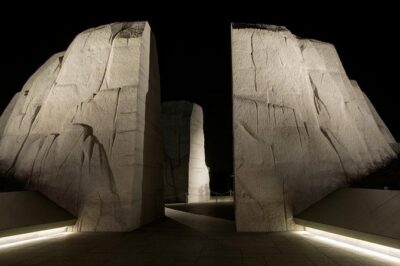
Guided African American History Tour with Reserved Museum Entry
Read our review →
Smithsonian Museum of Natural History – Exclusive Guided Tour
Read our review →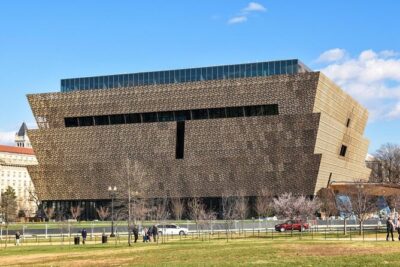
African American History Tour with Museum of African American History Ticket
Read our review →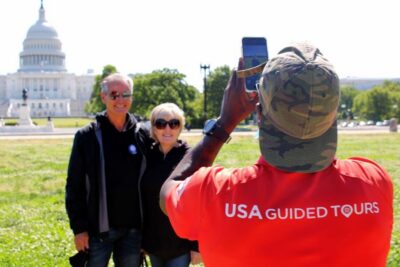

Smithsonian Museums Walking Tour with Reserved Air & Space Entry
Read our review →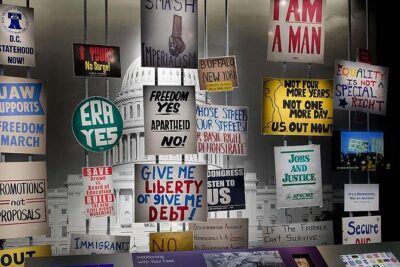
Smithsonian Museum of American History Exclusive Guided Tour
Read our review →
The Smithsonian National Air & Space Museum Exclusive Guided Tour
Read our review →
Smithsonian Museum of Natural History Small Group Tour: 8ppl Max
Read our review →Browse the lists this tour appears in