
Reviewed · SMITHSONIAN MUSEUM TOURS
Smithsonian National Museum of Natural History Guided Tour
The Smithsonian National Museum of Natural History holds more than 145 million specimens, far too much for one visit. This two-hour tour solves the biggest problem: deciding what matters before your feet give out. A guide leads you to dinosaur bones, unusual gemstones, mummies, early human tools, and other major displays while adding context along the way.
I like the time-saving route and the way a good guide can turn a case of objects into a story. I also like that guides such as Nur have connected the museum to Washington itself, giving the visit a wider sense of place. The main drawback is simple: two hours goes fast, and some guides may move quickly or give less time for hands-on exhibits.
Key points to know before you book
- More than 145 million specimens: You get a quick route through one of the world’s largest natural history collections.
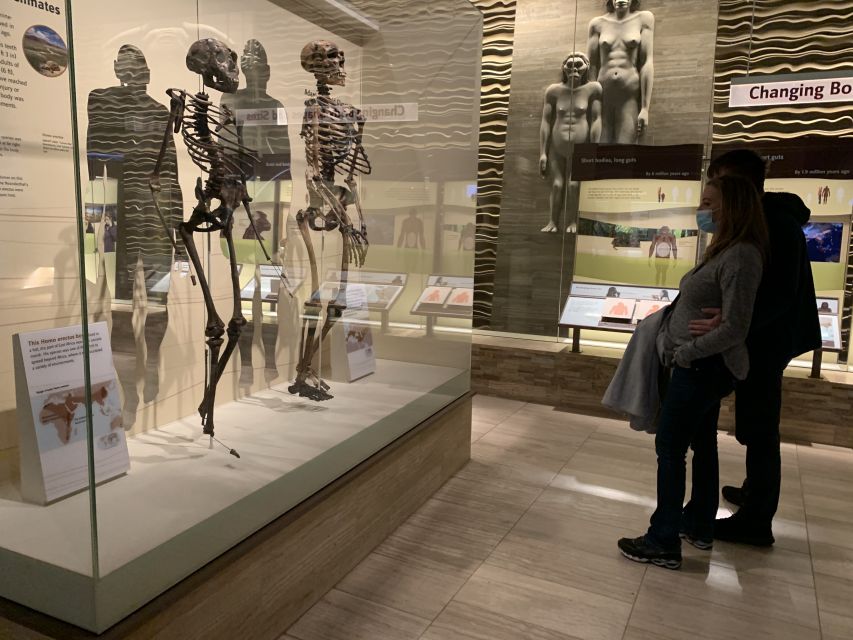
- Major highlights in two hours: Expect dinosaur remains, gemstones, mummies, early human tools, preserved plants, animals, and human artifacts.
- English-speaking guide: Guides including Nur, DC, and Maurice have led this experience, with the exact guide depending on your booking.
- Museum entry is included: The museum itself is free, but the $75 price pays for the guided visit and help with planning your time.
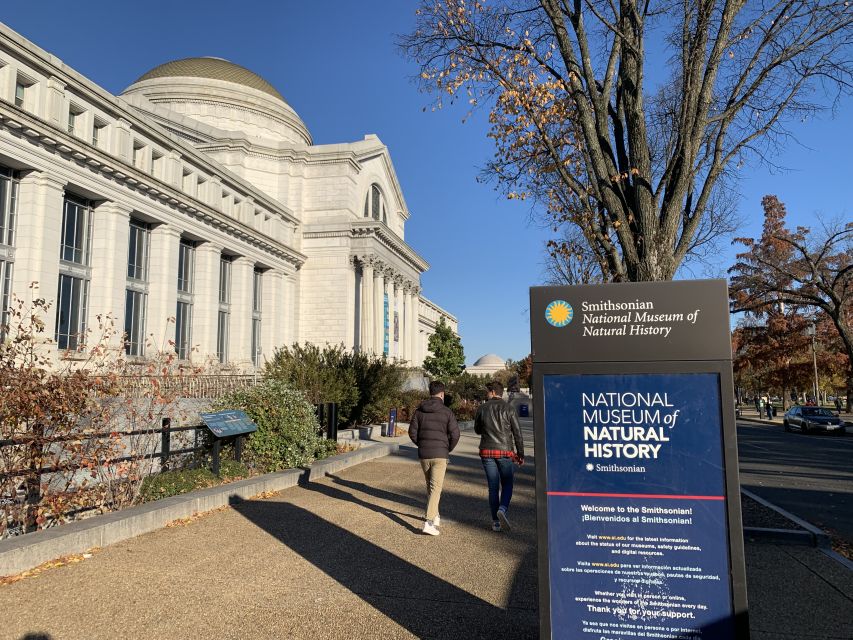
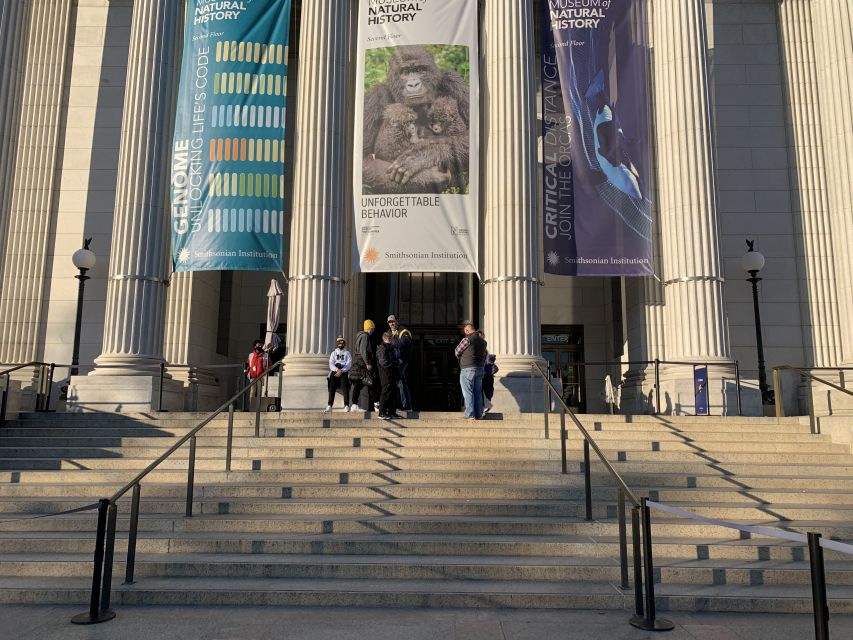
- Meeting point is outside: Find your guide at the bottom of the stairs outside the Smithsonian National Museum of Natural History.
- Best for a focused first visit: You can return afterward to explore interactive displays or rooms skipped during the tour.
Why a guide helps in a museum this large
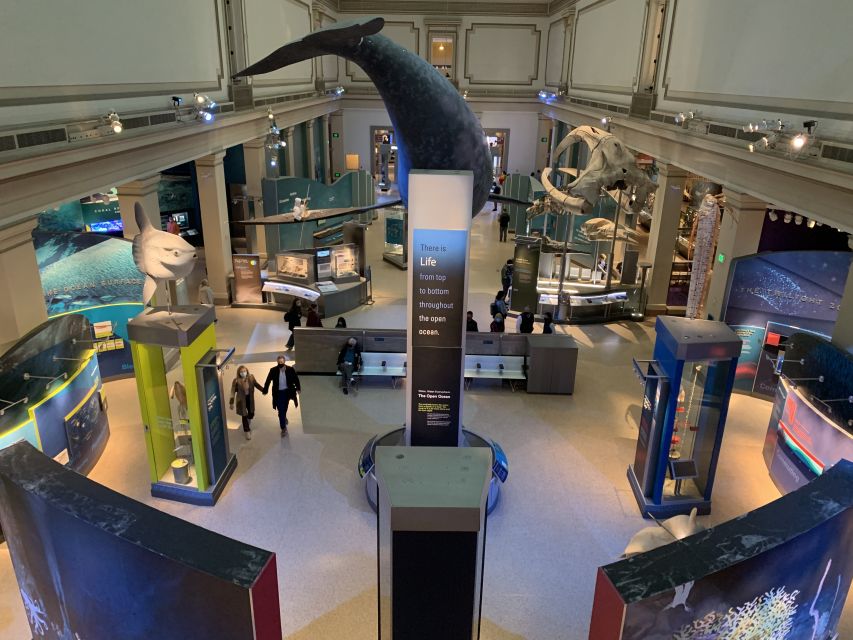
The museum is not difficult to enter, but it can be difficult to use well. Its collection is so large that you could spend a full day reading labels and still leave without seeing several major sections. A guide gives you a path through the noise.
That matters most if this is your first visit to Washington or if you have only a short window before another museum or monument. You do not need to stop at every case. Instead, you can focus on the displays that explain the museum’s main themes: life on Earth, human development, ancient remains, geology, and the history of scientific collecting.
I like this format because a natural history museum can easily become a parade of disconnected objects. A dinosaur bone is impressive on its own, but a guide can place it beside other evidence of past life. A gemstone can be pretty, but a short explanation gives you a reason to look closer. The tour’s value lies in those links.
The experience lasts two hours, so expect a highlights visit rather than a complete survey. You will see a lot, but you will not have time to read every panel or linger at every interactive display. That is a fair trade if your goal is to get your bearings and identify where to spend more time later.
More Smithsonian museum tours in Washington DC:
- Guided African American History Tour with Reserved Museum Entry
★ 4.5 · 1,180 reviews - Smithsonian Museum of Natural History – Exclusive Guided Tour
★ 5.0 · 446 reviews - African American History Tour with Museum of African American History Ticket
★ 4.5 · 390 reviews
Meeting your guide outside the museum
Your meeting point is at the bottom of the stairs outside the Smithsonian National Museum of Natural History. Give yourself enough time to find that spot before the scheduled start, especially if you are arriving with children or carrying bags.
One practical point deserves attention: a past visitor found it hard to identify the guide at the start. There is no stated uniform or special meeting sign in the tour details, so look carefully for the person organizing the group and have your booking information ready. This is a small issue, but it can create needless stress at a busy public building.
The exact guide can vary. Nur has led several highly praised visits, and his approach combines museum exhibits with Washington history. DC has also been described as friendly and interesting, while Maurice received praise for being pleasant, though one visit felt less interactive. Your experience will depend in part on who leads the group and how much discussion you prefer.
Once everyone is gathered, the guide takes over the navigation. You are not paying for a private museum entrance or a special collection access. You are paying for a person who knows where to go and what to explain.
Dinosaur bones and the museum’s biggest draws
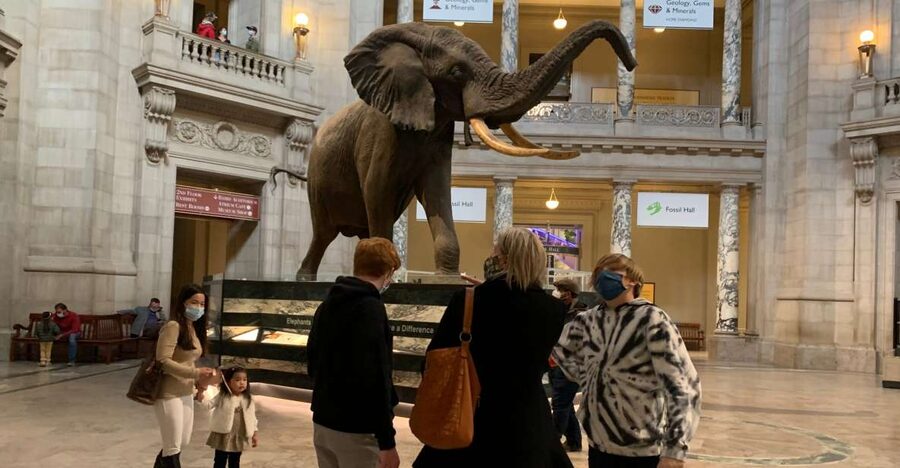
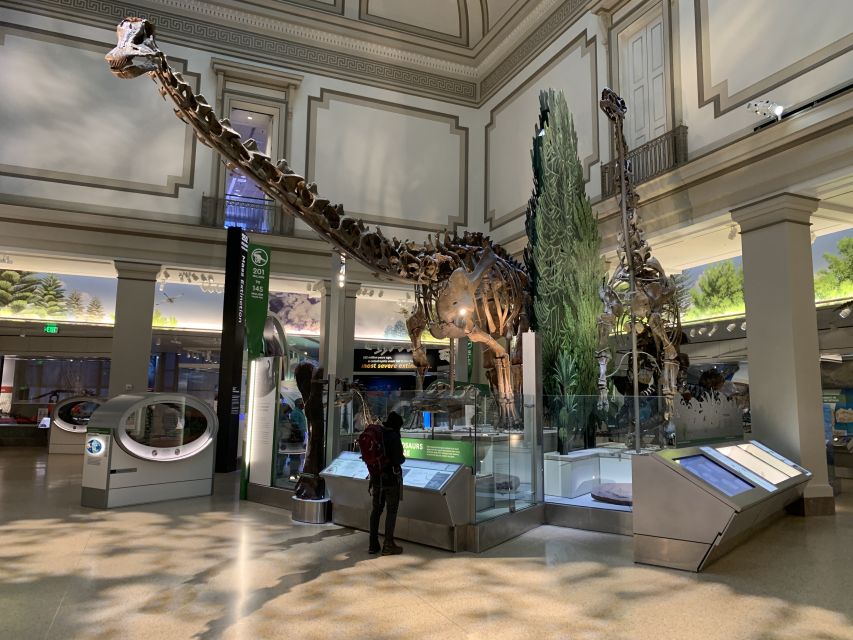
Dinosaur remains are among the safest bets for this tour. They give the visit an immediate sense of scale, and they are easy to appreciate even if you are not already interested in paleontology. Your guide can help you focus on the important remains instead of treating the dinosaur hall as one giant room of bones.
This is also where a guide can help families. Children often respond first to size and shape, then ask questions that take the visit in unexpected directions. One guide, Nur, was praised for keeping a grandson interested, asking children what they wanted to see next, and encouraging them to take part rather than simply listen.
That style is worth seeking. A two-hour museum route works better when you are invited to look, answer, and ask questions. It works less well if the guide speaks continuously while the group hurries from case to case. The supplied feedback includes both kinds of experience: several people found their guides lively and engaging, while one person felt the tour moved too quickly and was sometimes hard to hear.
You should therefore think of the dinosaur section as a starting point, not the entire reason to book. The tour is strongest when the guide uses the major sights to explain broader ideas about animals, time, extinction, and evidence.
Gemstones, mummies, and the pleasure of odd objects
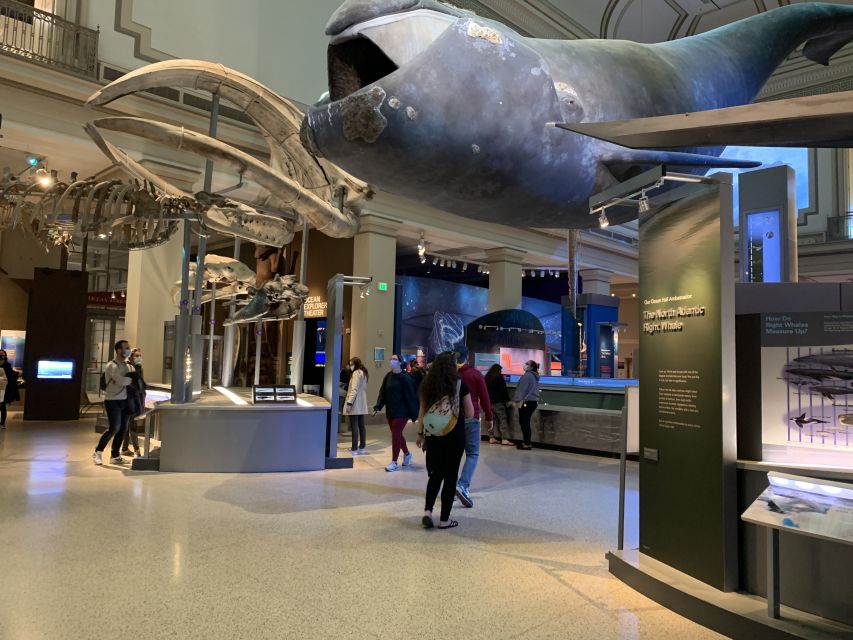
The gemstone displays offer a change of mood. After bones and fossils, you get color, shine, and unusual mineral forms. A guide can point out the pieces that deserve your attention, especially when the room presents many glittering objects at once.
The tour also includes ancient mummies, which bring human stories into a visit otherwise dominated by animals, rocks, and fossils. These displays can be fascinating, but they also benefit from careful explanation. A good guide can help you understand what you are seeing without reducing the person represented to a spectacle.
Human artifacts and early tools widen the story further. The point is not just that an object is old. It is that tools reveal how people solved daily problems, adapted to their surroundings, and passed ideas along. The tour description specifically includes tools used by early humans, so expect this part to connect the natural world with human development.
I like this mix because it keeps the tour from becoming one long look at dinosaur skeletons. You move between the earth beneath you, the animals that once lived on it, and the people who learned to use its materials. That range is one of the museum’s great strengths.
More museum tours in Washington DC:
- National Mall Tour with 10 Stops & U.S. Capitol or Museum Entry
★ 4.5 · 331 reviews - Washington, DC: African American History Tour & Museum Entry
★ 4.9 · 312 reviews - Smithsonian Museums Walking Tour with Reserved Air & Space Entry
★ 5.0 · 297 reviews - Capitol Combo: U.S. Capitol + Library Congress or Capitol Museum
★ 4.5 · 294 reviews
Preserved plants, animals, and human artifacts
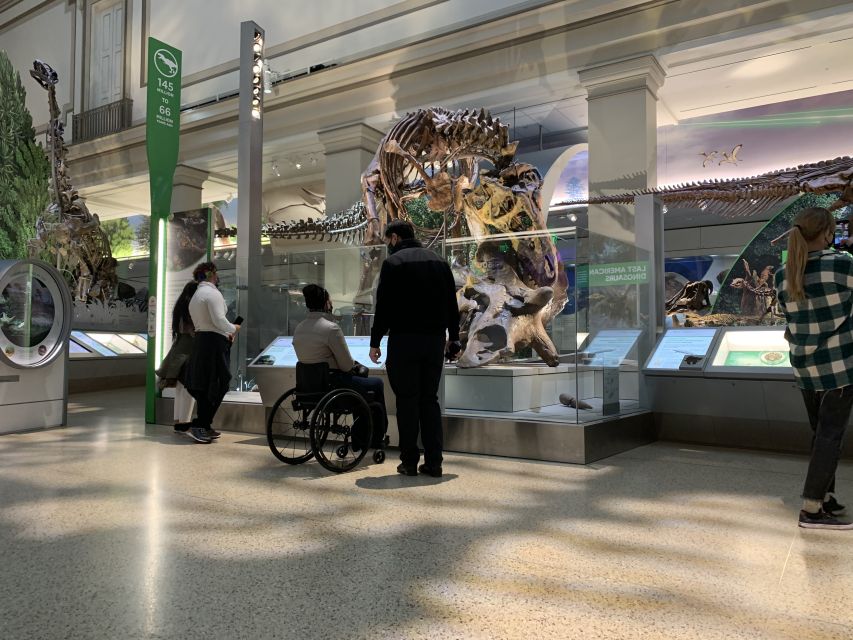
The collection reaches well beyond the headline displays. You may see preserved plants and animals, along with a large selection of human artifacts. These are the objects that can be easy to skip when you are hunting only for dinosaurs.
Take time to ask your guide which displays best explain how scientists study the natural world. The museum contains more than 145 million specimens, and no short visit can show the full collection. The guide’s job is to choose useful examples, not simply count rooms.
This is where personal questions improve the experience. If you are curious about animals, ask for more time with those displays. If you prefer human evolution, tools, and artifacts, say so. One family visit worked well because the guide asked the children what they wanted to see next. That kind of adjustment can make a standard highlights tour feel more personal.
Still, do not expect the tour to cover every interest in equal depth. Two hours creates a fixed limit. If a certain hall matters most to you, mention it early and ask whether it fits the route. The guide can then help you decide what to see during the tour and what to save for afterward.
Interactive exhibits and the cost of the tour
The museum entrance is free, but this guided experience costs $75 per person. That price deserves a clear look. You are not paying for admission. You are paying for two hours of direction, explanation, and time management.
For a first visit with limited time, that can be worthwhile. A guide may help you see more major displays in two hours than you would find by wandering alone. One especially strong account described covering more ground in two hours with a guide than the person expected to cover in a full day alone.
That does not mean the tour is automatically the best value for everyone. If you enjoy reading every label, moving at your own pace, or returning to favorite objects several times, the free museum visit may suit you better. You can enter without buying this tour and explore independently.
Interactive exhibits are another point to weigh. One person felt the guided route missed some of them and recommended staying after the tour to revisit the museum. I think that is the smartest plan if you can spare the time. Use the guide for orientation and major stories, then return to the hands-on areas at your own speed.
The price makes the most sense for:
- A first-time museum visit
- Families who want help keeping children interested
- People with only a few hours in Washington
- Anyone who dislikes navigating large museums alone
- Visitors who want context without reading every display panel
It makes less sense if the museum itself is your main Washington project and you have a full day to wander.
How the two-hour pace feels
The tour is designed to keep moving. You should expect a broad route with short stops at important exhibits, not long stretches spent in one room. That pace helps you see the museum’s range, but it also means you may leave with a list of places to revisit.
Some guides appear to bring a lively, personal style. Nur has been praised for enthusiasm, Washington connections, and stories that make the displays easier to remember. Other feedback points to a quieter or less interactive experience with Maurice, and one person found the guide difficult to hear at times.
This is not a reason to avoid the tour. It is a reason to set your expectations properly. A guided museum visit is partly about the person leading it. If you enjoy asking questions, do so early. If you need a slower pace or clearer explanations, say so politely.
Wear comfortable shoes. The activity lasts two hours and takes place inside a large museum. Food and drinks are not included, and hotel pickup and drop-off are not part of the experience, so plan those parts of your day separately.
The tour is wheelchair accessible. That is useful for visitors who want a guided route but need a more manageable way to move through a large public building.
Getting more from your visit after the guide leaves
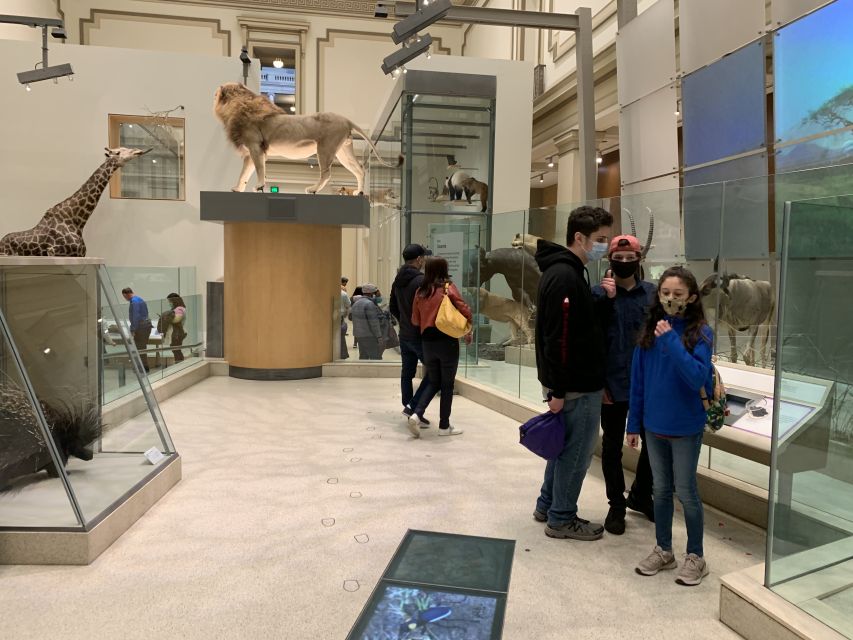
The best way to use this tour is as a first pass. During the two hours, note the exhibits that catch your attention, even if the guide gives them only a short stop. Afterward, return to the rooms you want to study more closely.
This approach solves the tour’s main weakness. You get the guide’s judgment when you need help choosing, then regain control when you want to linger. It also gives children a chance to revisit the interactive exhibits that may not fit neatly into the group route.
You might also ask the guide for a final recommendation before leaving. Since the guide has just seen what interested you most, that advice can help you spend the rest of your museum time well.
Remember that the Smithsonian National Museum of Natural History is not a checklist. The point of a short tour is not to say you saw everything. It is to leave with a clear sense of the museum and a few objects you genuinely remember.
Should you book this Smithsonian museum tour?
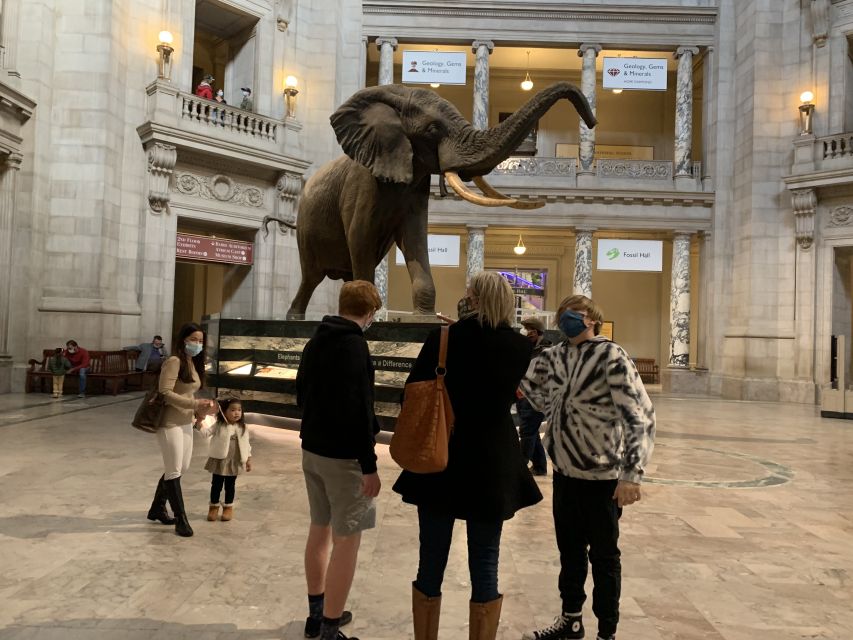
Book it if you want a focused introduction to the museum, especially on a tight Washington schedule. The combination of dinosaur remains, gemstones, mummies, early tools, plants, animals, and human artifacts gives you a strong first look at the collection.
The $75 cost is harder to justify if you have unlimited time or enjoy exploring museums on your own. Since entrance is free, you should be comfortable paying for guidance rather than admission. If you do book, plan to stay afterward so you can revisit interactive exhibits and rooms that receive only a quick stop.
Families, first-time visitors, and people who feel overwhelmed by giant museums are the best match. Ask questions, make your interests known, and arrive at the stairs outside with time to identify your guide. With the right expectations, this can turn a huge, free museum into a manageable and memorable two-hour visit.
FAQ
How much does the Smithsonian National Museum of Natural History guided tour cost?
The tour costs $75 per person. Entrance to the museum itself is free, so the price covers the two-hour guided experience rather than admission.
How long does the tour last?
The guided tour lasts two hours. Starting times vary, so check availability when booking.
What does the tour include?
The experience includes a two-hour guided tour and entrance to the museum.
Where do I meet the guide?
Meet your guide at the bottom of the stairs outside the Smithsonian National Museum of Natural History.
What language is the tour offered in?
The live tour guide speaks English.
Is the tour wheelchair accessible?
Yes, the activity is wheelchair accessible.
Can I cancel the tour for a refund?
You can cancel up to 24 hours in advance for a full refund. The activity also offers a reserve-now-and-pay-later option.
More History Tours in Washington DC
- DC Monuments & History Guided E-Cart Tour-Blankets
★ 4.5 · 450 reviews - Historic Georgetown: History, Gossip, & Architecture Walking Tour
★ 5.0 · 321 reviews - DC’s Original Food and History Walking Tour
★ 5.0 · 255 reviews - Smithsonian Museum of American History Exclusive Guided Tour
★ 5.0 · 245 reviews
Just added in Washington DC
- Washington DC: Express Morning or Night-Time Monuments Tour★ 3.2 · 3 reviews
- Washington, DC: Georgetown Architecture Walking Tour★ 5.0 · 8 reviews
- Washington D.C.: Georgetown Guided Secret Food Tour★ 3.9 · 7 reviews
- Washington DC: E-Bike Rental★ 4.3 · 7 reviews
- Washington DC: Christmas Eve Gourmet Brunch or Dinner Cruise★ 4.2 · 6 reviews
- Washington DC Day Tour – Private Tour★ 4.1 · 3 reviews
- Washington DC: After Dark Night-Time Sightseeing Tour★ 3.8 · 6 reviews
- Washington DC: Best of Capitol Hill Guided Bike Tour★ 3.2 · 7 reviews
Smithsonian Museum Tours, compared.

Guided African American History Tour with Reserved Museum Entry
Read our review →
Smithsonian Museum of Natural History – Exclusive Guided Tour
Read our review →
African American History Tour with Museum of African American History Ticket
Read our review →

Smithsonian Museums Walking Tour with Reserved Air & Space Entry
Read our review →
Smithsonian Museum of American History Exclusive Guided Tour
Read our review →
The Smithsonian National Air & Space Museum Exclusive Guided Tour
Read our review →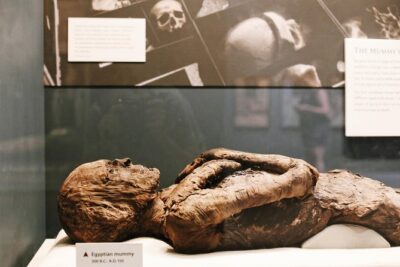
Smithsonian Museum of Natural History Small Group Tour: 8ppl Max
Read our review →Browse the lists this tour appears in