
Reviewed · GEORGETOWN WALKING TOURS
The History of Black Georgetown
Georgetown is often presented through grand houses, presidents, and polished brick streets. This tour shifts your attention to the people who were enslaved, worked, taught, worshiped, organized, and built community here. You’ll hear about the port’s role in the slave trade and visit places tied to Black life from the Civil War era onward.
I like the clear neighborhood walk, which connects Georgetown University, alley communities, churches, a historic park, and one of the city’s oldest cemeteries. I also like the halfway break at Thomas Sweet, since two hours of history is easier with a bathroom stop and a chance to buy a drink. The main consideration is pace: you need moderate physical fitness, and the tour requires good weather.
I’d choose this for someone who has already seen the usual Washington monuments and wants a more local story. Guide Katie has a personable style, good pacing, and plenty of extra facts. The small-group format, with no more than 20 people, gives the tour a more personal feel than a large bus outing.
Key points at a glance
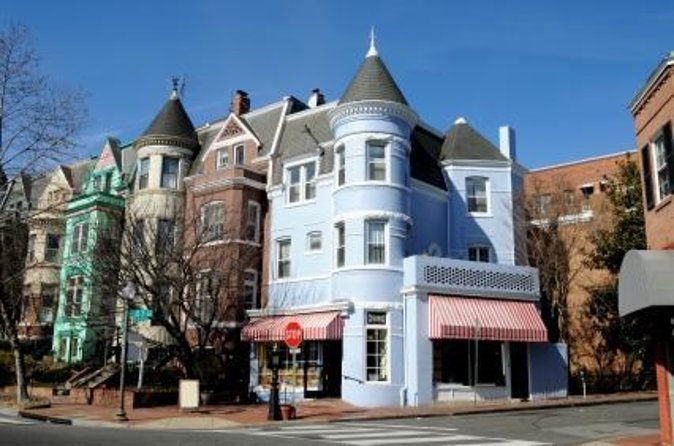
- Black Georgetown beyond the famous facades: Learn how enslaved and free Black residents shaped a neighborhood better known for presidents and university buildings.
- A walk through connected stories: The route links Healy Hall, alley communities, former holding pens, schools, churches, parks, and cemeteries.
- Guide Katie’s friendly pacing: Her approach leaves room for extra details and an open group atmosphere.
- A useful halfway break: Thomas Sweet provides a bathroom stop and a chance to purchase coffee or tea, which are not included.
- A small, personal format: The tour is private and limited to a maximum of 20 people.
- A strong value at $30: For two to two and a half hours of guided history, the price is reasonable, especially if you want context rather than a quick photo stop.
Why Black Georgetown changes the way you see the neighborhood
The best reason to take this walk is that it complicates Georgetown. You may arrive expecting elegant row houses and a university campus. Instead, the tour asks you to notice the people whose work and lives made the neighborhood possible, including enslaved residents, free Black citizens, teachers, church members, and organizers.
The subject is not treated as a single tragic chapter. The route moves from the slave trade and holding pens to education, worship, political gatherings, and burial grounds. That wider view matters. You get a sense of Black Georgetown as a living community, not just a place where difficult events happened.
The tour lasts about two hours to two and a half hours. That is enough time to explain each stop without turning the walk into a full-day commitment. You should still expect a steady outing through city streets, with several stops of around 10 minutes and a 15-minute break in the middle.
The tour begins at 3206 O Street Northwest and ends at Mount Zion and Female Union Band Society Cemeteries on Mill Road. Since the route has a different starting and ending point, plan your transportation around the finish, not just the meeting spot. Both the start and end are in Georgetown, and the area is near public transportation.
More Georgetown tours in Washington DC:
- Ghosts of Georgetown & The Exorcist Steps Walking Tour
★ 5.0 · 610 reviews - Georgetown Foodie Culinary Tour & Neighborhood Walk
★ 5.0 · 437 reviews - Gastronomic Georgetown Walking Food Tour
★ 4.5 · 373 reviews
Healy Hall and the history hidden in a university landmark
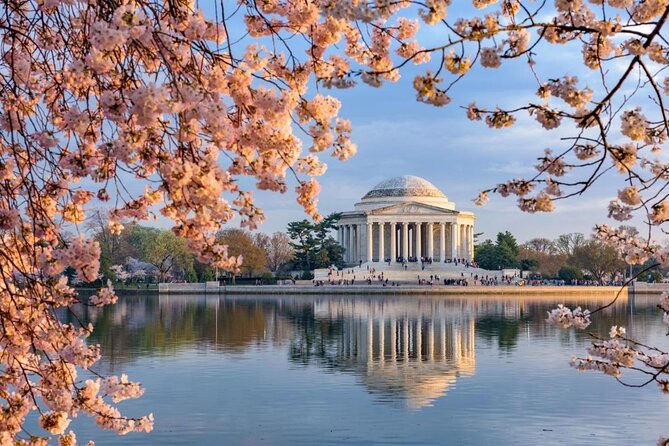
The first stop is Healy Hall, the Gothic-style building at Georgetown University. It was built at the direction of Patrick Healy and named for him. Healy was Georgetown University’s only Black president, a fact that gives a familiar campus landmark a very different meaning.
This is a smart opening stop because it sets up one of the tour’s main themes: Black history is often present in plain sight, but the important context is easy to miss. You may have seen photographs of Healy Hall or passed it on another Georgetown visit. Here, the building becomes an entry point into questions about race, education, leadership, and the way institutions remember their past.
You do not pay an admission fee at this stop. The value comes from the guide’s explanation, not from entering a special attraction. That is typical of the tour. You are paying for interpretation and connections between places, rather than for a collection of tickets.
Pomander Walk and Georgetown’s alley communities
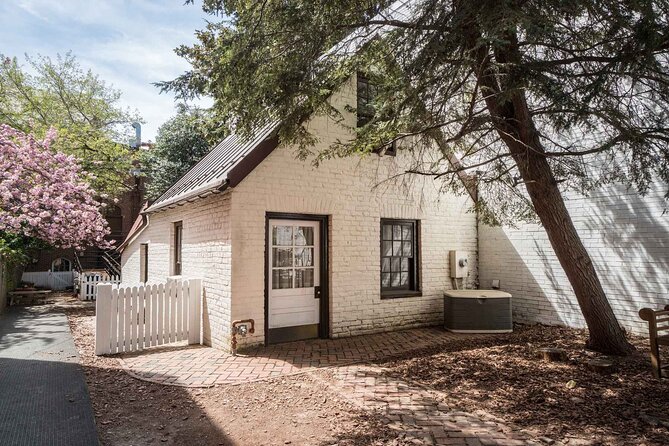
At Pomander Walk Northwest, the tour turns toward a less formal side of Georgetown. The area used to be known as Bell’s Court and was owned by Alexander Graham Bell. Bell’s Court was characteristic of the alley communities found throughout Washington, where close-knit Black neighborhoods developed.
This stop helps you picture the city at a human scale. Georgetown’s main streets can feel grand and carefully preserved. Alley communities tell another story, one centered on neighbors, daily work, family connections, and shared space.
The point is not simply that an alley once had a different name. It is that the physical shape of a neighborhood can reveal social history. A modest court could support a strong community, even when the city’s most famous addresses received far more attention.
The tour spends about 10 minutes here. That is enough for a focused explanation, though visitors who want a long architectural study of the area may find the stop brief. The strength is the connection to the broader pattern of Black alley communities across Washington.
Thomas Sweet gives the walk a practical pause
About halfway through, you stop at Thomas Sweet for around 15 minutes. This is a refreshment and bathroom break, not a prepaid tasting or formal food experience. Coffee and tea are not included, so bring money if you want something from the shop.
I appreciate this pause because it makes the tour easier to manage. A two-hour history walk can feel long if every minute is spent standing and listening. A short break gives you a chance to reset, use the bathroom, and decide how much you want to buy.
It also gives the group a natural point to ask questions or continue a conversation with the guide. Do not count on a full meal here. The stop is designed for a quick refreshment, not lunch.
More history tours in Washington DC:
- Guided African American History Tour with Reserved Museum Entry
★ 4.5 · 1,180 reviews - DC Monuments & History Guided E-Cart Tour-Blankets
★ 4.5 · 450 reviews - Smithsonian Museum of Natural History – Exclusive Guided Tour
★ 5.0 · 446 reviews - African American History Tour with Museum of African American History Ticket
★ 4.5 · 390 reviews
Former holding pens at 3146 O Street
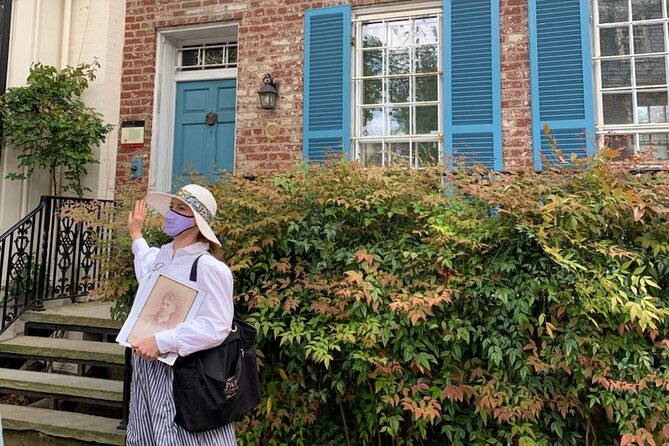
The stop at 3146 O Street is among the tour’s most difficult and important. The row houses here once served as holding pens for enslaved people. Those pens were later torn down by an Irish entrepreneur who had spent their childhood as an indentured servant in the West Indies.
This location puts the slave trade directly into the Georgetown street grid. You are not hearing about slavery as something that happened only in distant plantations or faraway ports. The tour explains how Georgetown itself was connected to the buying, selling, and confinement of enslaved people.
The story also brings in the complicated relationships created by systems of labor and exploitation. The later owner’s background as an indentured servant does not erase the harm done to enslaved people, but it adds another layer to the history of labor in the Atlantic world.
Expect about 10 minutes at this stop. The houses are part of the neighborhood rather than a preserved museum site, so the guide’s explanation is essential. This is a place where you should listen closely and allow the setting to do some of the work.
Emma Brown and the fight for Black education
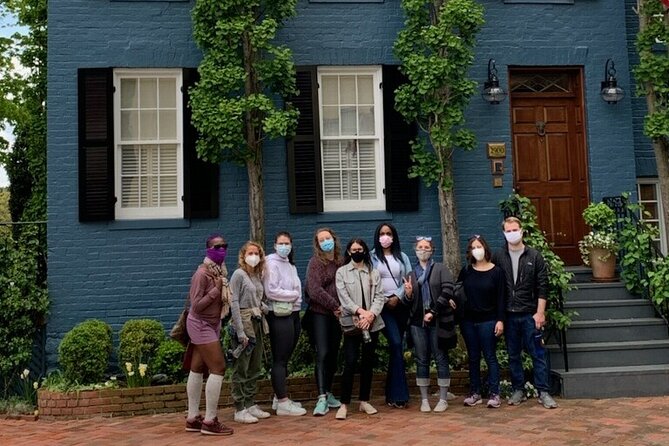
The route also passes the house of Emma Brown, one of the first Black teachers in Washington, DC, to reach the level of principal. Even though the supplied schedule does not give a precise street address or a separate stop time, this story fits neatly with the tour’s larger movement from oppression to institution-building.
Emma Brown’s place in the walk matters because education was one of the clearest ways Black residents built opportunity and leadership. A teacher who became a principal was not simply holding a job. She was helping shape the future of a community.
This is also a reminder to watch for small residential details during the walk. The tour does not depend only on monuments or grand public buildings. A private house can carry an important story if you know whose life was connected to it.
Mount Zion United Methodist Church at 1332 29th Street
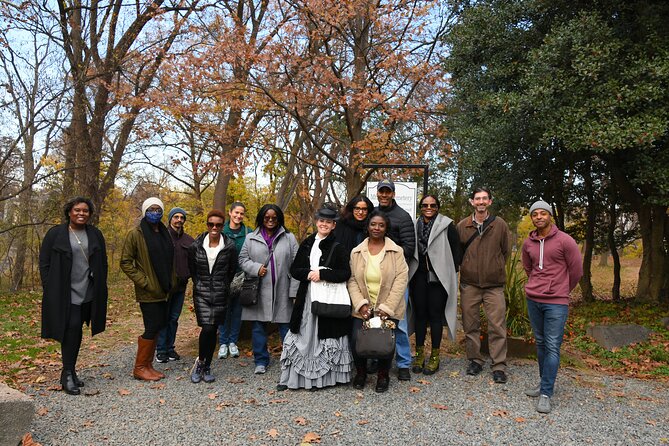
At 1332 29th Street, you visit Mount Zion United Methodist Church, one of Georgetown’s oldest Black congregations. Churches often tell a neighborhood’s story better than official civic buildings do. They preserve worship, mutual support, leadership, and community memory in one place.
You’ll learn how this congregation fits into Black Georgetown. The stop also helps explain why churches mattered beyond Sunday services. A historic Black church could serve as a gathering place for residents and a base for community life.
The tour allows about 10 minutes here. That makes this a focused historical stop rather than an extended church visit. Admission is free, and you should expect the guide to keep the emphasis on the congregation’s role in Georgetown’s Black community.
Rose Park and the public life of Black Georgetown
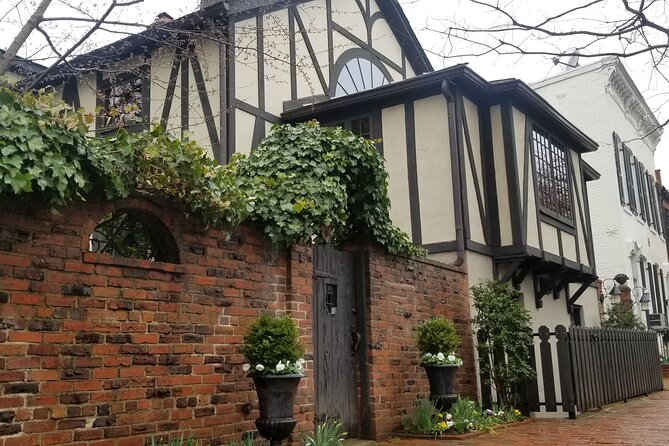
Rose Park was the site of political rallies and community gatherings for Georgetown’s Black residents. This stop broadens the story again. Black Georgetown was not only made up of homes, churches, and workplaces. It also had public spaces where people organized, spoke, and gathered together.
A park can look ordinary if you do not know what took place there. With the right context, it becomes evidence of civic life. The tour uses Rose Park to show how public space helped the community make its presence visible.
You will spend about 10 minutes here. The value is historical rather than scenic or recreational. If you are hoping for a long park stop, you may find it short. If you want to understand how local political and community activity took shape, the stop earns its place on the route.
Mount Zion Cemetery brings the walk to a quiet close
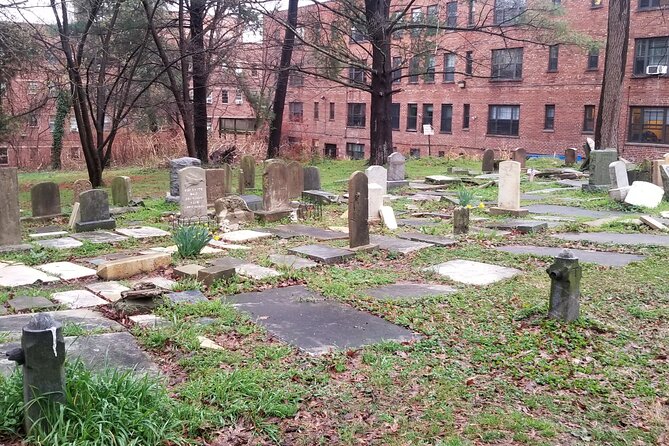
The final stop is Mount Zion and Female Union Band Society Cemeteries at 2501 Mill Road Northwest. This is Georgetown’s oldest cemetery and contains the remains of enslaved and free Black citizens.
Ending here gives the tour a reflective finish. After hearing about labor, confinement, education, worship, and political gatherings, you reach a place connected to the people themselves. The cemetery makes the history personal without requiring a grand memorial or elaborate exhibit.
You should pay attention to the distinction between enslaved and free Black residents. Their lives were shaped by different legal conditions, yet both groups belonged to the community’s story. The cemetery brings those histories together in one place.
The tour ends here, so you should be ready to leave from the cemetery area rather than return to O Street. The stop is free, and the guide supplies the historical information. A moderate level of physical fitness is recommended for the overall walk.
What $30 buys you
At $30 per person, this is a fair price for a guided experience lasting more than two hours. You are not paying for admission to a museum, food, or transportation. You are paying for a guide who can connect ordinary streets and buildings to stories you would probably miss on your own.
The value is strongest if you enjoy history and prefer a focused neighborhood walk. A self-guided route could take you past Healy Hall, Rose Park, churches, and cemetery gates, but it would not automatically explain the holding pens, Bell’s Court, Emma Brown, or the political use of Rose Park.
The private format adds value for people who want a more personal outing. The maximum group size is 20, which is small enough for questions and a closer connection with the guide, though it is not an intimate one-on-one tour. The published experience identifies Katie as a guide, and her pacing and extra details are a strong part of the appeal.
Bring money for coffee or tea at Thomas Sweet, since refreshments are not included. You should also wear comfortable shoes and be prepared to walk and stand for much of the experience. Those are simple preparations, but they will make the two-hour-plus format more pleasant.
Who will enjoy this Georgetown walk most
I would recommend this tour to first-time visitors who want more than Washington’s national monuments. It also suits people who already know Georgetown but have mainly seen the shopping streets, waterfront, university, and historic houses.
It is especially useful for history lovers interested in slavery, Black education, churches, local politics, and community life. The stories are connected across several themes, so you get more than a list of old buildings.
Local residents may find value here, too. A five-star rating from 27 reviews and a 100 percent recommendation rate point to a consistent experience, and one local participant still learned new information. That is a good sign for anyone who thinks they already know Georgetown.
I would be more cautious about booking if you dislike walking, standing, or serious historical subjects. The tour has a refreshment break, but it is not a casual coffee outing. It also requires good weather, and poor conditions can lead to a new date or a full refund.
Booking details worth knowing
You receive confirmation when you book. The tour is offered in English and uses a mobile ticket. Service animals are allowed, and the route is near public transportation.
Free cancellation is available up to 24 hours before the start time. If you cancel later, the amount paid is not refunded, and changes made within that period are not accepted. The local time in Washington, DC controls the cutoff.
The experience requires a minimum number of participants. If that number is not reached, or if poor weather forces a cancellation, you can receive a different date or experience, or a full refund.
Should you book The History of Black Georgetown?
Book it if you want to understand Georgetown as a lived-in Black community, not only as a historic district of famous names and attractive buildings. The combination of the slave trade, holding pens, alley communities, education, churches, public gatherings, and cemeteries gives the walk a useful range.
The best reason to choose it is the guide-led context. The sites themselves are mostly free and public, but the connections between them are what make the experience worthwhile. Guide Katie’s friendly pacing and extra facts also suit visitors who like to ask questions and learn beyond a fixed script.
Skip it if you want a light sightseeing stroll or a tour centered on grand architecture. Choose it if you are ready for serious history, a moderate walk, and a more honest look at Georgetown’s past. At $30, the experience offers solid value for anyone who wants the neighborhood’s overlooked stories placed front and center.
FAQ
Where does The History of Black Georgetown tour begin?
The tour begins at 3206 O Street Northwest, Washington, DC 20007.
Where does the tour end?
It ends at Mount Zion and Female Union Band Society Cemeteries, 2501 Mill Road Northwest, Washington, DC 20007.
How long does the tour last?
The experience lasts approximately two hours to two and a half hours.
How much does the tour cost?
The price is $30 per person.
What language is the tour offered in?
The tour is offered in English.
Is this a private tour?
Yes. The experience is described as a private tour, and the maximum group size is 20 people.
Is coffee or tea included?
No. Coffee and tea are not included. The tour does stop at Thomas Sweet for a possible refreshment and bathroom break.
What level of fitness is needed?
A moderate level of physical fitness is recommended.
Are service animals allowed?
Yes. Service animals are allowed.
Can I cancel for a full refund?
Yes, if you cancel at least 24 hours before the experience start time. Cancellations made less than 24 hours before the start are not refunded.
What happens if bad weather cancels the tour?
If poor weather causes a cancellation, you are offered a different date or a full refund.
Just added in Washington DC
- Washington DC: Express Morning or Night-Time Monuments Tour★ 3.2 · 3 reviews
- Washington, DC: Georgetown Architecture Walking Tour★ 5.0 · 8 reviews
- Washington D.C.: Georgetown Guided Secret Food Tour★ 3.9 · 7 reviews
- Washington DC: E-Bike Rental★ 4.3 · 7 reviews
- Washington DC: Christmas Eve Gourmet Brunch or Dinner Cruise★ 4.2 · 6 reviews
- Washington DC Day Tour – Private Tour★ 4.1 · 3 reviews
- Washington DC: After Dark Night-Time Sightseeing Tour★ 3.8 · 6 reviews
- Washington DC: Best of Capitol Hill Guided Bike Tour★ 3.2 · 7 reviews
Georgetown Walking Tours, compared.
Ghosts of Georgetown & The Exorcist Steps Walking Tour
Read our review →
Georgetown Foodie Culinary Tour & Neighborhood Walk
Read our review →
Historic Georgetown: History, Gossip, & Architecture Walking Tour
Read our review →
Tastes of Georgetown Food & History Small Group Walking Tour
Read our review →
The Escape Game DC: 60-Minute Adventure in Georgetown
Read our review →

Browse the lists this tour appears in