
Reviewed · WALKING TOURS
Beyond the Closet Walking Tour
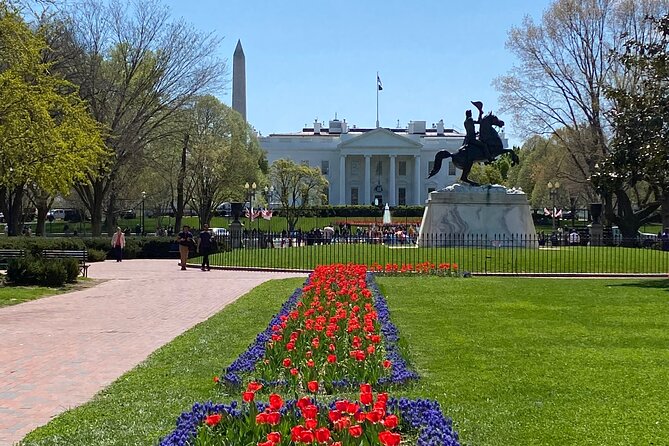
Washington, DC looks different when you know where its LGBTQ history happened. This 2.5-hour walk connects Lafayette Square, the White House, and Dupont Circle with stories of protest, government service, community organizing, and the long fight for recognition.
I like the clear route and the small maximum group of 15. I also like the focus on places you can easily pass without knowing what happened there, including the site of an early LGBTQ rights protest and Washington’s first gay bookstore. Guide Zach brings a strong grasp of queer history and handles questions well.
The main drawback is that this is a guided walk only. There is no bottled water or food, and the tour starts at 9:30 am, so you need to arrive prepared and ready to walk for more than two hours.
Key points to know before you book
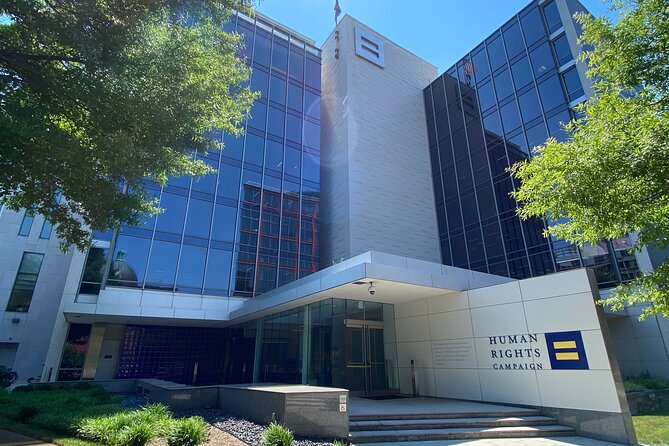
- Three central DC locations: The route links Lafayette Square, the White House, and Dupont Circle.
- A focused LGBTQ history lesson: Topics cover persecution in the 1940s through the 1960s, early protest, government service, bookstores, and Capital Pride.
- Guide Zach: Zach leads the walk and can answer questions about queer history in Washington.
- Small group size: The tour accepts a maximum of 15 people, which gives the walk a more personal feel than a large bus or crowd-based tour.
- Simple transportation plan: Meet at Farragut Square and finish near Dupont Circle North Metro Station.
- Bring your own supplies: Water and snacks are not provided, so pack what you need before setting out.
What this Washington LGBTQ history walk is really about
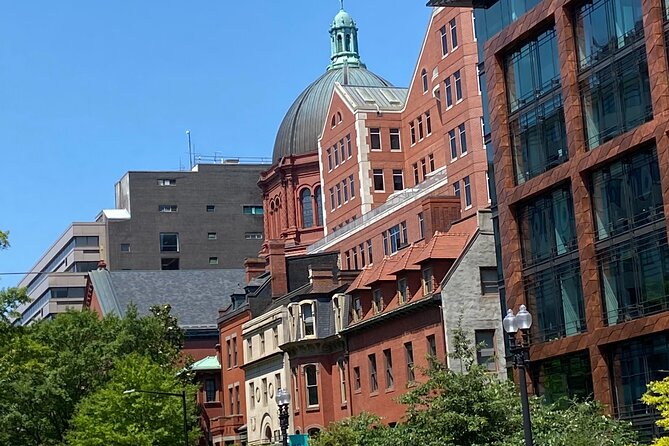
Beyond the Closet is less about checking off famous buildings and more about reading familiar streets in a new way. Washington’s political landmarks often get presented through presidents, wars, and government decisions. This walk adds the people whose lives and struggles were left out of many standard city tours.
You start at Farragut Square at 9:30 am and finish at Dupont Circle North Metro Station. The experience lasts about two and a half hours, with the three named stops forming its main structure. Since the tour covers public spaces, you are seeing the city as it is rather than entering a museum or private collection.
That matters because the subject is tied to ordinary streets and civic places. Lafayette Square is not only a park opposite the White House. Dupont Circle is not only a pleasant neighborhood stop. Each location becomes a place where policy, public protest, community life, and personal courage meet.
The tour is offered in English and is limited to 15 people. That is a useful size for a history walk. You can hear the guide without the strained listening that often comes with a large group, and there is a better chance to ask a question without turning the whole tour into a formal lecture.
More walking tours in Washington DC:
- Arlington National Cemetery Walking Tour & Changing of the Guards
★ 5.0 · 2,566 reviews - Ghosts of Georgetown & The Exorcist Steps Walking Tour
★ 5.0 · 610 reviews - Georgetown Foodie Culinary Tour & Neighborhood Walk
★ 5.0 · 437 reviews
Lafayette Square and the story of early persecution
The first stop is Lafayette Square, with about 15 minutes set aside for the presentation. Here, you learn about LGBTQ persecution during the 1940s through the 1960s and see the site of what is described as the first protest in the United States for LGBTQ rights.
This opening gives the tour its serious foundation. It places LGBTQ history within the public life of Washington, not off in a separate corner of the city. Lafayette Square is close to the center of national power, so the setting helps connect private lives with public policy and protest.
The subject can be difficult. Persecution is not a light introduction to the city, but it is an important one. A good walking tour should not reduce LGBTQ history to celebrations and parades alone. Understanding the dangers people faced in earlier decades gives later organizing and public visibility more meaning.
The short time at this stop also keeps the walk moving. You will not spend an hour on one date or speech. Instead, the guide uses the location as a starting point, giving you context before the group moves toward the White House.
If you want a full chronology of US LGBTQ history, this tour is not designed to replace a book or museum visit. Its strength is the connection between a physical place and a concise story. You are standing where protest took place, then continuing through the city where the story developed.
The White House and a breakthrough in public service
The second stop is the White House, with roughly 10 minutes devoted to the story of the first openly gay woman to serve in a presidential administration. Admission to the White House is not included, and this is an exterior stop within the walking route.
That distinction is important. You are not touring the building’s interior, and you should book this experience for the history presented outside, not for access to the White House itself.
Still, the location has real weight. The White House represents the federal government, presidential power, and the long process of changing who can serve openly in national public life. Learning about an openly gay woman in a presidential administration gives the tour a specific human focus rather than leaving the subject at the level of broad political change.
This stop also shows why a city walk can be useful. You can look at the White House and think you already know what it means. A guide can add a story that is not obvious from the fence, gates, or familiar photographs.
The stop is brief, so expect a compact explanation rather than a long talk. If you have questions, this is a good place to ask them, especially if you want to connect the story of government service with the earlier discussion of protest and persecution.
Dupont Circle and the bookstore that helped build community
The final major stop is Dupont Circle, where you learn about Washington’s first gay bookstore and its influence on the local community. The discussion also includes the bookstore’s role in starting the Capital Pride parade.
This is one of the most distinctive parts of the walk. A bookstore may sound modest beside the White House, but community spaces often matter because they give people a place to find books, information, friendship, and one another. The stop helps explain how a movement becomes more than a response to discrimination.
The Capital Pride connection adds another layer. Parades are public celebrations, but they depend on years of organizing, local networks, and people willing to claim public space. By linking the bookstore to Capital Pride, the tour shows how a neighborhood institution helped shape a wider civic event.
Dupont Circle is also the natural place to finish because it lets the story move from fear and protest toward community building and visibility. That does not erase the difficult material from Lafayette Square. It gives the walk a sense of development.
The stated end point is Dupont Circle North Metro Station, at 1908 to 1998 Q Street NW. You can use that as a practical handoff to the rest of your day, though the tour itself ends with the walking experience rather than an included meal or attraction.
A completely different kind of day in Washington DC:
- DC Memorials Night Tour: Glass-Roof Convertible Upgrade Option
★ 4.5 · 6,933 reviews - National Mall Monuments Night Tour with 10+ Stops, Entry Tickets
★ 4.5 · 4,863 reviews - Washington DC Monuments by Moonlight Tour by Trolley
★ 4.5 · 3,956 reviews - Hop-on Hop-off Sightseeing Tour by Open-top Bus with 18 Stops
★ 3.5 · 3,848 reviews
Why guide Zach makes a difference
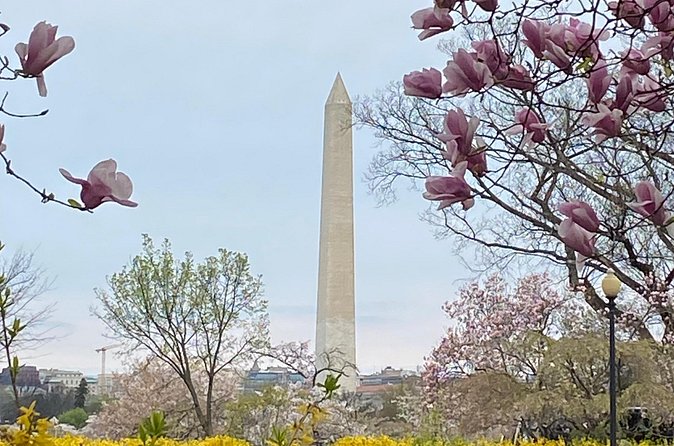
Zach is the guide named in the available tour information, and the strongest praise centers on his ability to explain queer history in DC and answer questions. That is exactly what you want from a subject-specific walking tour.
A guide who simply recites dates can make any city walk feel flat. Zach’s role appears more useful than that. The tour asks you to connect landmarks you may see every day with people and events you may never have learned about. Clear explanations and room for questions are especially valuable when the subject includes changing language, social attitudes, and political pressure.
The experience also suits local residents. You do not need to be seeing Washington for the first time to get something from it. In fact, knowing the streets already may make the tour more effective because you can attach new information to places you recognize.
If you are visiting from out of town, the walk gives you a focused way to understand one part of the city. If you live nearby, it can change how you read the area on your next trip through downtown or Dupont Circle.
The maximum group size of 15 supports this format. It is not a private tour, but it is small enough to feel more conversational than a large sightseeing group. You should still expect the guide to shape the pace and content for the whole group.
Price and value at $30
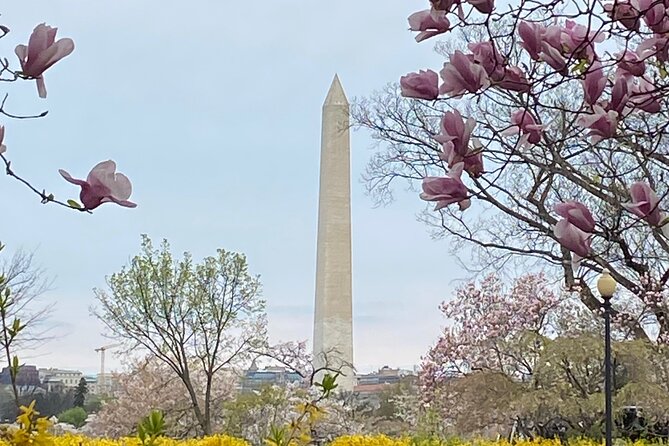
At $30 per person, the tour is priced as an affordable specialty walk rather than a full-day attraction. You are paying for about two and a half hours of guided interpretation, not admission to buildings, food, transportation, or a show.
I think the value depends on your interest in the subject. If you want a broad overview of every major Washington landmark, you will find this too narrow. If you want to understand how LGBTQ people shaped the city and how public spaces became sites of protest and community, the price is reasonable.
The tour also saves you the work of finding and connecting the stories yourself. Lafayette Square, the White House, and Dupont Circle are easy to locate, but the significance of the places is not always visible. The guide supplies the thread between them.
Because admission tickets are not part of the experience, you should not compare the $30 price with a ticketed museum tour. Compare it with the cost of a focused local history lesson led on foot, with a small group and an English-speaking guide.
There are a few costs you need to cover yourself. Bring water, since none is provided. No snacks are supplied either, so pack food if you need it for health reasons or to keep your energy up during the walk.
Timing, meeting point, and how to prepare
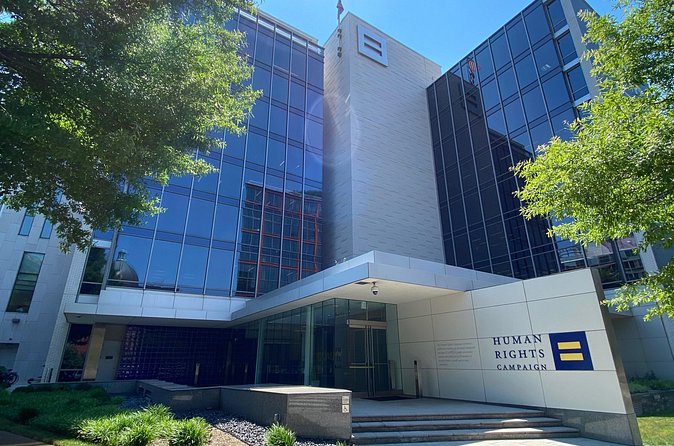
The meeting point is Farragut Square at 912 17th Street NW. The start time is 9:30 am, so plan to arrive early enough to find the exact meeting area without rushing.
The end point is Dupont Circle North Metro Station. This gives the tour a clear beginning and end, which is useful if you plan to continue sightseeing afterward. The route is near public transportation, and the final station location makes it easier to move on from Dupont Circle.
Wear shoes suitable for a 2.5-hour urban walk. The information provided does not specify the exact walking distance or terrain, so I would prepare for ordinary city walking rather than assume the route is short.
Bring water before you meet the group. Since the tour is outdoors and food is not provided, carry any snack you may need. Service animals are allowed, and most people can participate, according to the stated conditions.
The tour is available in English only. If you prefer a quiet, self-guided visit, this may feel more structured than you want. If you value explanation and questions, the scheduled format is a benefit.
Who will get the most from this experience
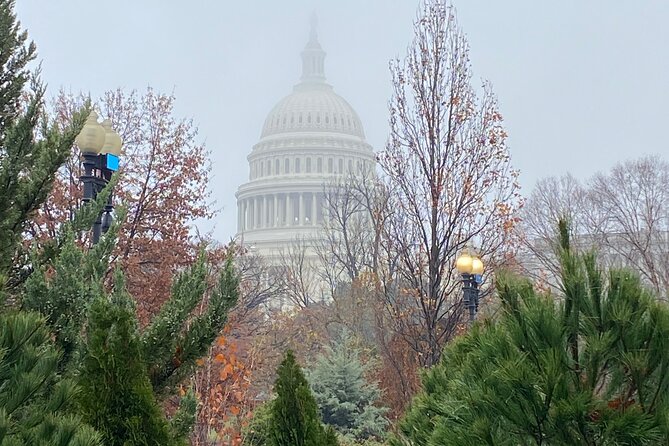
This walk is a good fit for anyone who wants LGBTQ history tied to actual Washington locations. It works especially well for visitors who have already seen the major monuments and want a different way to understand the city.
It is also well suited to local residents. The stories at Lafayette Square and Dupont Circle can add meaning to places that otherwise become part of the daily background. The bookstore and Capital Pride connection may be particularly useful if you want to understand how local community life developed.
The tour should appeal to history-minded people, members of the LGBTQ community, allies, students, and anyone curious about how public protest and community institutions affect a city. The subject is focused, so you should not book it expecting a general tour of Washington politics or architecture.
Families and younger participants may be able to take part, since most people can participate, but the provided details do not give a recommended minimum age or a child-specific format. Use your judgment based on the subject matter and the length of the walk.
Booking, cancellation, and practical limits
Confirmation is provided at booking. Free cancellation is available if you cancel at least 24 hours before the local start time. Cancellations made less than 24 hours before the start, along with changes during that period, are not accepted for a refund.
That policy gives you some flexibility, but watch the cutoff closely. A change of plans on the morning of the tour is too late for a refund.
The activity is run by Beyond The Landmarks. It is a guided walking tour only, with a maximum of 15 people. There is no included water, snack, or White House admission.
Should you book Beyond the Closet?
Book it if you want a focused, place-based look at queer history in Washington, DC, especially if stories of protest, public service, bookstores, and Capital Pride interest you. The $30 price is fair for a two-and-a-half-hour specialty walk, and the small group gives the guide room to answer questions.
Skip it if you want to enter the White House, visit indoor attractions, or cover a wide range of Washington history in one outing. You will need to bring your own water and food, and the 9:30 am start requires a little planning.
For the right audience, this is a thoughtful way to see central Washington through people and events that standard sightseeing often leaves out.
FAQ
How much does Beyond the Closet Walking Tour cost?
The tour costs $30 per person.
How long does the tour last?
The walking tour lasts approximately 2 hours and 30 minutes.
Where does the tour begin?
The tour begins at Farragut Square, 912 17th Street NW, Washington, DC 20006.
Where does the tour end?
The tour ends at Dupont Circle North Metro Station, 1908 to 1998 Q Street NW, Washington, DC 20036.
What time does the tour start?
The scheduled start time is 9:30 am.
What places are covered on the tour?
The tour includes Lafayette Square, the White House, and Dupont Circle. Topics include LGBTQ persecution from the 1940s through the 1960s, the first US LGBTQ rights protest, the first openly gay woman to serve in a presidential administration, Washington’s first gay bookstore, and the start of the Capital Pride parade.
Is White House admission included?
No. The experience is a guided walking tour only, and White House admission is not included.
Are water and snacks provided?
No. You should bring your own water and any food you may need. No snacks are provided.
How many people can join the tour?
The maximum group size is 15 people.
Is the tour offered in English?
Yes. The tour is offered in English.
Are service animals allowed?
Yes. Service animals are allowed.
Can I cancel for a full refund?
Yes, if you cancel at least 24 hours before the experience start time. Cancellations made less than 24 hours before the start time are not refundable.
Just added in Washington DC
- Washington DC: Highlights Guided Walking Tour★ 4.6 · 6 reviews
- Washington DC: Private Custom Tour with a Local Guide★ 4.9 · 4 reviews
- Washington, DC: Thanksgiving Day Lunch Cruise★ 4.7 · 3 reviews
- Washington D.C.: The Ghosts of Washington D.C. Walking Tour★ 4.6 · 14 reviews
- Thomas Jefferson Monticello Small Group Day Tour from DC★ 4.8 · 16 reviews
- Washington: Mt. Vernon, Alexandria & Arlington Cemetery Tour★ 3.4 · 8 reviews
- Washington, DC: The Good Liar: Brian Curry★ 5.0 · 3 reviews
- From NYC: Washington DC 1 Day Tour and Free Time for Museums★ 4.4 · 5 reviews
Walking Tours, compared.

Arlington National Cemetery Walking Tour & Changing of the Guards
Read our review →
Ghosts of Georgetown & The Exorcist Steps Walking Tour
Read our review →
Georgetown Foodie Culinary Tour & Neighborhood Walk
Read our review →

Historic Georgetown: History, Gossip, & Architecture Walking Tour
Read our review →
Smithsonian Museums Walking Tour with Reserved Air & Space Entry
Read our review →
Browse the lists this tour appears in